How Batman’s byline left Bill Finger out
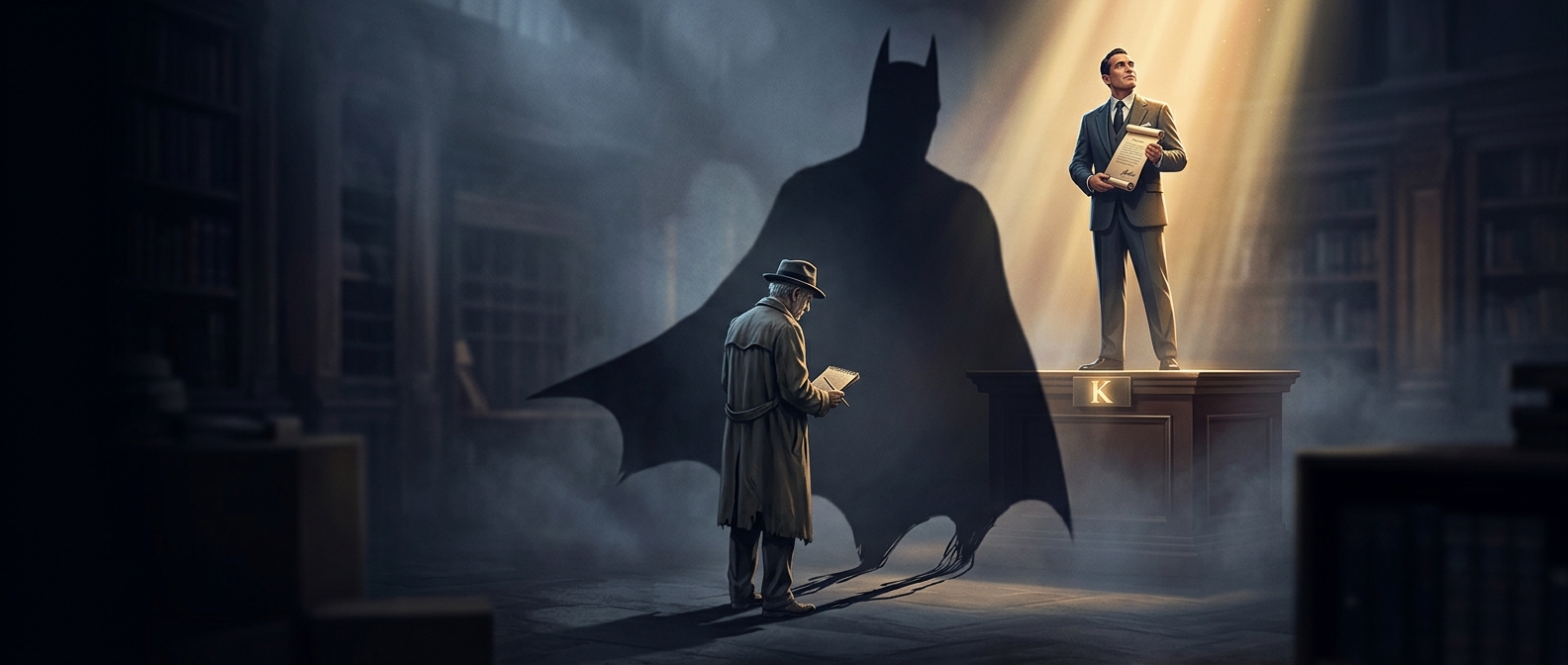
When Batman was developed for DC in the late 1930s, the work was divided between Bob Kane, who brought the idea to the publisher, and writer Bill Finger, who helped shape the character and his world. Comics, however, did not always credit everyone who contributed to a character. Kane’s agreement with DC gave him the prominent creator credit, and the books carried his name while Finger’s role remained largely invisible to readers.
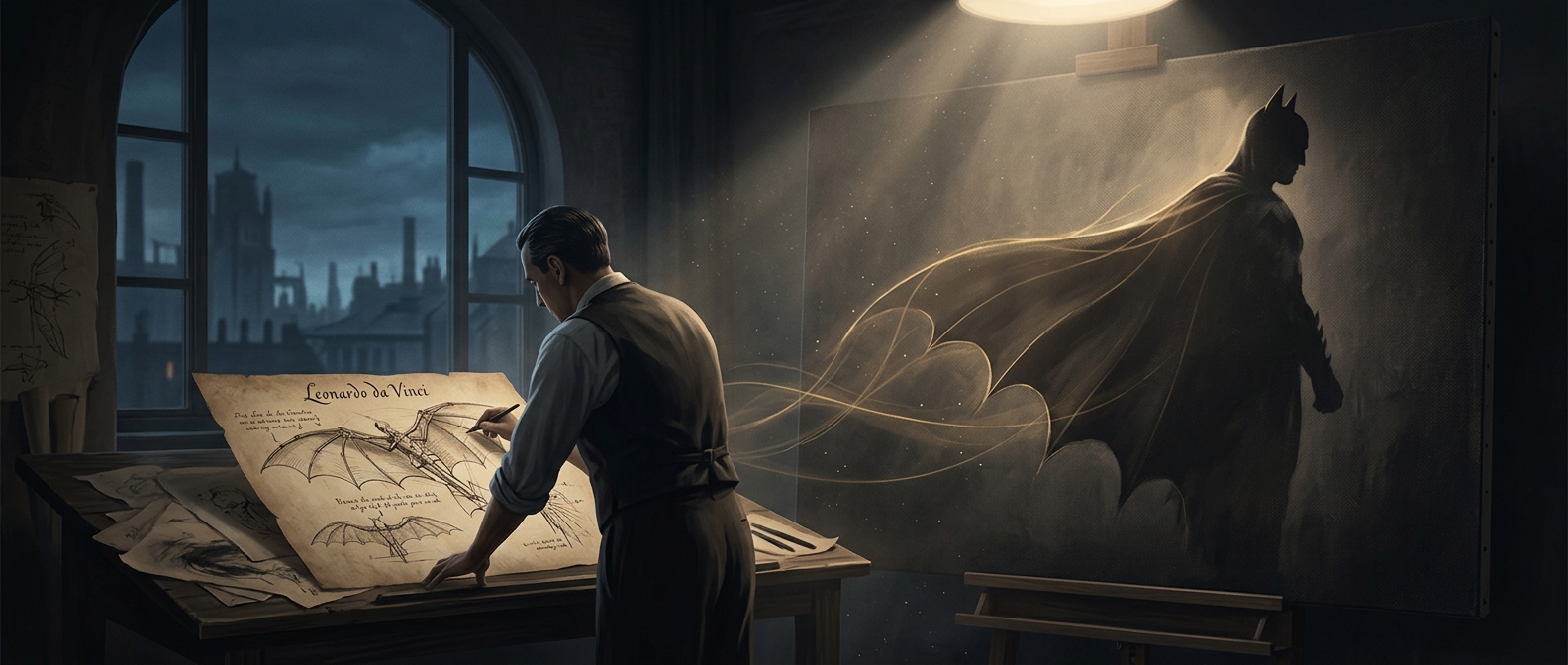
That gap mattered because the details that made Batman recognizable were not all settled in the initial pitch. Finger helped move the design away from a brightly colored, winged figure toward a darker, more mysterious one, and contributed ideas to the character’s setting and supporting cast. The familiar Batman was built through that collaboration, even though the printed credit suggested a simpler story.
Why the credit changed so late
For years, Finger’s contribution was known among comics historians and fans, but that knowledge did not change the official byline. Public recognition and formal credit are different things: a creator can be discussed as a collaborator without the publisher changing how a work is attributed.
DC eventually announced that future Batman credits would read “Batman created by Bob Kane with Bill Finger,” with the change taking effect in 2015. The wording acknowledged both Kane’s role and Finger’s contribution, rather than replacing one creator with another. It also showed how a line of credit can shape cultural memory: generations could recognize Batman’s design and stories without knowing who had helped build them. The revised byline made that collaboration visible on the very character whose identity it had helped define.