When the Screen Became a Target
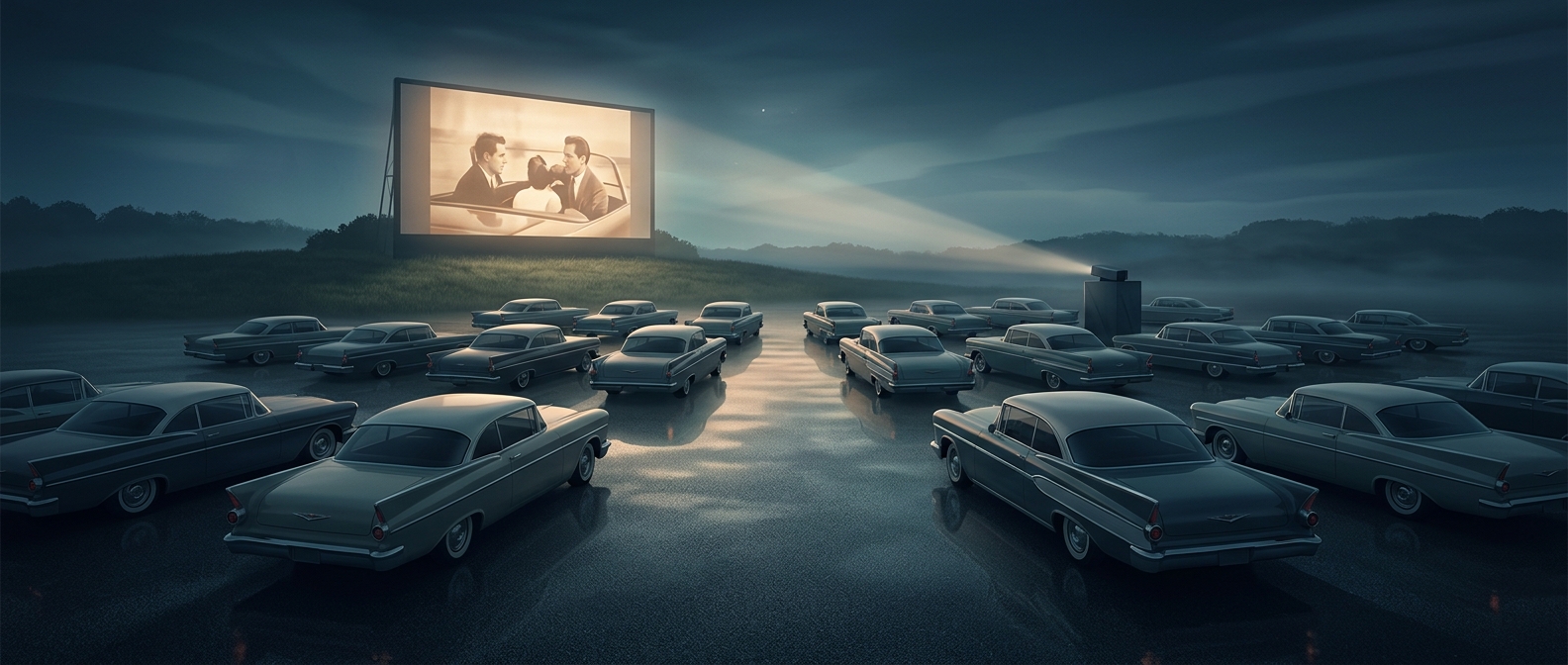
Early moviegoing could be a noisy, participatory affair rather than the quiet, standardized experience audiences expect today. A screening depended on a projector running smoothly and a film strip passing through it; if the machinery faltered, the picture could abruptly freeze or disappear. A restless crowd had no remote control or easy way to complain privately. Its reaction could become part of the show—and, in extreme cases, land on the screen itself.
A Blunt Form of Audience Feedback
Throwing food turned displeasure into a visible act. A dull film might draw heckling; a technical breakdown could provoke frustration at the people and equipment responsible for keeping the images moving. Vegetables were messy, immediate projectiles, and rotten tomatoes became the memorable shorthand for a crowd rejecting a performance. The gesture belonged to a broader tradition of audiences openly expressing approval or disapproval at public entertainments.
That does not mean every early screening was a food fight. The striking point is that movie audiences could treat a film as a live event whose success depended on both the images and the room around them. When the picture failed, the audience did not merely lose the story for a moment: it made the failure impossible to ignore.