The car became the theater seat
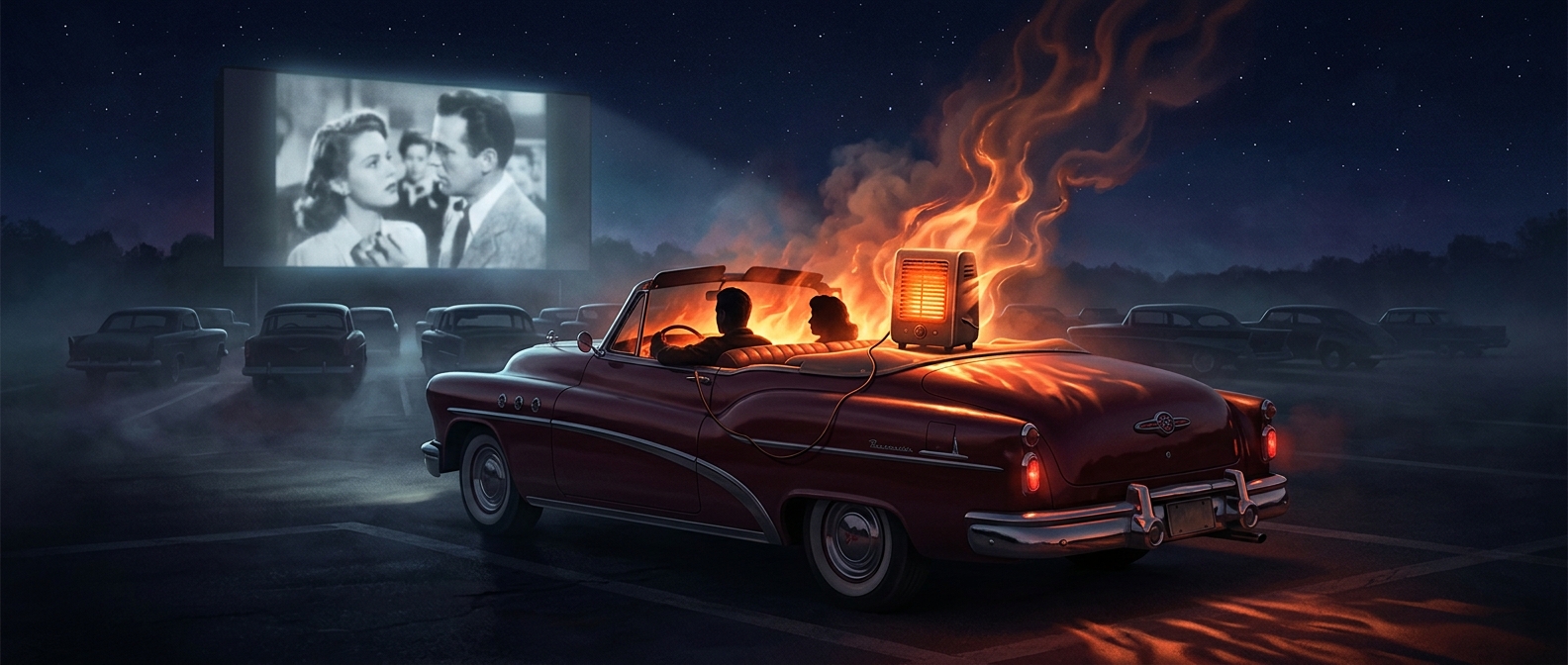
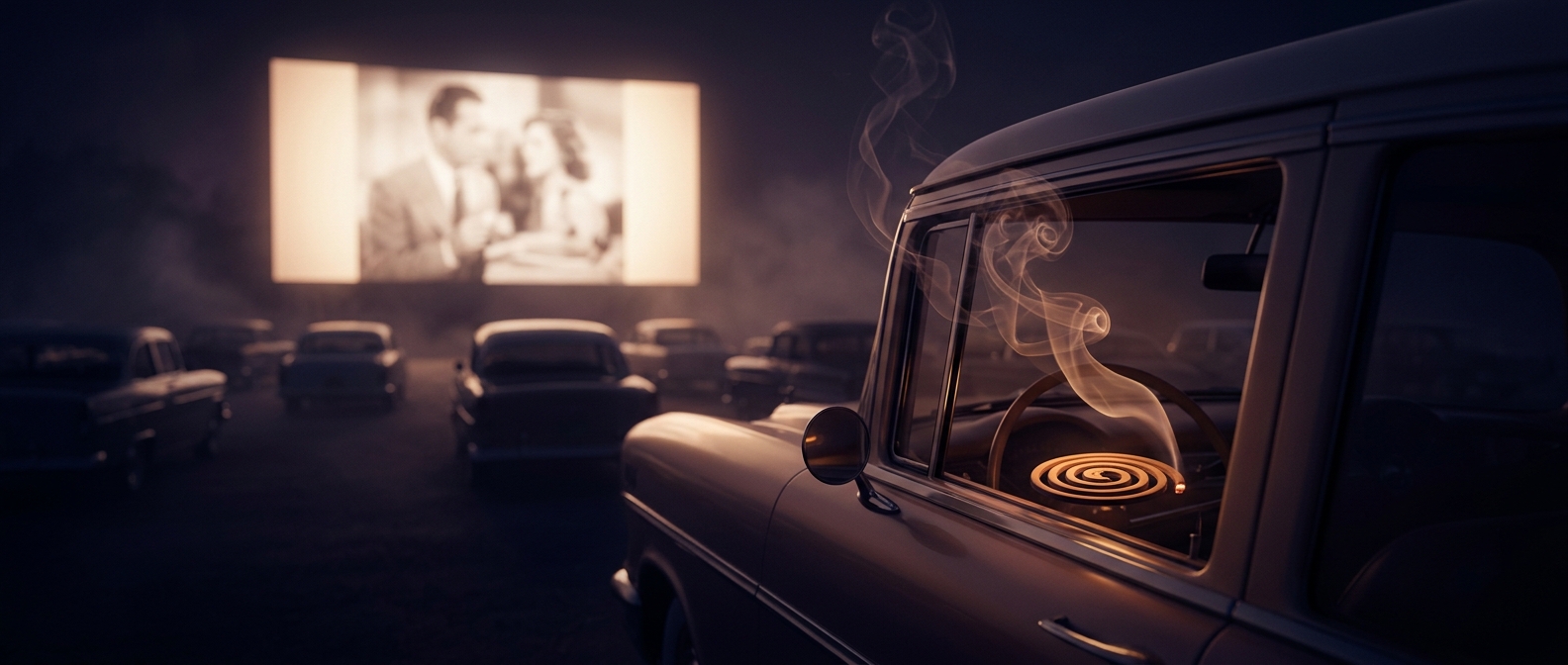
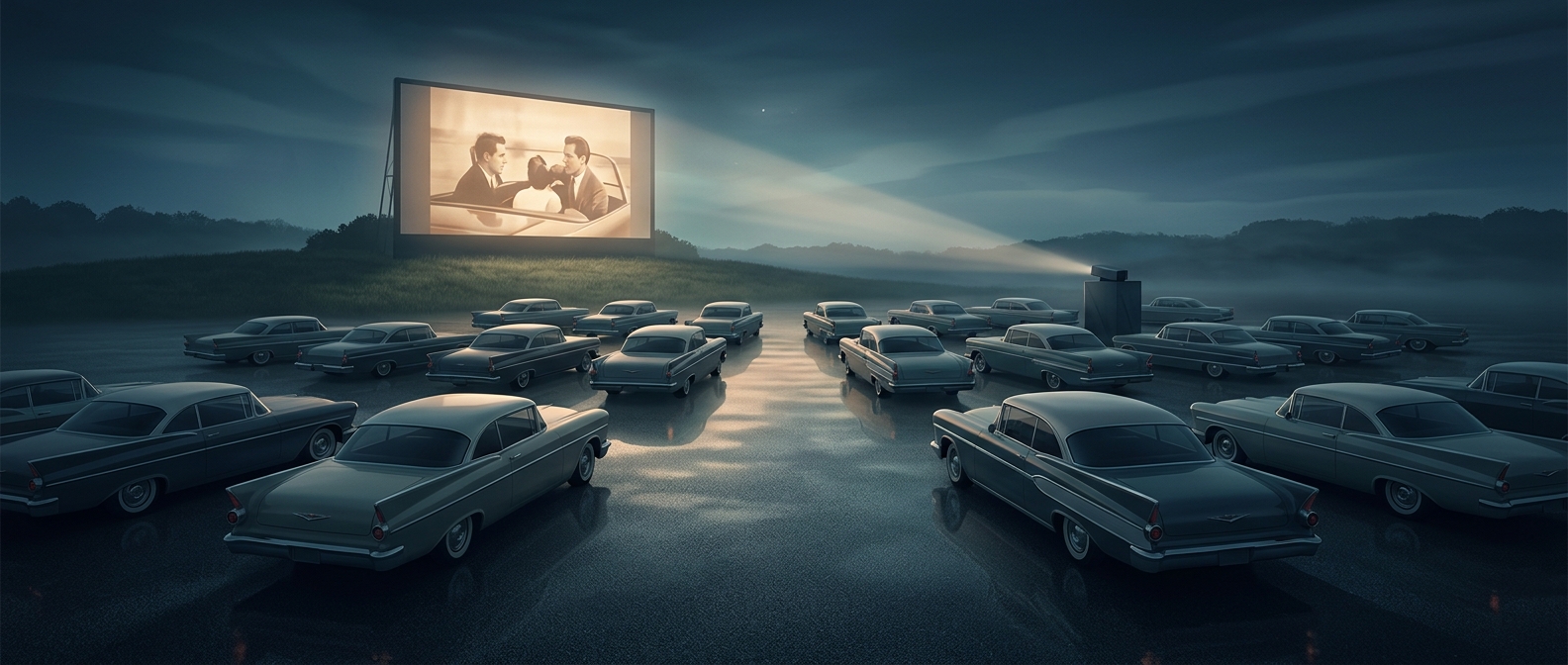
A drive-in was built around a simple convenience: the audience arrived in the same vehicle that carried its seats. After parking, moviegoers could tune in through a speaker mounted beside the space or, at some theaters, through the car radio. The screen and projection booth stood at the front of a large outdoor lot, so the main design challenge was giving each parked car a clear view and usable sound.
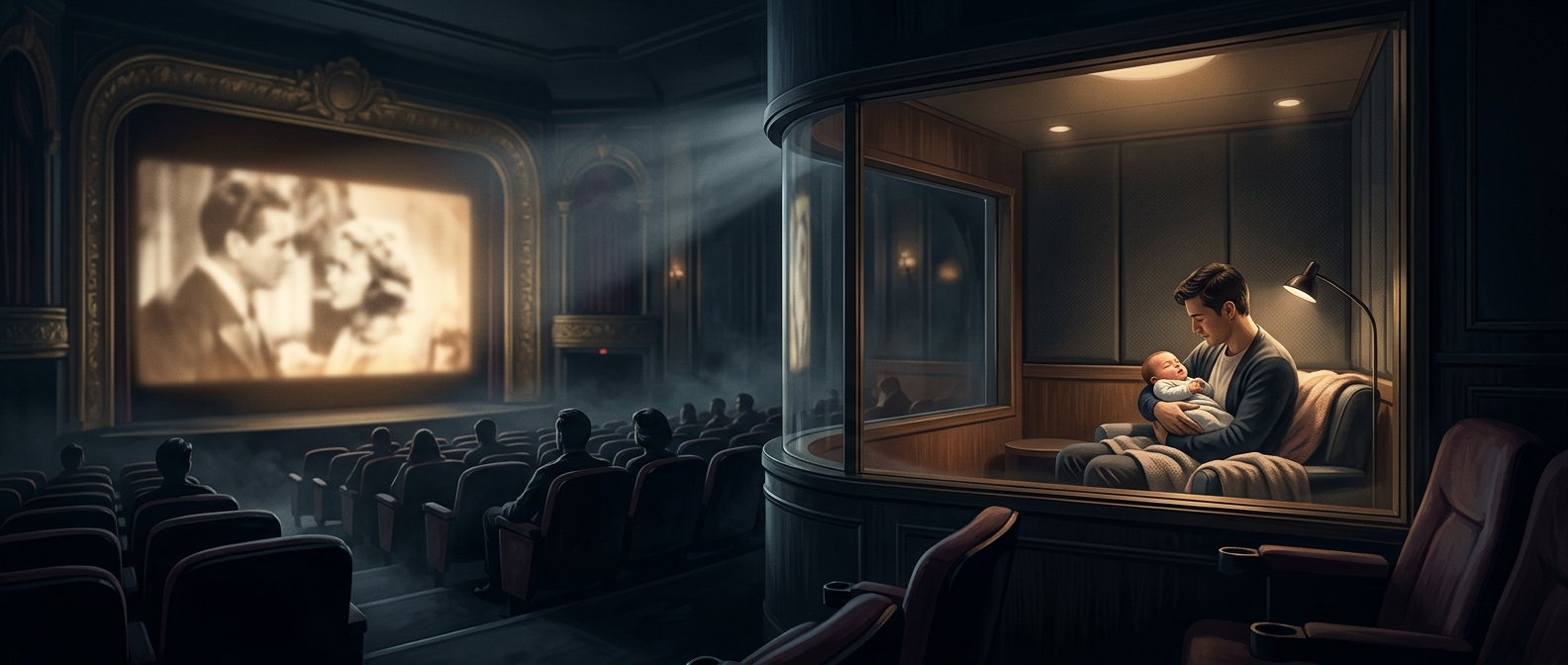
That arrangement changed the social rules of moviegoing. Parents could bring small children without worrying as much about keeping them still in a quiet auditorium; a child could nap in the back seat, and families could talk more freely than they could in a conventional theater. The car offered privacy, but it also made the experience dependent on weather, darkness, and a working vehicle.
One ticket, several viewers
Charging by the car made an extra passenger cheaper to admit than an extra seat in a regular theater. For a large family, that could turn a night out into a practical choice. The same pricing also gave operators a reason to welcome groups, while concessions offered another way to earn money once the car was parked.
The business required substantial land for parking and a screen, and screenings could begin only after sunset. Those limits shaped where drive-ins worked best and made them less flexible than indoor theaters. Their appeal came from a tradeoff: less control over the setting, more room for family life. At a drive-in, the movie was only part of the outing; the car itself made the outing possible.