Movie Theaters Tried to Borrow the Manners of the Opera
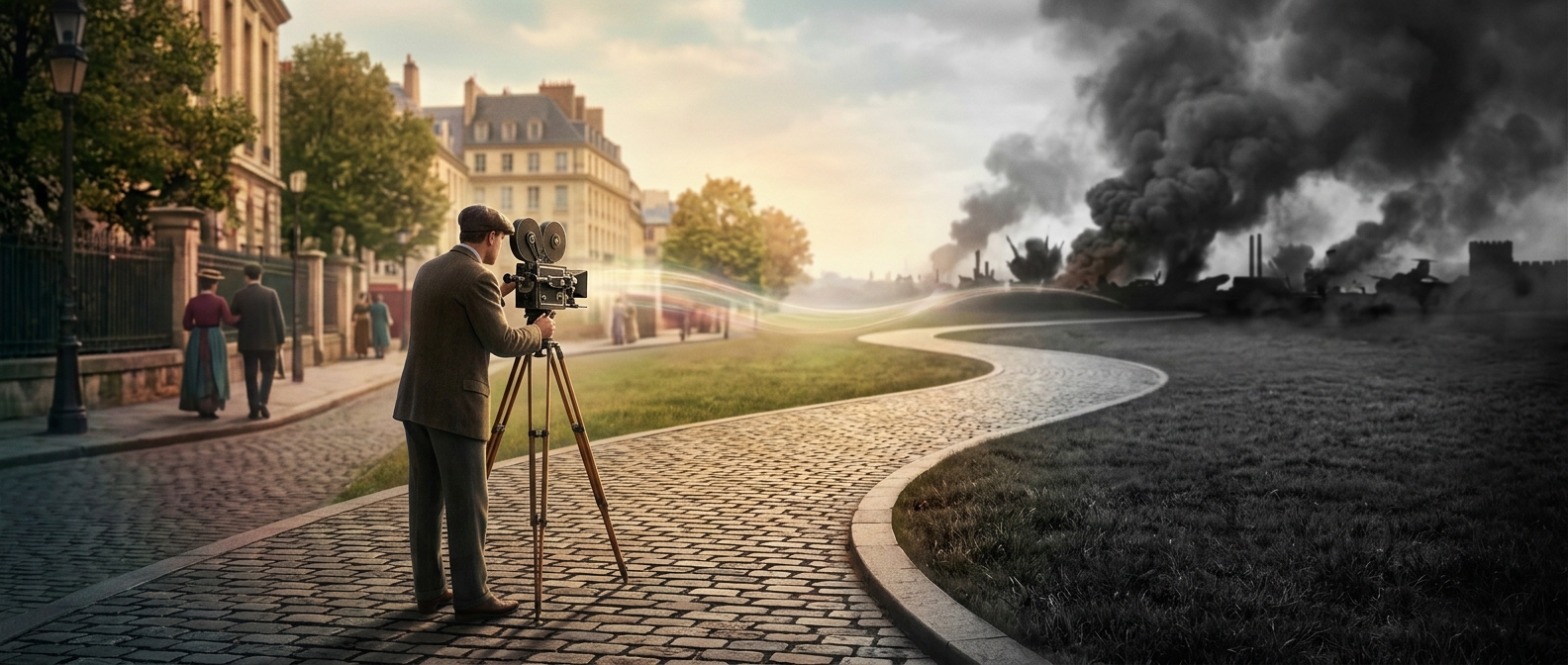
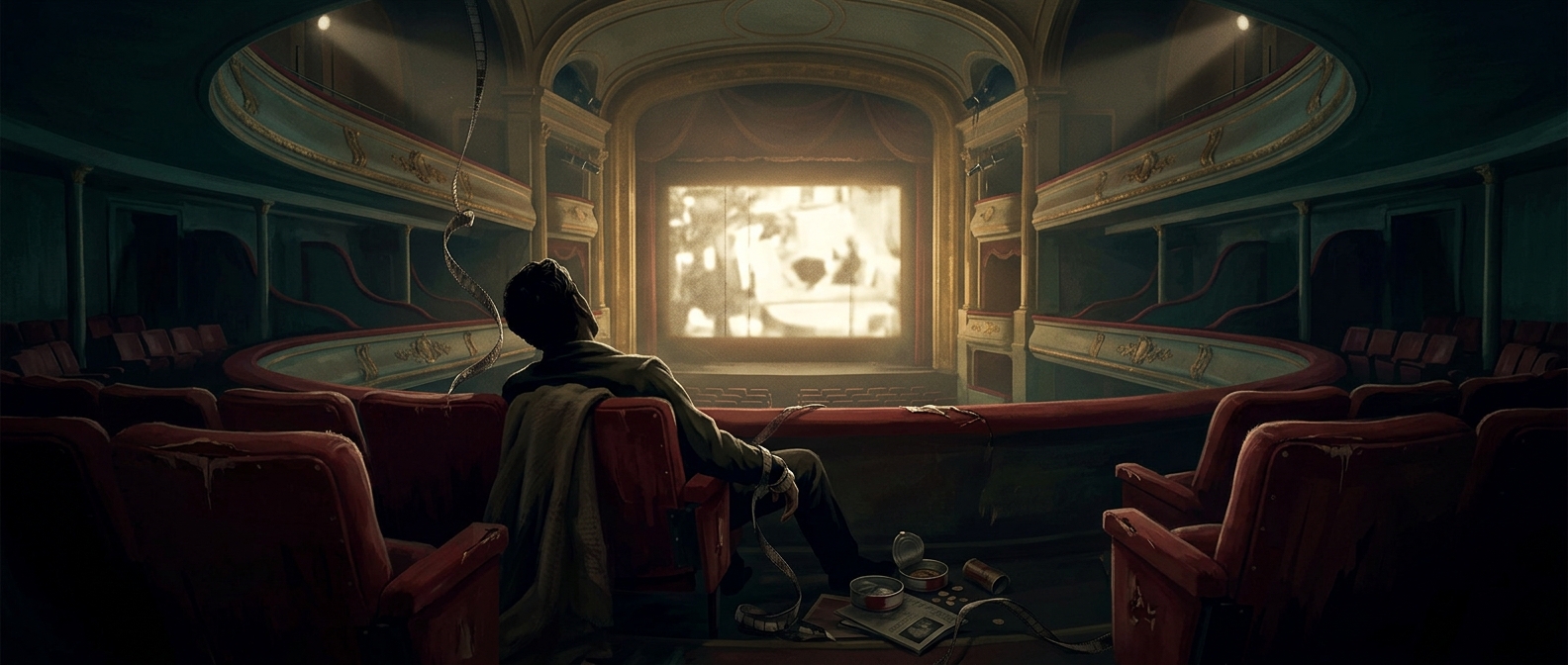
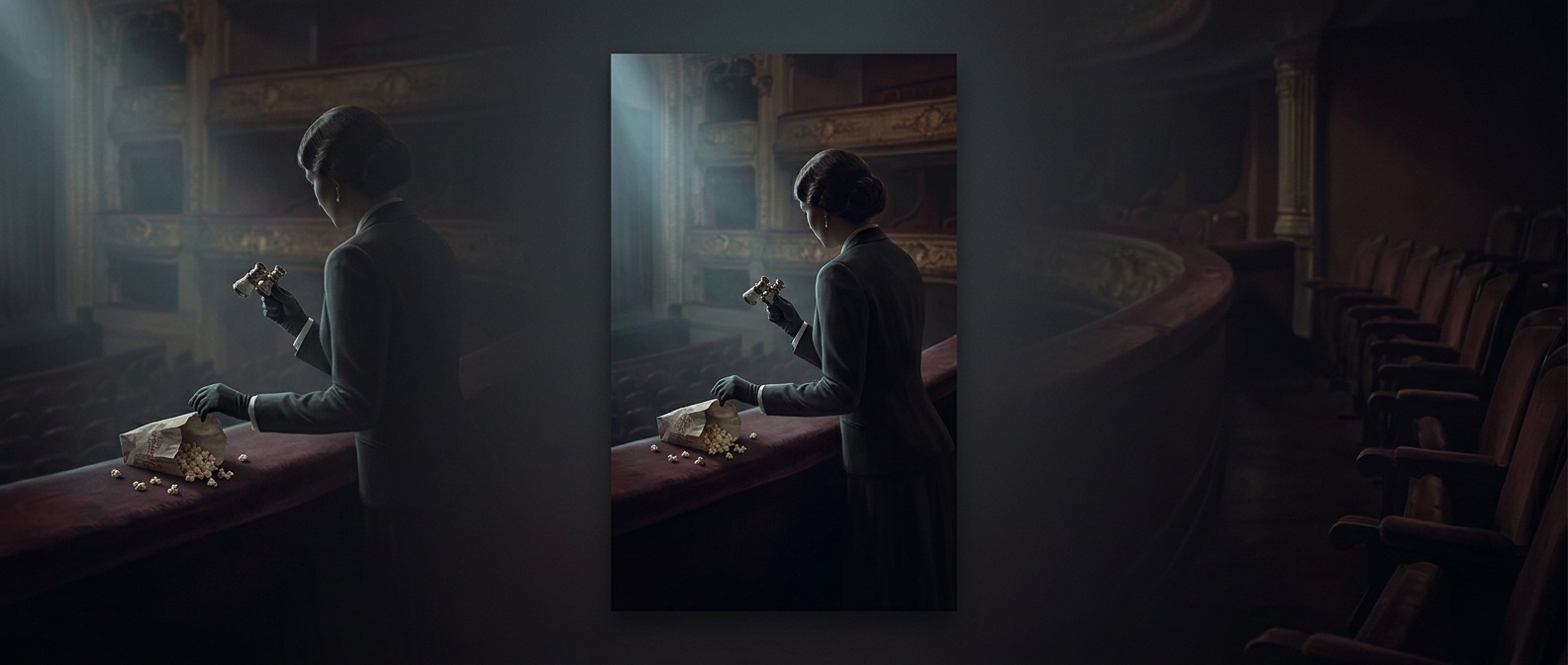
In the early years of moviegoing, many theaters wanted audiences to see a night at the pictures as a refined outing, not a casual stop for a bite. Their grand interiors and formal atmosphere echoed opera houses and other prestigious venues. Eating clashed with that image: rustling wrappers, crunching, and dropped crumbs could disturb a quiet room and make an elegant auditorium feel like a street or lunch counter.
The objection was about more than noise. Food could leave grease and debris on seats and floors, creating extra work in spaces designed to look immaculate. A theater that asked patrons to sit still and watch in silence had reason to treat snacks as bad manners.
The Snack Bar Changed the Theater’s Priorities
That attitude weakened as theaters found a practical reason to welcome food. Popcorn was inexpensive to make and could be sold at a substantial markup, giving exhibitors a way to earn money beyond ticket sales. During the economic hardship of the 1930s, that extra revenue became especially appealing. Theaters that had once kept food out began embracing concessions instead.
The change also reshaped the moviegoing ritual. Rather than treating eating as a distraction from the film, theaters made snacks part of the event—and built a business around selling them. What had seemed vulgar in a room aspiring to high culture became ordinary once it helped keep the theater financially afloat.