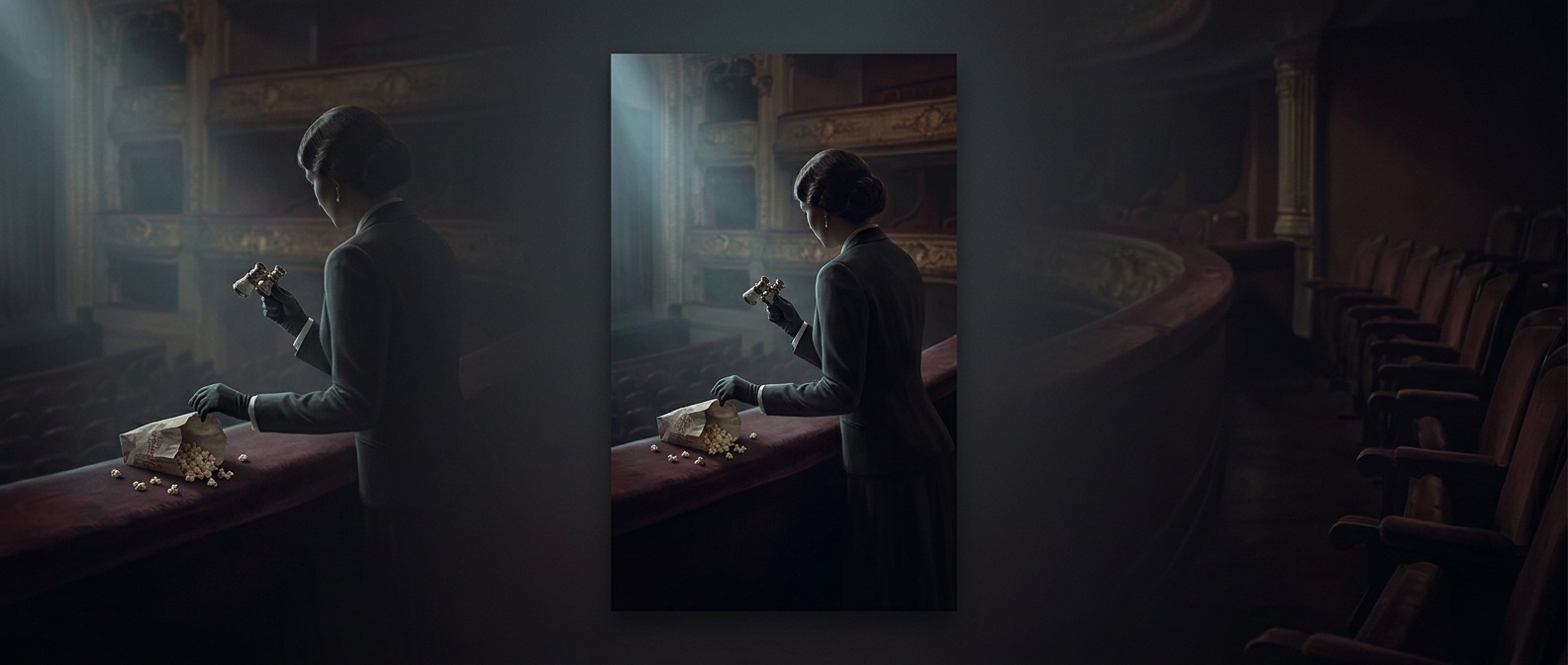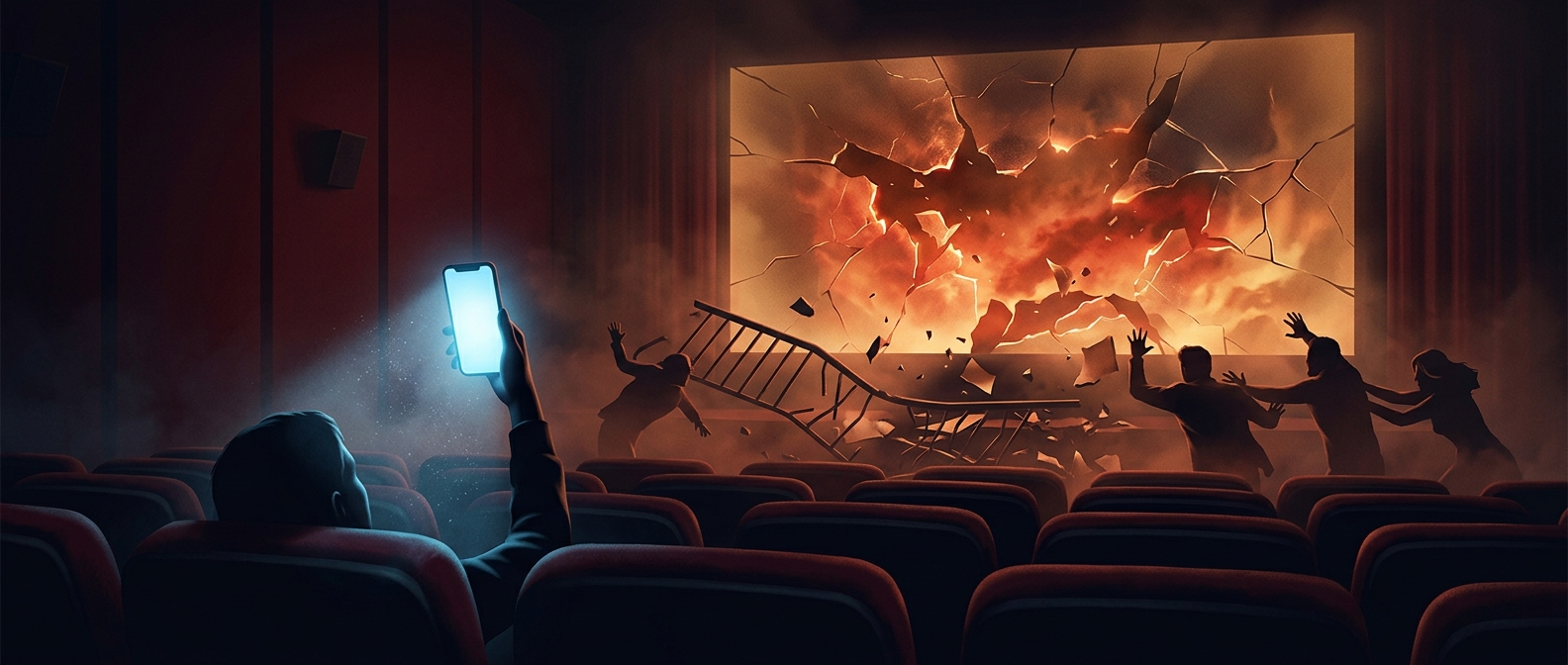
A theater experiment built around phone habits
The idea was not to make every movie screening a free-for-all. In 2016, AMC Theatres’ chief executive, Adam Aron, floated creating some auditoriums where texting would be permitted—possibly with designated areas for guests who wanted to use their phones. The aim was to make the cinema feel more accommodating to younger moviegoers who were accustomed to staying connected.
That proposal challenged a basic feature of the theater experience: a roomful of people watching the same bright image in darkness. A phone may be small, but its glowing screen can pull attention away from the film and distract nearby viewers. Unlike at home, one person’s screen use affects strangers who did not choose to watch alongside it.
Why the idea met resistance
The backlash exposed a mismatch between convenience for one guest and concentration for everyone else. Many moviegoers treat putting phones away as part of the bargain of seeing a film in a theater; a texting-friendly section could still send light and movement into a shared space. The proposal was withdrawn within days.
The episode also showed how difficult it is for cinemas to adapt to changing habits without weakening what makes the venue distinct. The theater’s challenge was not simply whether customers wanted to text, but whether a screening could remain a collective, immersive experience once phone use became an advertised option.