A movie campaign became a real-world rescue effort
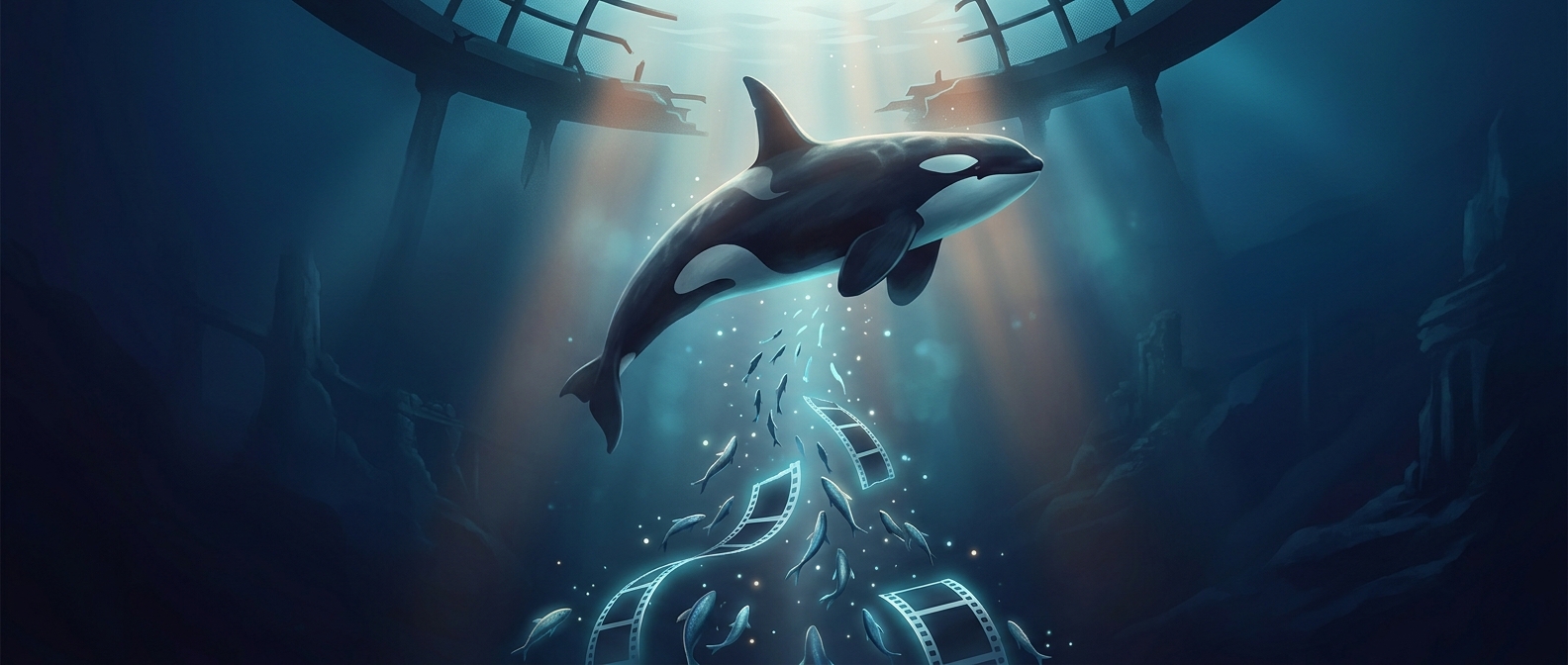
In Free Willy, a boy helps an orca escape captivity. The whale playing Willy, Keiko, was also living in captivity: he performed at an amusement park in Mexico City, far from the cold North Atlantic waters where he had been captured as a young animal. The film’s popularity made his situation visible to audiences who might never otherwise have heard of him.
That attention helped turn a fictional escape into a costly, practical project. Supporters raised money to move Keiko to a purpose-built rehabilitation facility at the Oregon Coast Aquarium. There, trainers worked on his health and swimming fitness while gradually preparing him for colder water and less contact with people. The challenge was not simply transporting a large whale; after years in human care, Keiko had to learn how to live in an ocean environment.
Release was a process, not a single moment
In 1998, Keiko was flown from Oregon to a sea pen in Iceland, near the region where he had been captured. The fenced inlet let him experience ocean currents and weather while caretakers continued feeding and monitoring him. Later, he was allowed to swim beyond the pen, with a support team following his movements.
But returning an animal to its geographic home is not the same as restoring a wild life. Keiko had spent most of his life around people and did not join a wild orca pod. He eventually traveled to Norway, where he was often near people and remained accustomed to human attention. He died there in 2003.
The campaign achieved a remarkable relocation and gave Keiko access to open water, but it could not undo the effects of captivity or guarantee that he would become independent. Its lasting story is therefore more complicated than the film’s ending: a popular movie helped make a real rescue possible, while the whale’s life showed how difficult it is to turn release into a true return to the wild.