How The Thin Blue Line challenged a Texas murder conviction
In 1976, Dallas police officer Robert Wood was shot and killed during a traffic stop. Randall Dale Adams was convicted of the murder and sentenced to death. Years later, filmmaker Errol Morris made The Thin Blue Line, a documentary that examined how investigators and jurors had come to believe Adams was the shooter.
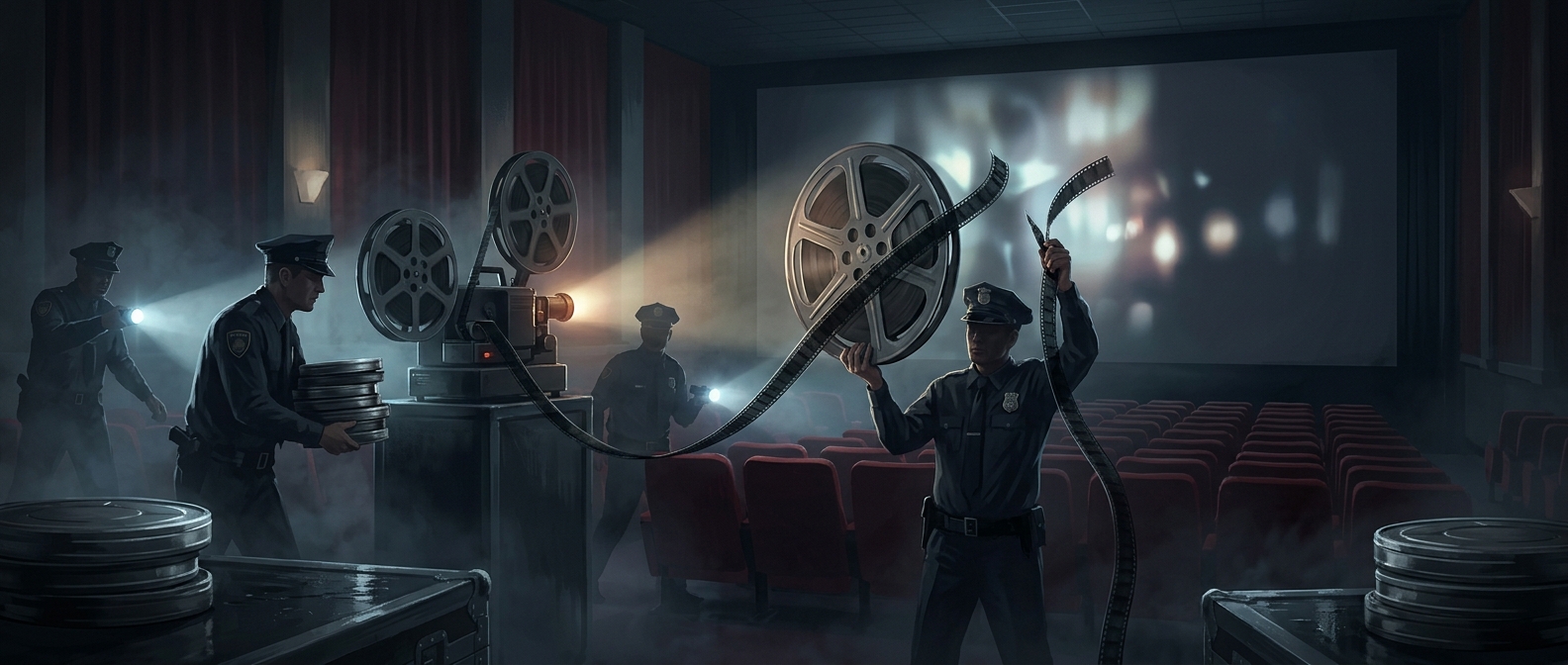
Rather than simply retell the case, Morris put conflicting accounts side by side. He interviewed people connected to the investigation and used carefully staged reenactments to show how the shooting might have happened under different versions of events. The repeated scenes made a crucial point visible: the accounts could not all be true, and the case against Adams depended on testimony that deserved closer scrutiny.
From a film to a courtroom reversal
The documentary brought renewed public attention to the case and helped undermine confidence in the conviction. That attention was not itself a legal ruling. In 1989, the Texas Court of Criminal Appeals overturned Adams’s conviction, and prosecutors later dropped the case rather than try him again. Adams was released.
The film’s influence came from making a complicated record understandable to people outside the courtroom—and from directing attention back to evidence and testimony that had helped secure a death sentence. Its consequence was unusually concrete: a man who had spent years on death row walked free, while a murder conviction that once appeared settled was no longer considered reliable.