When dinosaurs moved from museums to the big screen
Jurassic Park made prehistoric life feel immediate. Its dinosaurs were not just bones behind glass: they moved, hunted, and reacted to people. That vivid portrayal gave audiences a new reason to wonder what fossils could reveal about the animals that once lived on Earth. For some viewers, fascination became a plan to study paleontology—the science of ancient life through fossils.
A cinematic spark meets a small academic field
A blockbuster can create interest in a subject almost overnight, but university courses cannot expand as quickly. Paleontology depends on specialized teaching, collections, field experience, and faculty with expertise in particular areas. When more students seek those courses than a department can accommodate, limited class spaces and staff become a bottleneck.
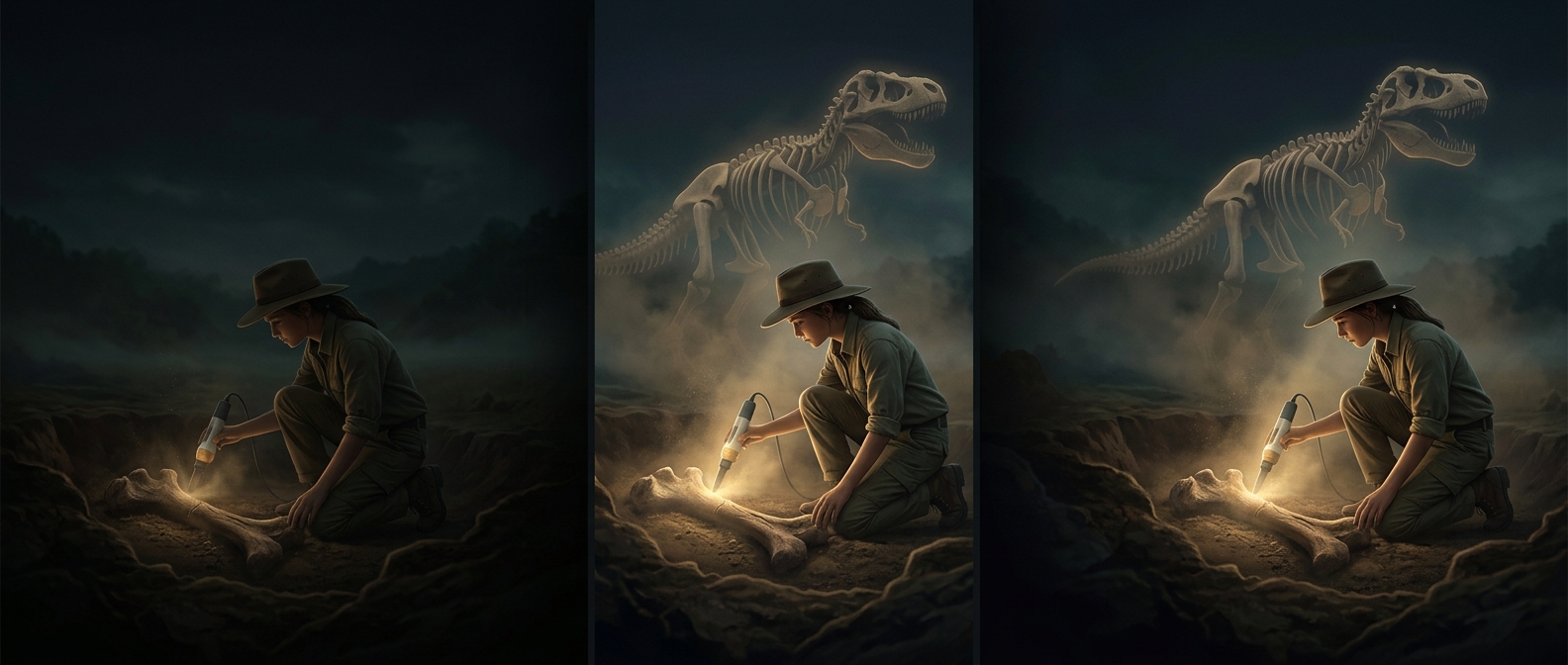
The film also offered an accessible entry point, not a complete picture of the work. Real paleontologists usually build knowledge from incomplete evidence: a fossil may preserve only part of an animal, and researchers compare bones, rock layers, and other clues to infer how ancient organisms lived. The movie’s dramatic creatures were fictional, but the excitement they generated could lead students toward those slower, evidence-based questions.
Popularity has a lasting classroom effect
The enrollment surge showed how entertainment can shape what students imagine studying. A film does not need to reproduce the day-to-day work of a science to make its central questions compelling. In this case, the memorable screen dinosaurs sent curious viewers toward courses where the evidence was measured in fossils—and where demand could outpace the number of seats available.