How an unlikely animal sound became raptor dialogue
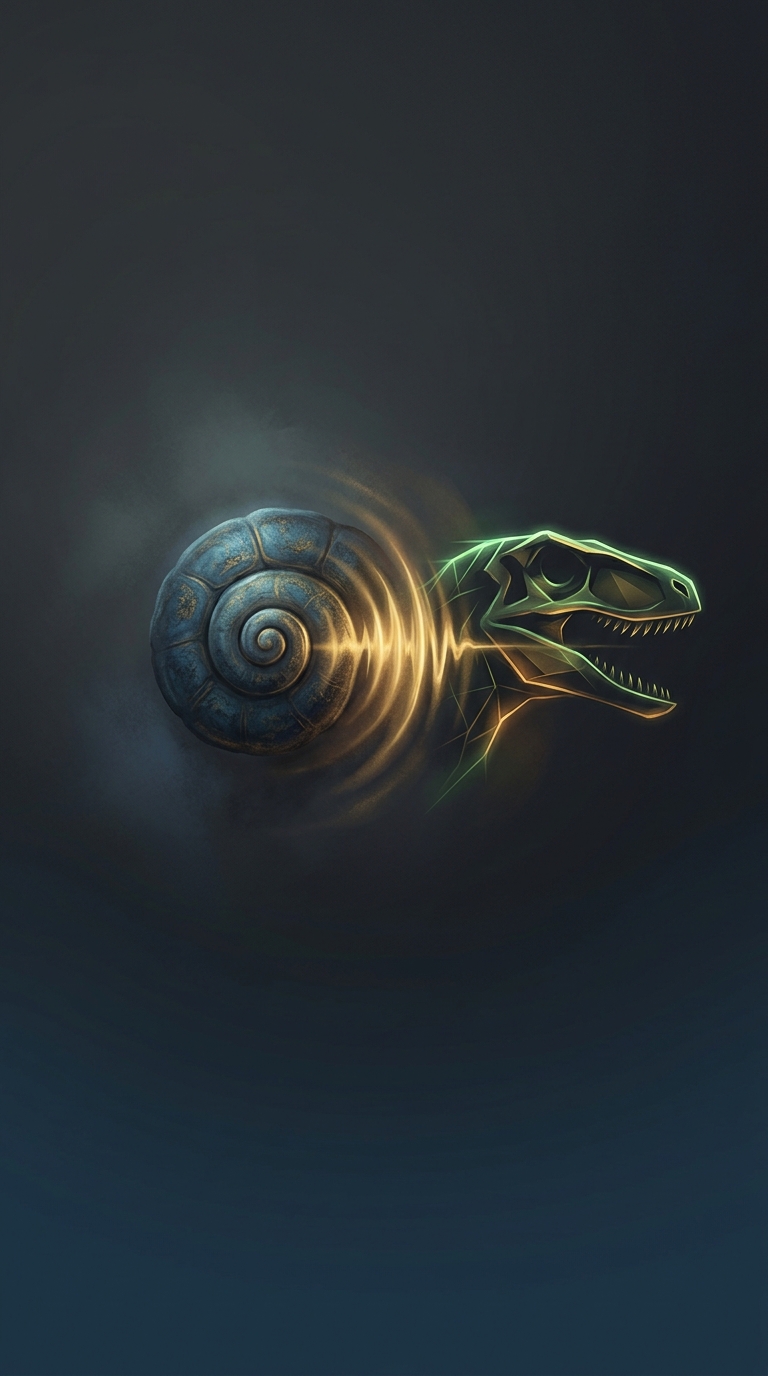
A convincing creature voice needs more than a strange noise. In Jurassic Park, the velociraptors had to seem alert and responsive: their calls needed to feel as if one animal could be addressing another. Gary Rydstrom found a useful starting point in the rhythmic barking tortoises made while mating.
That recording offered something a simple roar might not: a patterned sound with changes in timing and intensity. Listeners are quick to hear intention in such patterns, especially when they occur alongside a creature’s looks and actions on screen. In the film, the tortoise sounds could therefore help make the raptors’ noises read as exchanges rather than as generic monster effects.
Why the source matters less than the performance
The recording was not evidence of what real velociraptors sounded like. No one knows their calls, and tortoises were not chosen as a scientific match. The value was expressive: a real animal had produced a sound with a distinctive rhythm that could serve the scene’s dramatic purpose.
That is a central trick of film sound design. A sound’s original source can disappear from the audience’s mind once it is attached to a visible creature and a specific moment. What remains is the impression that the creature has its own way of communicating. The raptors’ voices feel memorable not because they imitate a known dinosaur, but because an unexpected animal sound gave them a usable, recognizable cadence.