Why the dinosaurs stay offscreen
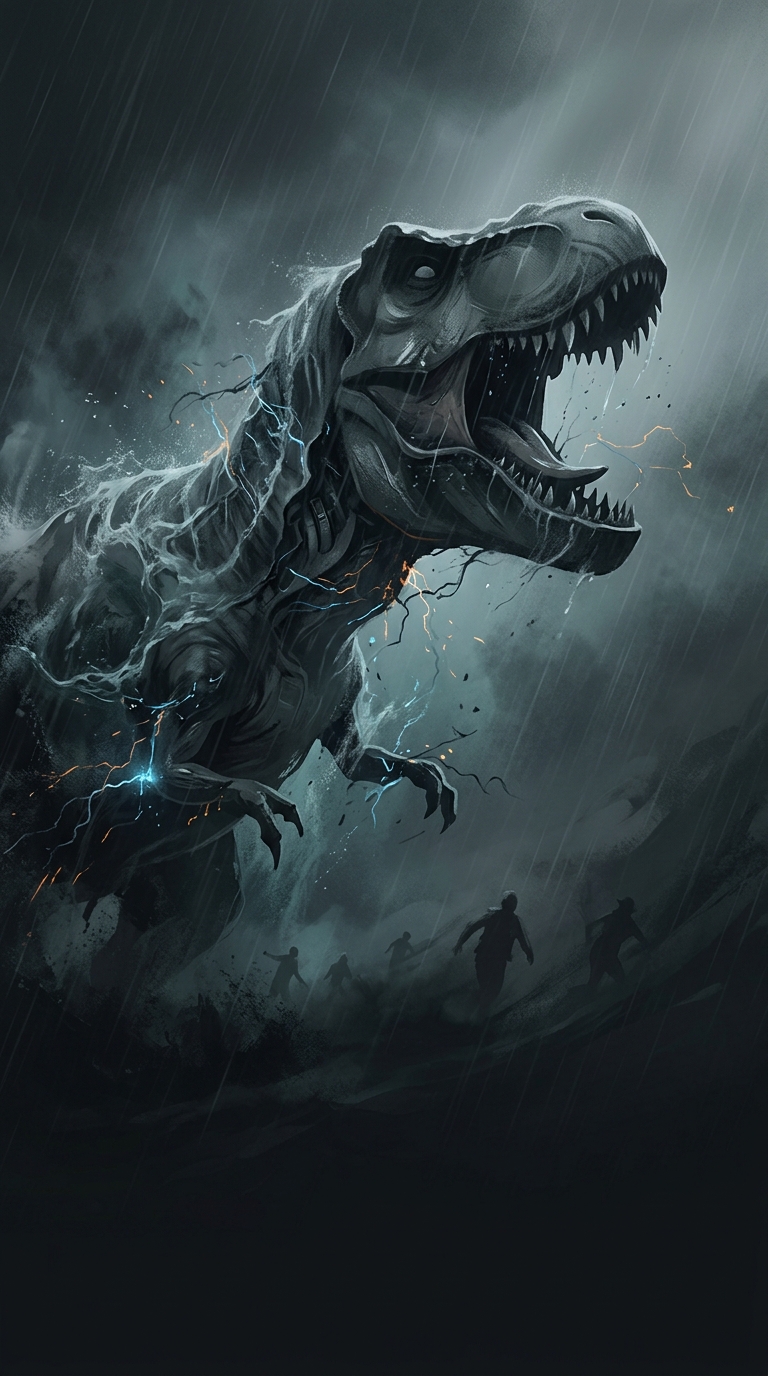
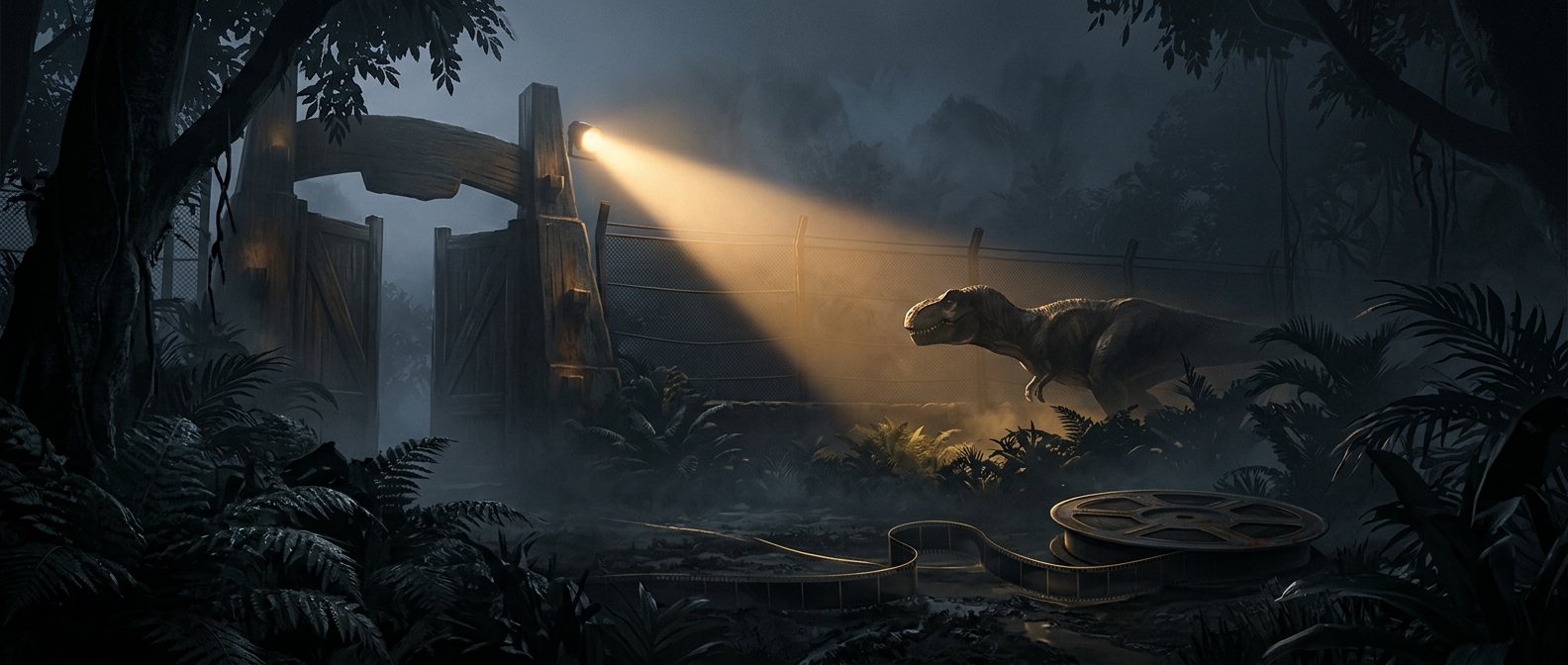
A dinosaur that appears for only a few minutes can dominate a film if the story makes viewers wait for it. Jurassic Park builds anticipation through warning signs, approaching danger and characters who cannot control what is coming. The audience is left to imagine the animal before seeing it—and to worry about what it might do once it arrives.
That delay also gives the creatures dramatic weight. Each appearance changes the situation: a scientific wonder becomes a threat, or a supposedly secure place proves vulnerable. If dinosaurs were constantly visible, their presence could become ordinary. Keeping them scarce helps each encounter feel like an event.
Human limits make the danger legible
The human characters provide the scale for the spectacle. Their reactions show how large, fast or frightening an animal is, while their arguments and mistakes make the danger understandable as a chain of decisions rather than just a series of monster attacks. The suspense comes partly from watching people try to make plans with incomplete knowledge—and seeing those plans fail.
This structure also creates room for contrasts: awe against fear, scientific ambition against practical consequences, and apparent safety against sudden exposure. The dinosaurs may be the film’s visual draw, but the people give their appearances stakes. By the time a creature enters the frame, the story has already taught viewers what could be lost.