Color made from three filtered views
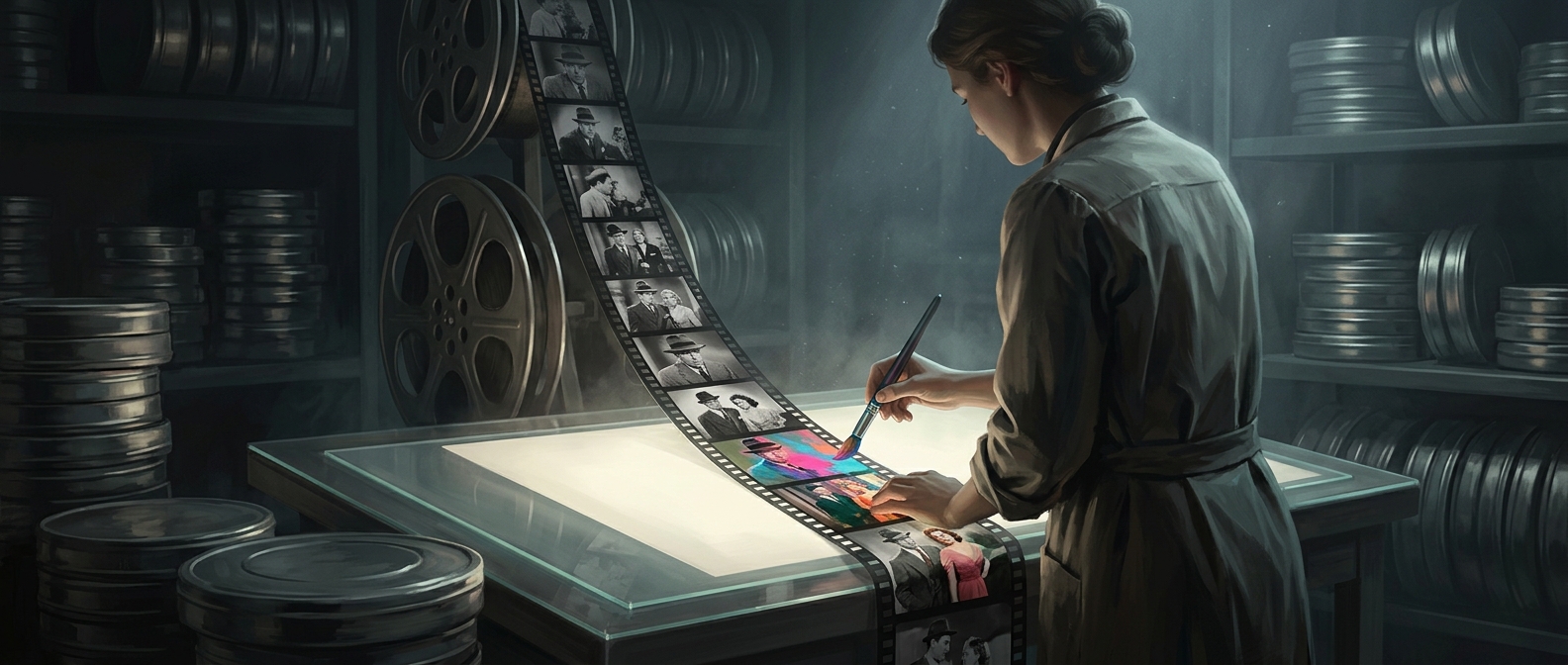
The bird in the test footage was recorded by a camera that captured color in an unusual way. Rather than using film that could register color directly, the process exposed black-and-white film through red, green, and blue filters. Each filter recorded a different part of the scene’s color information.
When the images were shown together through matching filters, those separate records combined into a colored picture. The bird’s changing feathers therefore offered a useful test: a fixed subject could reveal color, but a moving one also showed whether the system could keep its views aligned as it worked.
A demanding system for moving pictures
The method relied on rapidly changing filters and carefully coordinated exposures. If the filtered records did not line up, edges could show color fringes or the image could look blurred. Capturing motion made the challenge harder: the camera had to record each color component in sequence while the subject kept moving.
That tradeoff helps explain why the footage is more than an early color curiosity. It shows an effort to bring color to cinema before color-sensitive film made the process more straightforward. The technology was ingenious, but its mechanical complexity made recording and displaying the images difficult.
A brief glimpse of an experiment
The footage was test material, not a finished feature film. Its small, ordinary scene—a bird shifting its feathers—preserves the practical work of trying to make color move on screen. In a few seconds, it turns an engineering problem into something immediately visible: whether a new system could keep the colors of a living subject together as it moved.