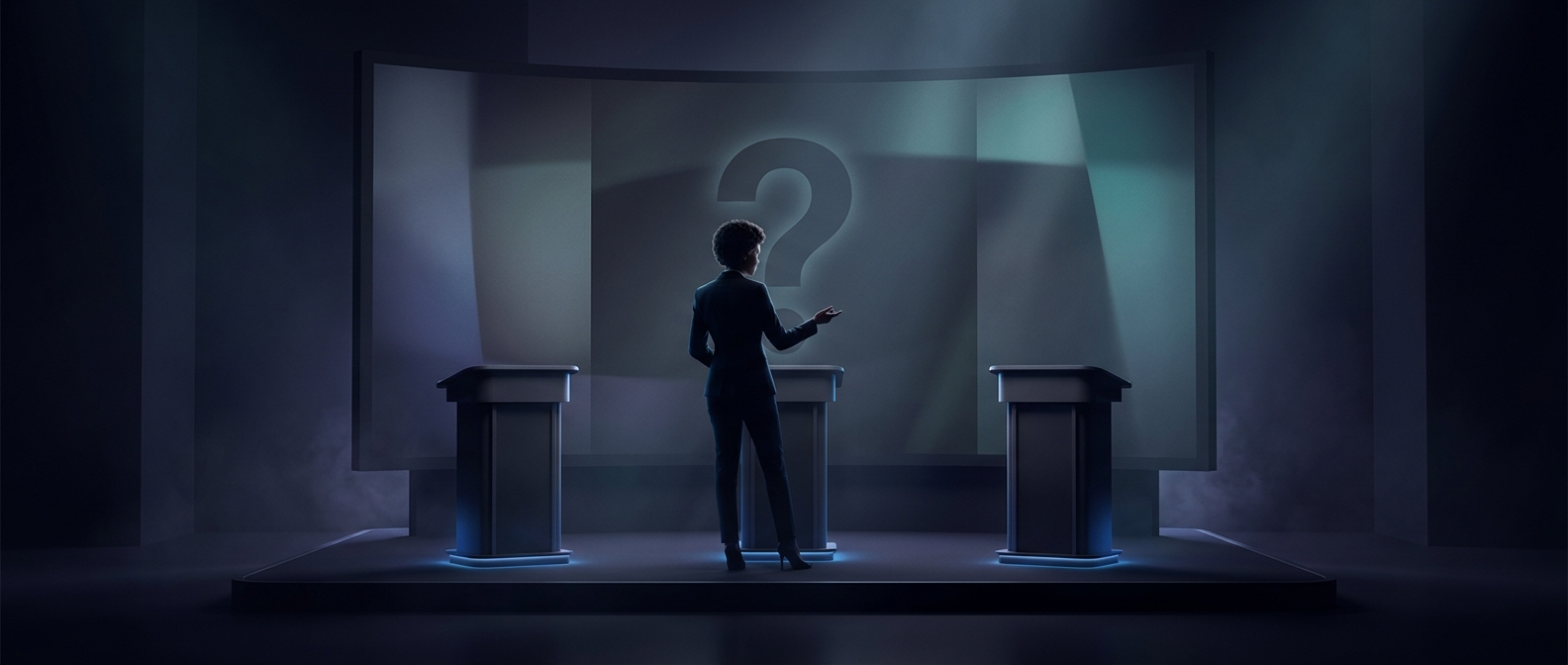
Why Jeopardy! turns answers into questions
The question-shaped response is more than a catchphrase: it is the show’s way of making its basic format audible. Each clue is presented as an answer, and contestants supply the question that would lead to it. A clue might point to a French capital; the contestant completes the exchange with “What is Paris?”
That reversal gives the game its distinctive rhythm. Instead of asking a question and waiting for an answer, the show offers a piece of information and challenges players to identify the question behind it. The required wording keeps that premise visible in every response, even when the clue is difficult.
A rule that doubles as a format
The phrasing also creates a consistent verbal structure for the game. Contestants can respond quickly with a short question, while the host and viewers hear both the proposed fact and the fact’s grammatical frame. A bare “Paris” would name the same place, but it would skip the part of the exchange that signals how Jeopardy! differs from an ordinary quiz.
The rule is not meant to make contestants ask for information they do not know. They are asserting a candidate answer in question form. In that small reversal, Jeopardy! turns a familiar quiz response into a recognizable piece of performance—and makes the format itself part of the play.