Shallow Water Can Still Be a Real Hazard
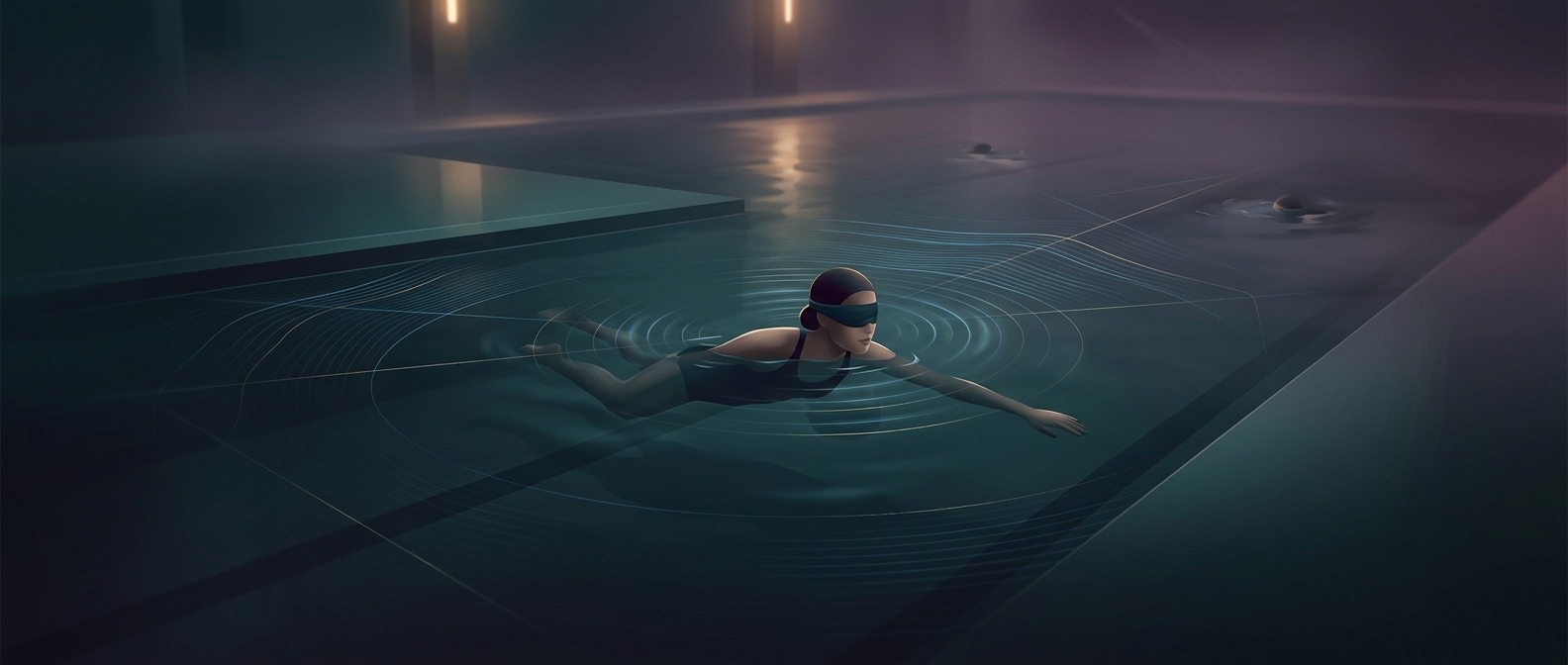
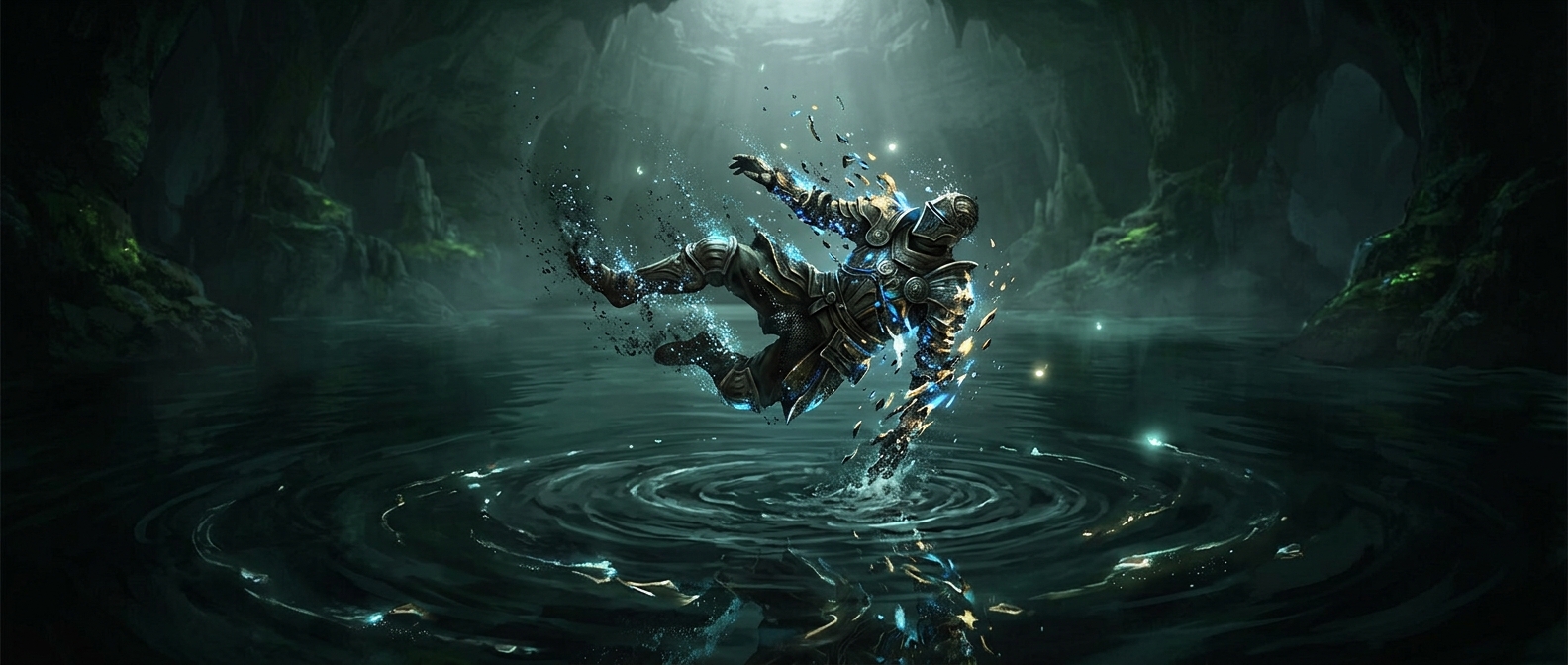
“Shallow” describes the distance from the surface to the bottom, not whether someone can keep their mouth and nose above water. A warrior who falls face-down, gets pinned, or is too injured to lift their head can lose access to air even where the water is only deep enough to cover their face. Drowning is about the airway being underwater, not the body being far below the surface.
Training can help someone swim, stay calm, or recover from a fall. It does not make the body naturally float in every position, and it cannot help much if a person is unconscious or trapped. Armor and weapons can also restrict movement, making it harder to turn over or push up—but the exact effect depends on the equipment and situation.
Why Games Make the Waterline Matter
For a game designer, water creates a useful boundary: crossing it can turn ordinary movement into a survival problem. A character may be formidable in combat yet vulnerable when knocked down in a flooded passage or caught beneath the surface. That contrast makes the environment feel like a force with its own rules, rather than just scenery.
The challenge is making the danger legible. If a character dies in water that looks harmless, players may read the outcome as arbitrary unless the game signals that the character is prone, trapped, or unable to breathe. A shallow pool can plausibly be lethal—but only when the character’s position or condition prevents them from keeping their airway clear.The decisive detail is not how deep the water is, but whether the character can get their face above it.