When a Team Becomes Part of the Self
People often use a favorite team to express who they are: where they come from, what they value, or which community they belong to. In psychology, this is called social identity—the part of a person’s sense of self that comes from membership in a group. The team remains a separate organization, but emotionally it can feel like “us,” not simply “them.”
That connection helps explain why a taunt can sting more than its words seem to warrant. A rival’s insult is heard not only as a judgment about players or a logo, but as a challenge to a group the fan has folded into their own identity. The mind gives the remark personal relevance, much as it would criticism aimed directly at the listener.
How a Taunt Becomes a Bodily Reaction
Once a comment feels like a threat to something important, attention narrows around it. The body can prepare for confrontation: muscles tense, the heart beats faster, and anger may rise. These reactions are part of the body’s general response to perceived threat; they do not mean the fan is in physical danger or that every insult will provoke the same response.
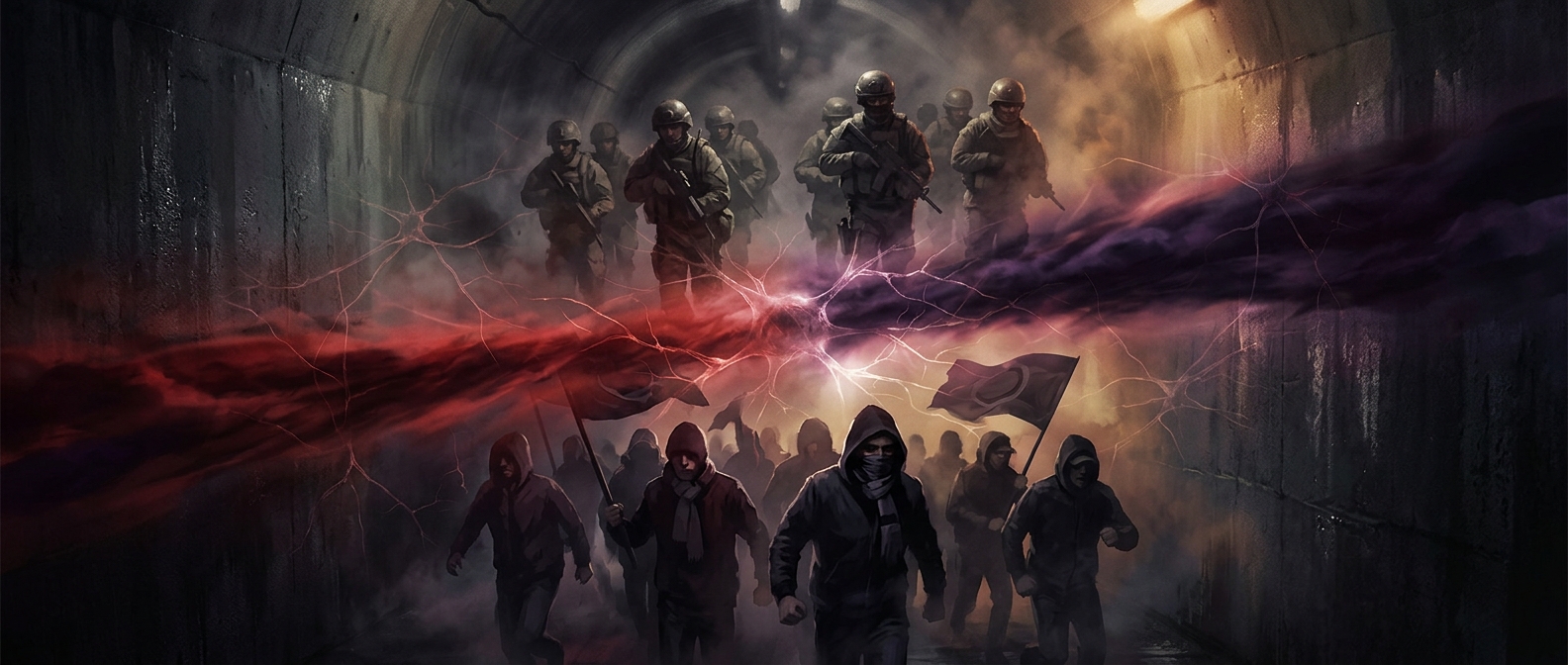
The setting can intensify the effect. In a packed crowd, chants, colors, and shared reactions keep the group’s identity prominent. A stranger’s taunt may therefore feel less like a passing remark and more like an attack on the side the fan is standing with.
The Line Between “Us” and “Me”
This does not mean fans literally mistake a team for themselves. The distinction is still understood, but it becomes less important in the moment: the team’s reputation can feel tied to the fan’s own standing. That is why a brief exchange at a game can spark a reaction that seems outsized once the noise dies down. The insult has touched a social bond, and the body can respond before the fan has time to put that bond back into perspective.