Shrek gave DreamWorks a hit it could build on
When Shrek arrived in 2001, DreamWorks was still trying to establish itself as a major animation studio. Animated features required years of work and large upfront budgets; a disappointing release could leave a studio with little immediate income to offset those costs. Shrek became a theatrical success, giving DreamWorks money, visibility, and evidence that its animation operation could compete with established rivals.
The payoff kept going after theaters
A hit animated film can earn revenue well beyond its initial cinema run. Shrek reached new audiences through home video, while characters and settings could support licensed products and later films. Its success therefore offered DreamWorks more than one profitable release: it gave the studio a recognizable property with several ways to keep earning and a built-in audience for a sequel.
That mattered because each new film was another costly bet. A successful franchise could make those bets easier to finance and promote, while helping the studio attract attention in a crowded market. Shrek’s popularity also strengthened DreamWorks’ identity as a maker of animated films, rather than leaving it dependent on a single breakout.
A turning point, not a one-film rescue
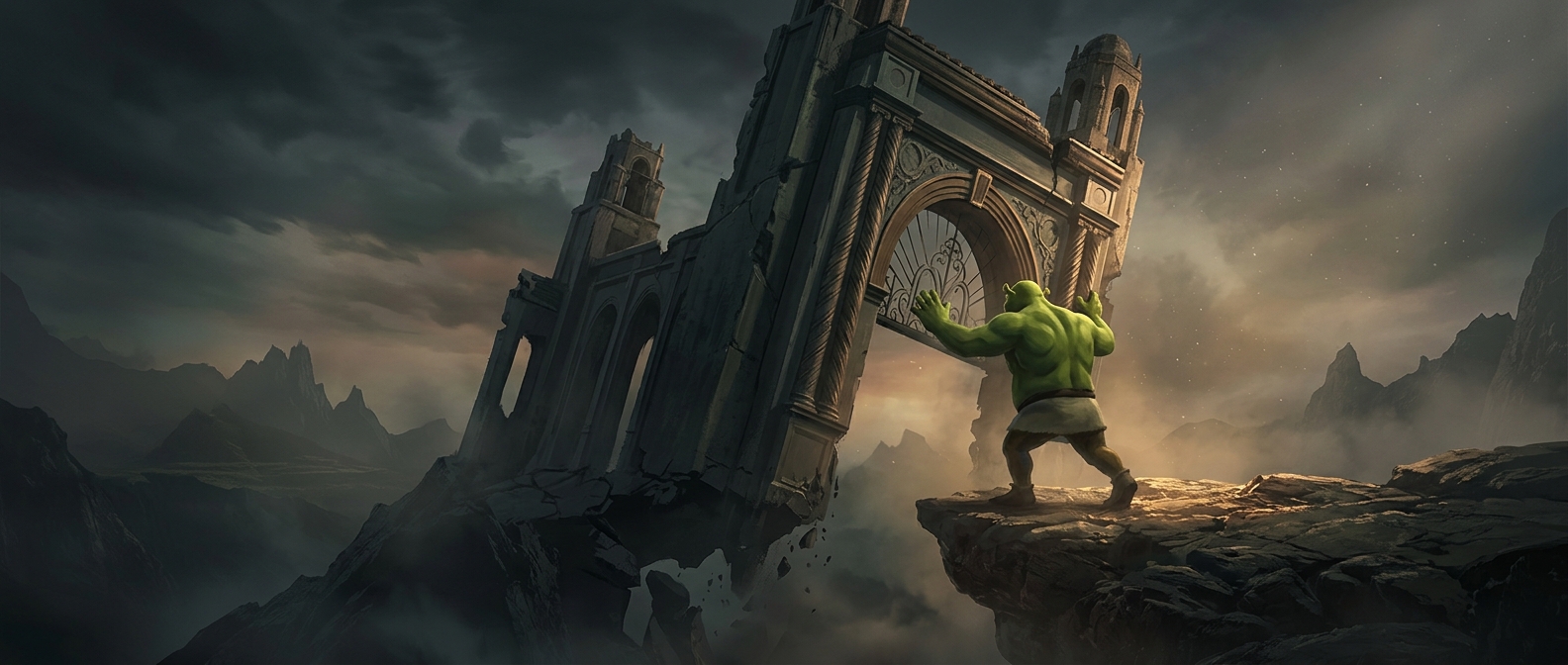
Saying Shrek “saved” DreamWorks is shorthand for this broader effect. One movie did not erase every financial problem facing the company, but its success helped sustain the studio’s animation business for years by launching a durable franchise and demonstrating that its investment could pay off. The striking consequence was that a story about an unlikely ogre became one of the assets DreamWorks could use to keep making movies.