Why a prophecy chooses someone still growing up
A seasoned general already knows how to give orders, weigh casualties, and live with hard decisions. A teenager is still learning those things. That gap makes a chosen-one story more than a contest against a villain: it becomes a story about acquiring the judgment needed to use power.
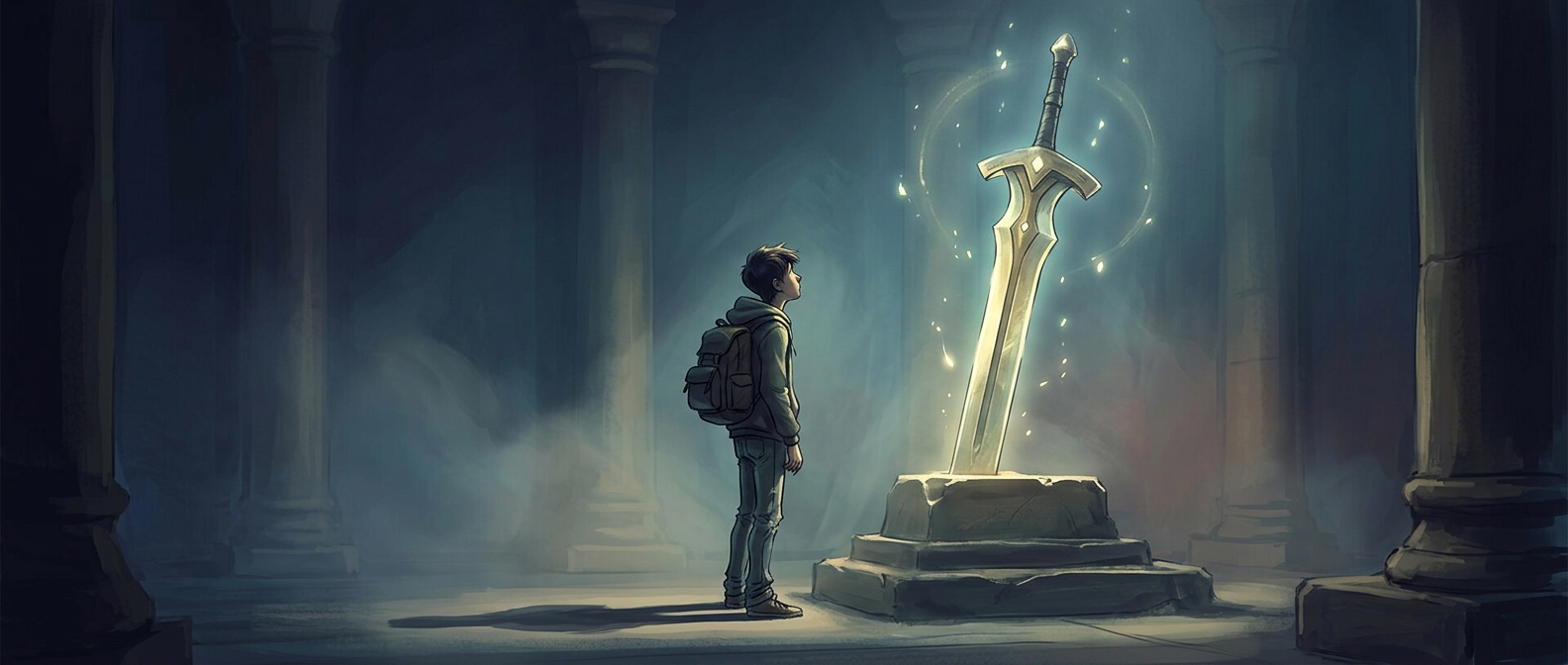
The prophecy supplies a role before the young hero feels ready for it. Each crisis then tests not just whether they can win, but what kind of person they will become. The audience can watch confidence, loyalty, and responsibility take shape rather than meet a fully formed savior at the beginning.
The age makes the conflict personal
Teenagers often have little authority in the worlds they inhabit. Adults set the rules; institutions dismiss them; family and school impose obligations. A prophecy abruptly gives one young person a world-sized responsibility without automatically giving them the experience or standing to handle it. That mismatch creates friction: the hero may have to persuade people who outrank them, rely on friends, and learn from mistakes while danger keeps advancing.
It also lets a fantasy threat echo familiar transitions. Leaving childhood, choosing whom to trust, and deciding whether to accept expectations are already consequential changes. A destiny magnifies those pressures into a fight over the future of an entire community.
Why not simply choose the expert?
A veteran hero can make a compelling story, but their expertise changes the central question. Instead of “Can this person grow into the task?” the plot may ask whether established power can solve the crisis—or whether its habits and rules are part of the problem. The young chosen one offers a sharper contrast between inherited authority and untested potential.
That is why the teenager’s inexperience is not merely an obstacle to overcome. It is the engine of the story: saving the world and growing up become the same journey.