Why a hospital monitor can’t simply be left running
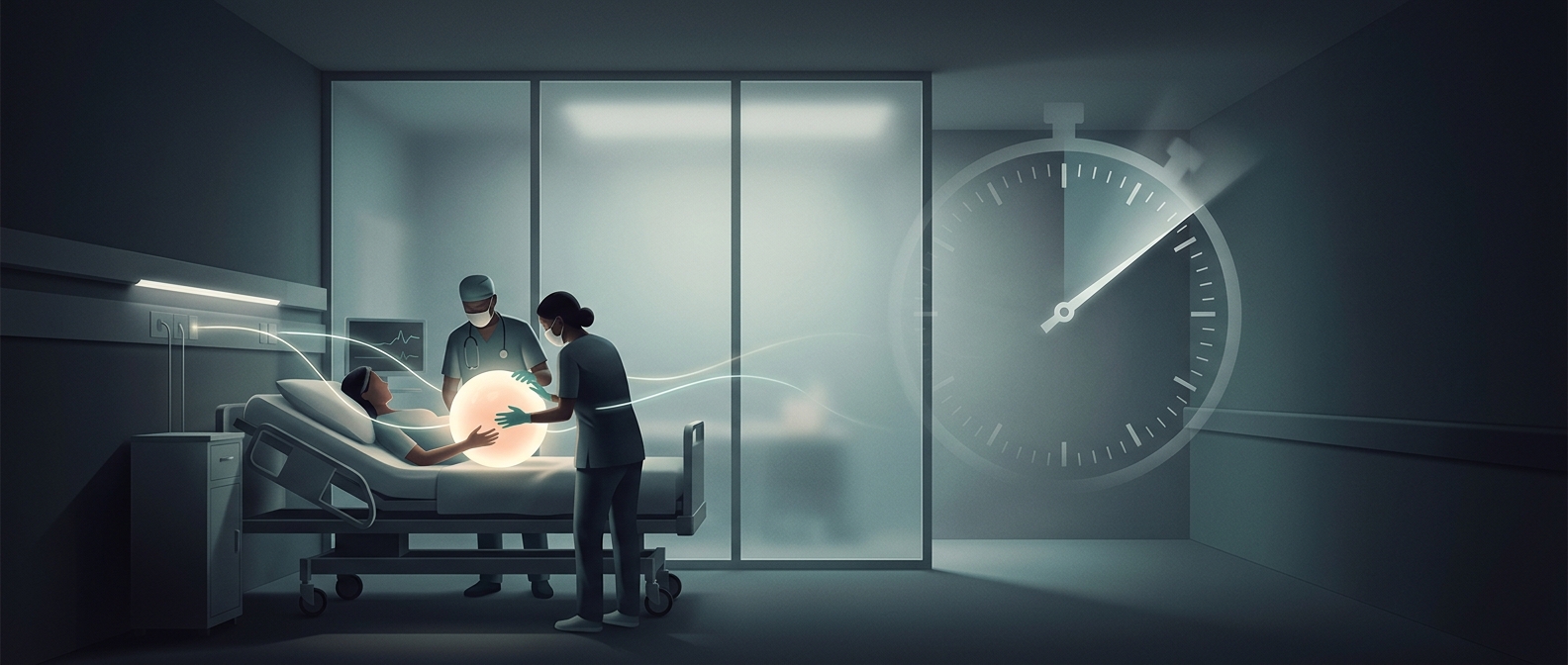
A real bedside monitor is not a decorative screen: it receives signals from sensors attached to a patient and updates its traces and numbers as those signals change. A television production, by contrast, needs a picture that can be framed, repeated across takes, and kept legible to viewers. Feeding a real patient monitor into a scene would be impractical, while a live display could change unpredictably or show private information.
The prop has a different job
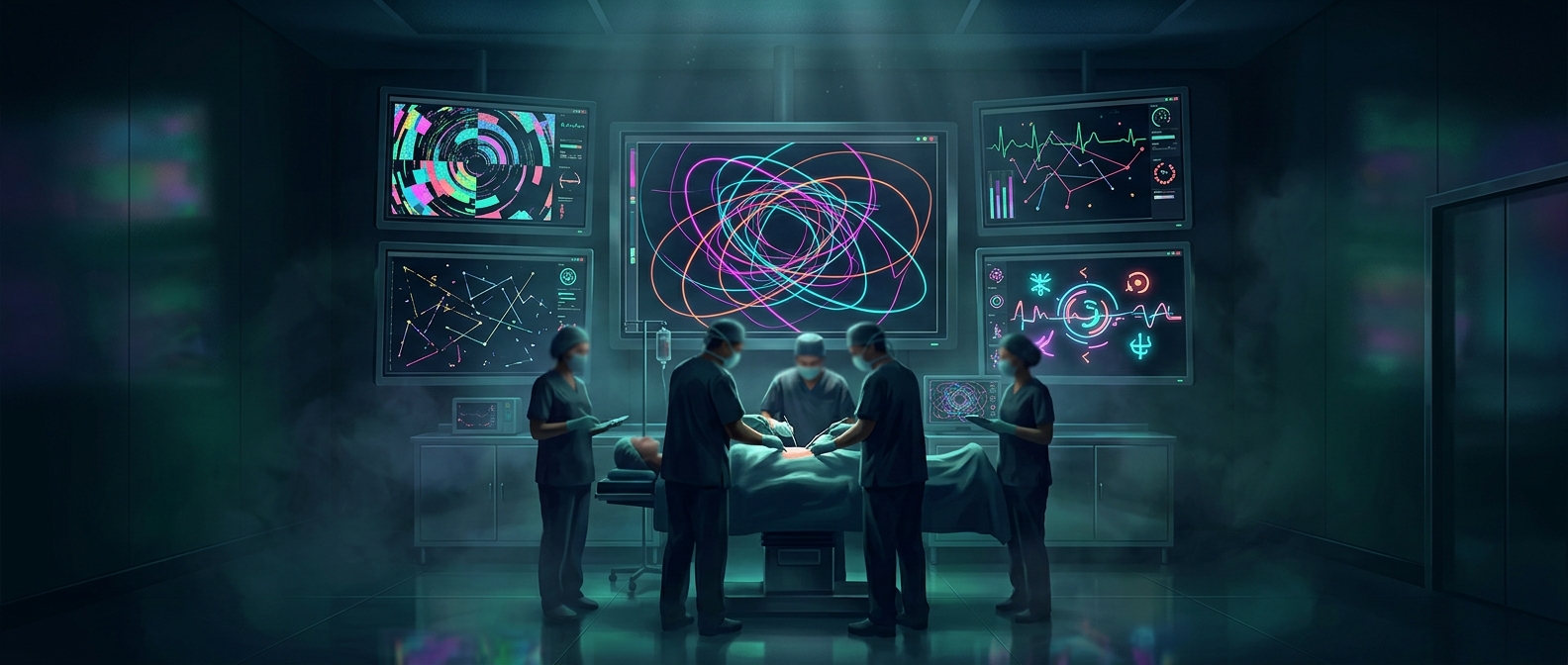
Productions often use a dedicated video playback or graphics system to put monitor imagery on screen. A prerecorded loop gives the crew control over what appears, when an alarm sounds, and whether the display matches the scene. The same clip can run through multiple takes without an actor’s movements or a real sensor changing the picture.
That convenience has a cost: the display may repeat at a visible interval, or its numbers and waveforms may not agree with one another. A monitor can show a heartbeat trace that looks dramatic while its displayed pulse or blood pressure tells a different story. Real monitors measure different things, and their readings are connected by the patient’s physiology; they are not independent graphics chosen for visual effect.
Why the mismatch survives
Most viewers read the screen as shorthand for “medical emergency,” not as a diagnostic instrument. A sharp beep, a moving line, and a sudden alarm communicate danger quickly, even if the details would puzzle a clinician. Making every value technically coherent takes extra design work and may add little to the scene for most audiences.
The result is a prop optimized for storytelling rather than patient care: it can reliably signal tension, but it may not behave like a machine that is actually measuring someone.