Why Fictional Bar Orders Stay Vague
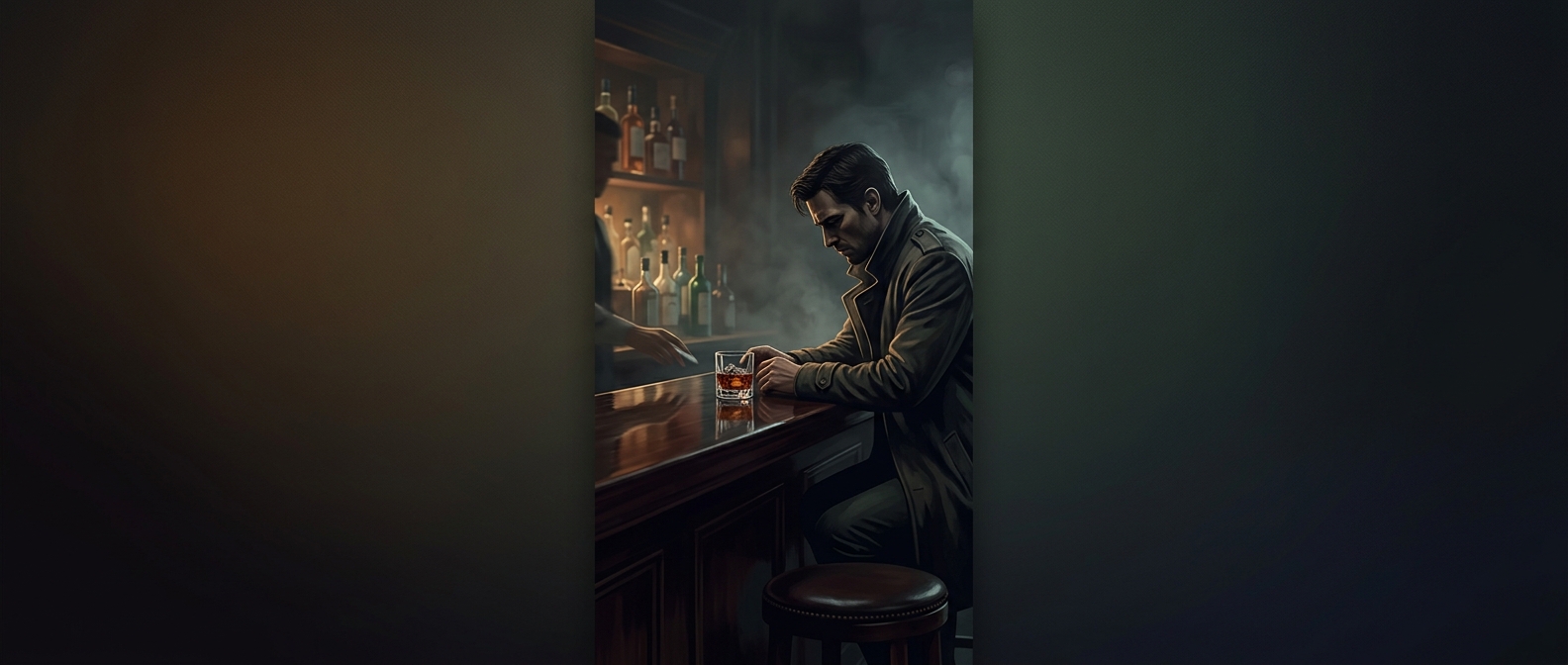
When a character asks for “a beer,” the line can sound like throwaway dialogue. But that vagueness gives a production a practical advantage: it avoids tying an ordinary moment to a real company’s product. A recognizable brand name can make viewers wonder whether the placement was paid for, approved, or meant as an endorsement—even when the script only needs to show someone ordering a drink.
A Prop Has to Match the Script
The choice affects more than dialogue. If a character names a real beer, the bottle or tap in the shot may need to match. That can mean clearing the brand’s appearance or adjusting the scene so the packaging is not visible. A generic order lets the production use a fictional label, an unmarked glass, or whatever prop best fits the set without making brand identity part of the story.
Specific brands can still appear when they serve a purpose, such as establishing a character’s taste or grounding a scene in a particular place. But if the brand adds nothing, naming it creates an extra decision for writers and producers. “A beer” does the job with less distraction—and leaves the audience focused on the conversation, not the label.