The Bar Turns a Stranger Into an Audience
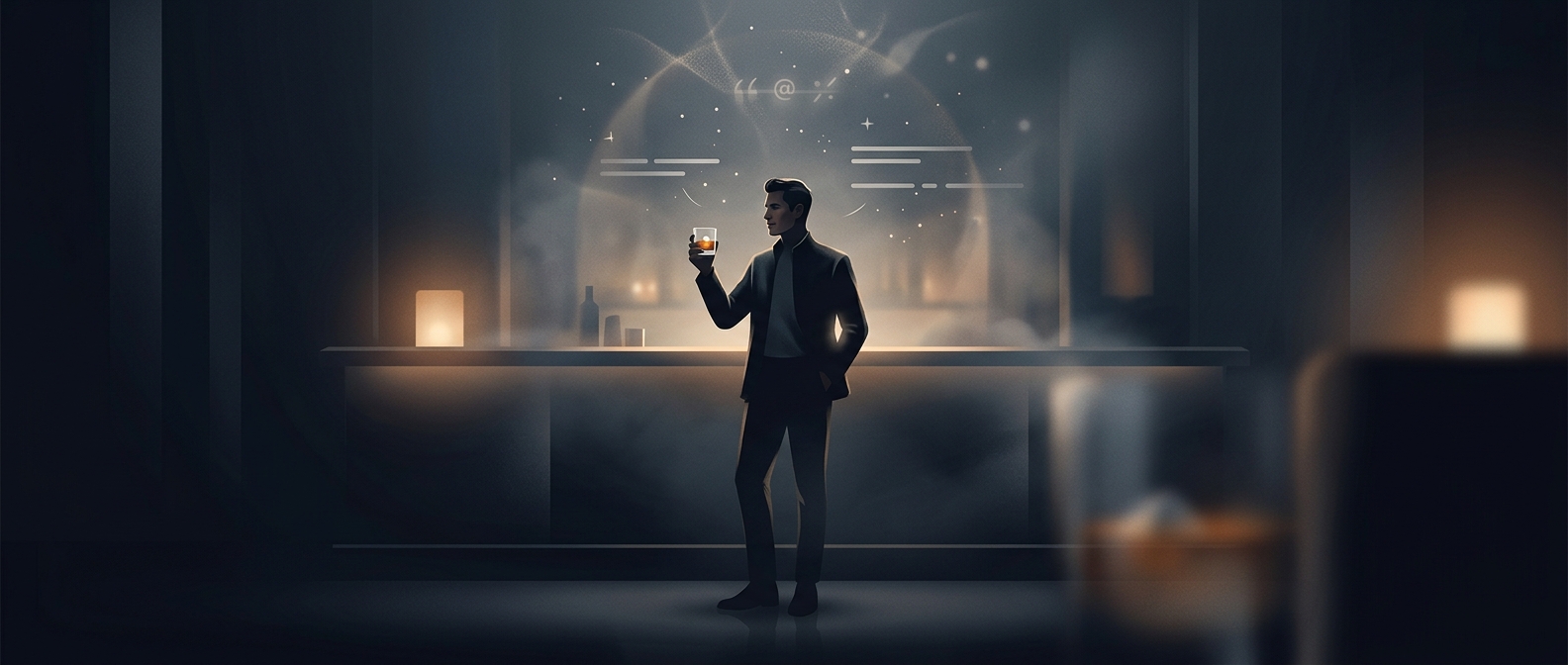
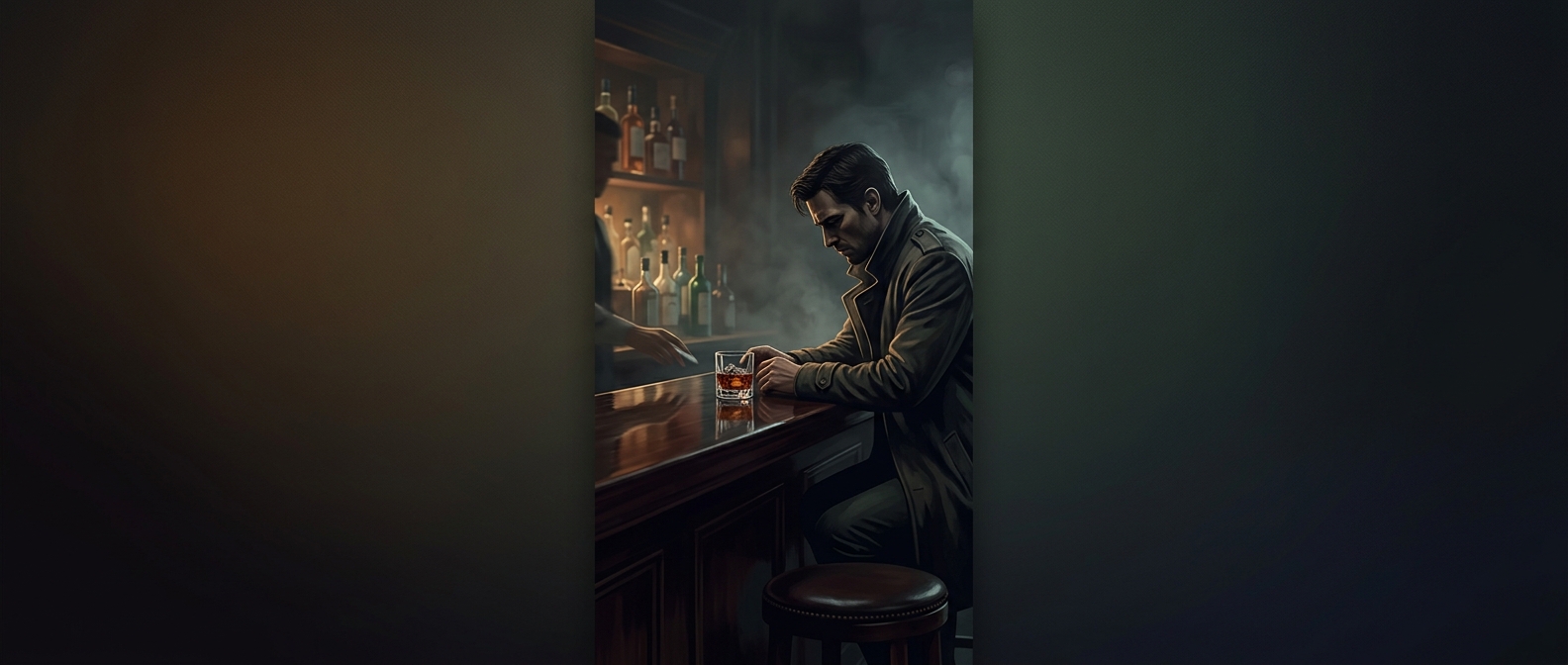
A bartender is a convenient character for a story to place beside a hero who would otherwise have no reason to talk. The hero can sit alone in a public room, look troubled, and still be close enough to someone who can start a conversation. Unlike a passerby, the bartender has a practical reason to approach: taking an order, setting down a drink, or checking whether a customer needs anything.
That ordinary access makes a bartender useful for more than service. A brief exchange can reveal the hero’s mood, offer a warning, or give the audience information the hero would never explain aloud. The advice may sound spontaneous, but on the page or screen it often does the work of a carefully placed story beat.
A Small Job With a Wide View
The bar also gives the character a plausible vantage point. Bartenders face customers, notice who keeps returning, and can hear fragments of conversation in a shared space. That does not make them all-knowing; it gives a writer a believable reason for them to recognize a regular or pick up on a change in someone’s behavior.
The setting does much of the rest. A busy room supplies noise and movement, while the counter creates a natural pocket for a private conversation in public. The hero can remain surrounded by people yet feel isolated—and the bartender can cross that gap without needing a separate introduction.
Why the Advice Feels Natural
The role balances distance with familiarity. A bartender is not necessarily a friend or authority figure, so the hero may accept a blunt observation without the scene turning into a family argument or formal consultation. The character can be perceptive, but the exchange still has a reason to begin: someone came in, ordered, and stayed.
That is the storytelling bargain: the bartender’s everyday access gives a writer a compact way to make a lonely character speak—and let the audience learn what the character cannot bring himself to say.