Why the Airport Dash Works Better on Screen
A romantic-comedy airport scene turns a messy relationship into a simple deadline: one person is about to leave, the other has one last chance to speak. Crowds, gates, and departing planes make the feeling visible. The movie can cut straight from a dramatic entrance to a meaningful conversation, skipping the practical question of whether the person being pursued wants that encounter.
Real Airports Are Not Open-Stage Sets
Airports are busy, controlled spaces, not places where anyone can freely follow a traveler to a gate. Security staff may question someone whose behavior seems disruptive or threatening, and access to restricted areas is limited. Showing up at a public terminal is not automatically a crime, but trying to bypass security, refusing instructions, or causing a disturbance can turn a romantic gesture into a security problem.
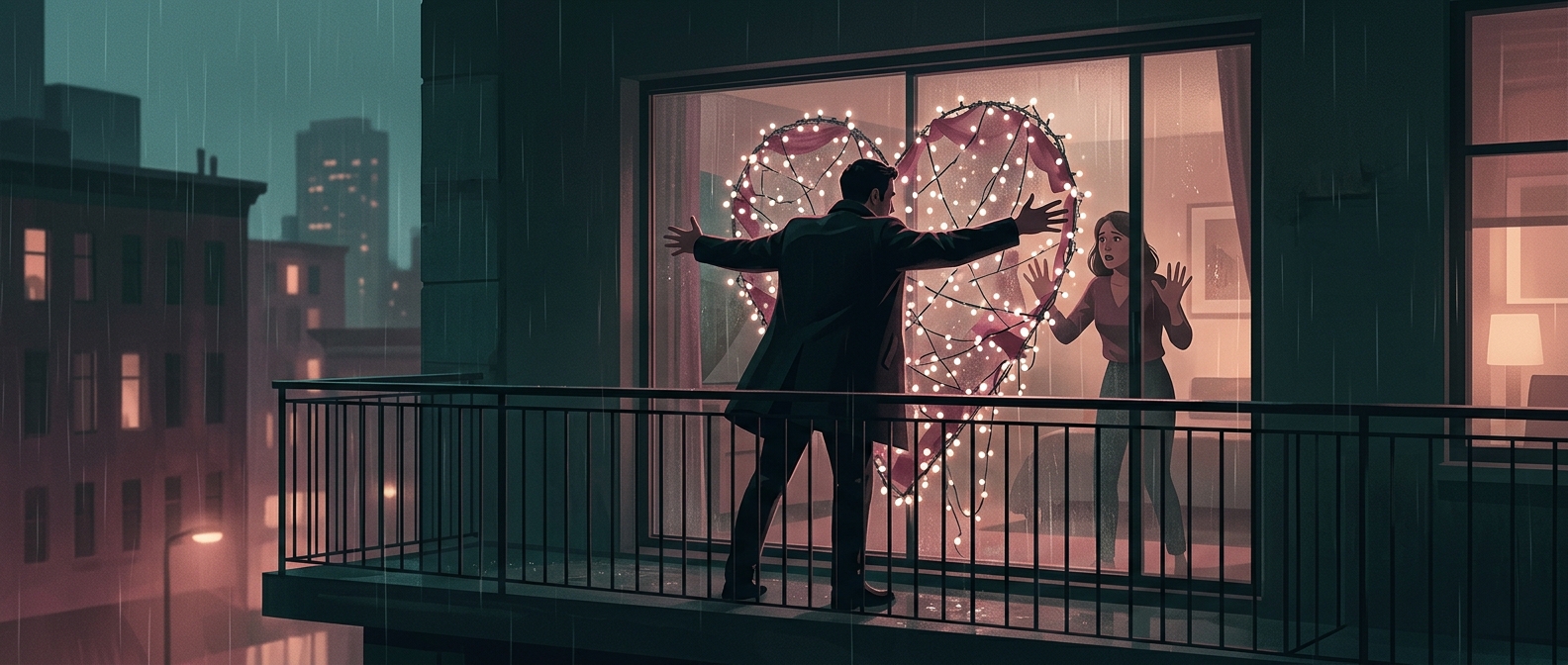
There is also a personal boundary the film often treats as an obstacle to overcome: the other person may not want contact. A surprise visit can feel frightening or pressuring when the relationship has ended or the visitor has been told to stay away.
Persistence Can Change the Stakes
One unwanted appearance does not automatically justify a restraining order. But repeated unwanted contact, threats, or following someone may contribute to a pattern that courts can consider when deciding whether legal protection is warranted. The details and standards vary by location, so the key difference is not whether the gesture looks dramatic; it is whether contact is welcome and whether the behavior continues after a clear refusal.
On screen, persistence signals devotion because the audience is usually shown that the couple is meant to reunite. In life, a grand gesture cannot substitute for consent—and an unanswered goodbye may be the answer.