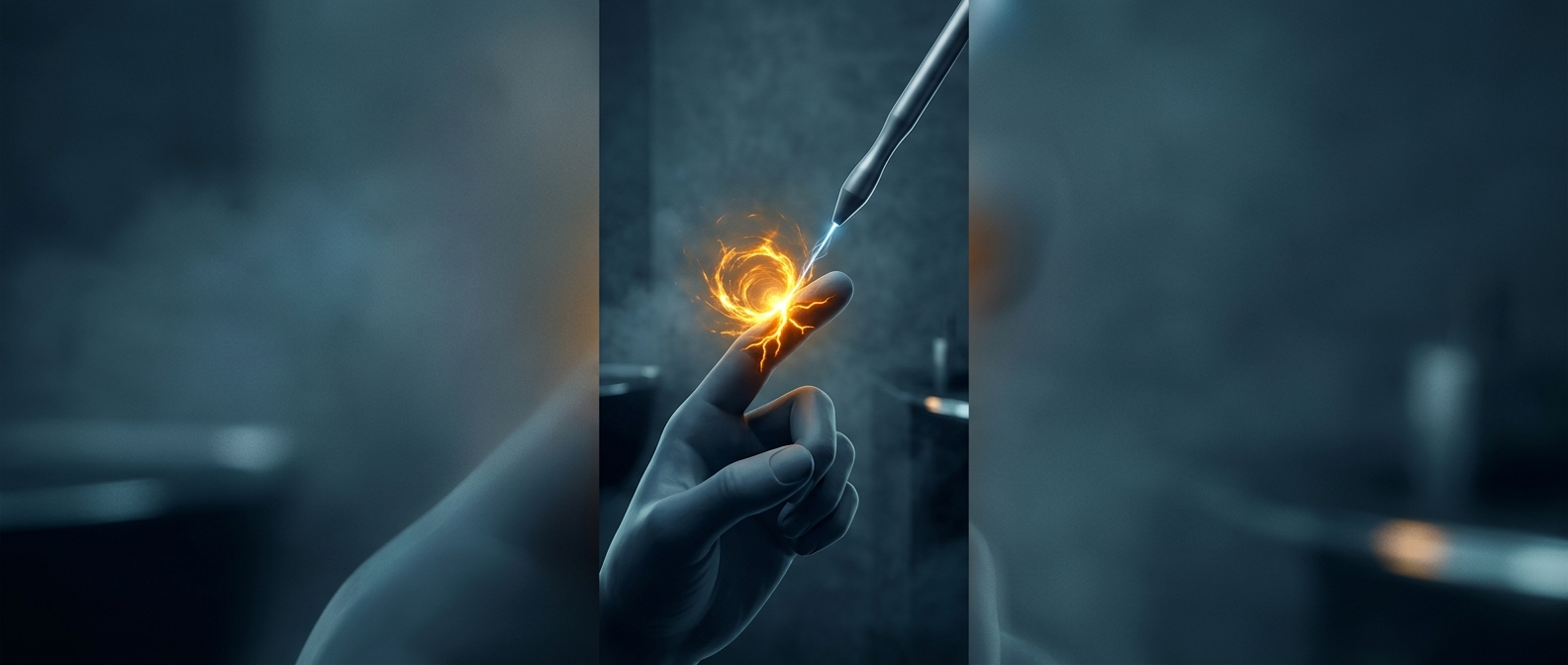
Why the styptic pencil stings
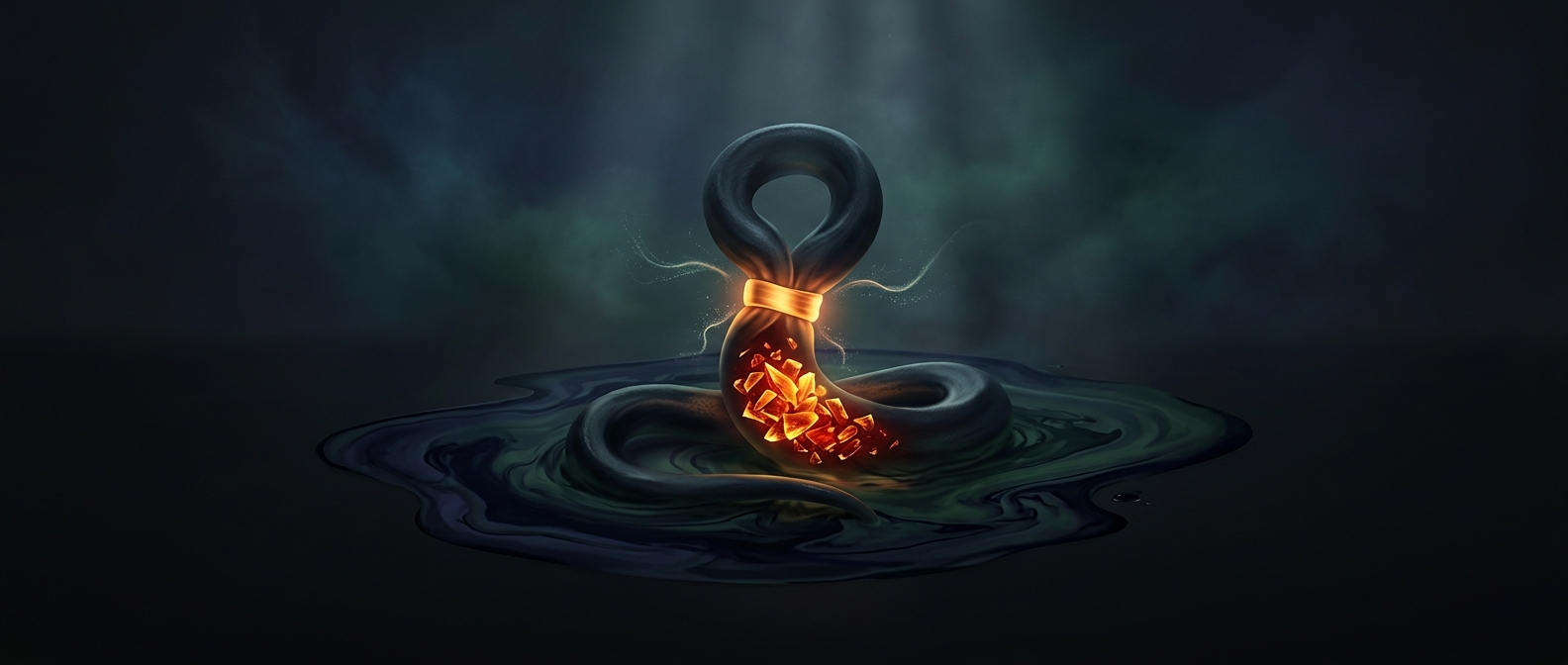
A shaving pencil is a small styptic—a product that helps slow minor bleeding. Its astringent ingredient makes proteins on the cut surface clump together and draws the tissue slightly tighter. That helps form a small plug over the break in the skin.
But the pencil has to reach the cut to do its job. The scrape or nick has disrupted the skin’s protective outer layer, leaving sensitive tissue and nerve endings more exposed than they are on intact skin. The concentrated astringent can irritate that area, producing a sharp sting that may feel out of proportion to the tiny wound.
The sting is part of the tradeoff
On unbroken skin, the same ingredient has much less access to sensitive tissue. On a fresh cut, it is applied directly where the skin is injured—and where the bleeding needs to be slowed. So the burn is not evidence that the pencil has made the cut larger; it is the sensation of an active ingredient meeting a vulnerable surface.
That makes the tool’s odd bargain easy to remember: it helps close a small leak, but the very spot it must touch is the spot most likely to sting.