How a small rights payment could carry a long tail
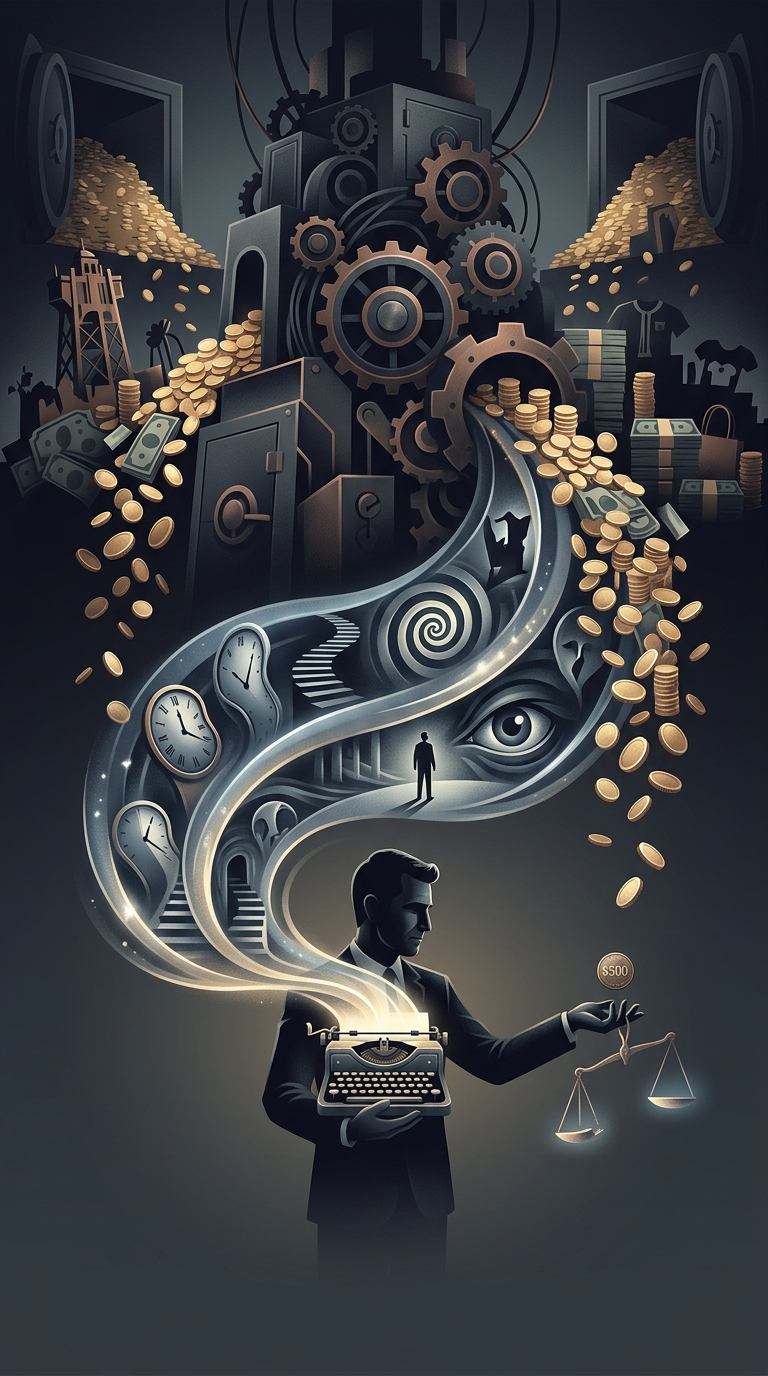
The crucial difference is between being paid to create a television series and owning what the series can earn later. A creator’s fee compensates the work; ownership of the underlying rights can bring a share of revenue whenever episodes are resold or the property is reused. The caption’s account of Rod Serling’s deal turns on that distinction: a modest payment in exchange for lasting control could mean giving up income that grows as a show finds new audiences.
Reruns turn a finished show into a continuing asset
An anthology series tells a different story each week, so episodes can often be repeated in many combinations without asking viewers to follow one long plot. That makes a completed season useful to broadcasters looking for ready-made programming. Each rerun can help fill a schedule, and the series’ name and recognizable ideas can also support merchandise or other licensed uses.
These are different kinds of value. Selling episodes for broadcast is syndication; licensing lets another company use protected elements—such as a title, characters, or imagery—for a separate product or attraction. A rights holder’s control determines who can approve those uses and who can receive payment under the relevant agreements.
The tradeoff is certainty now versus value later
For a creator, a one-time sale offers immediate, predictable money. Retaining rights may bring future income, but only if the show remains in demand and the owner can manage the agreements and opportunities. In the early life of a series, its later reach is difficult to know; decades of reruns and spin-offs can make an old contract look very different in retrospect.
That is why the reported payment matters less as a measure of what the show was worth at the time than as a reminder of what ownership controls. The lasting consequence of a rights sale is that future uses of a hit may keep benefiting the buyer long after the creator’s original work is done.