Science fiction gave Serling room to criticize power
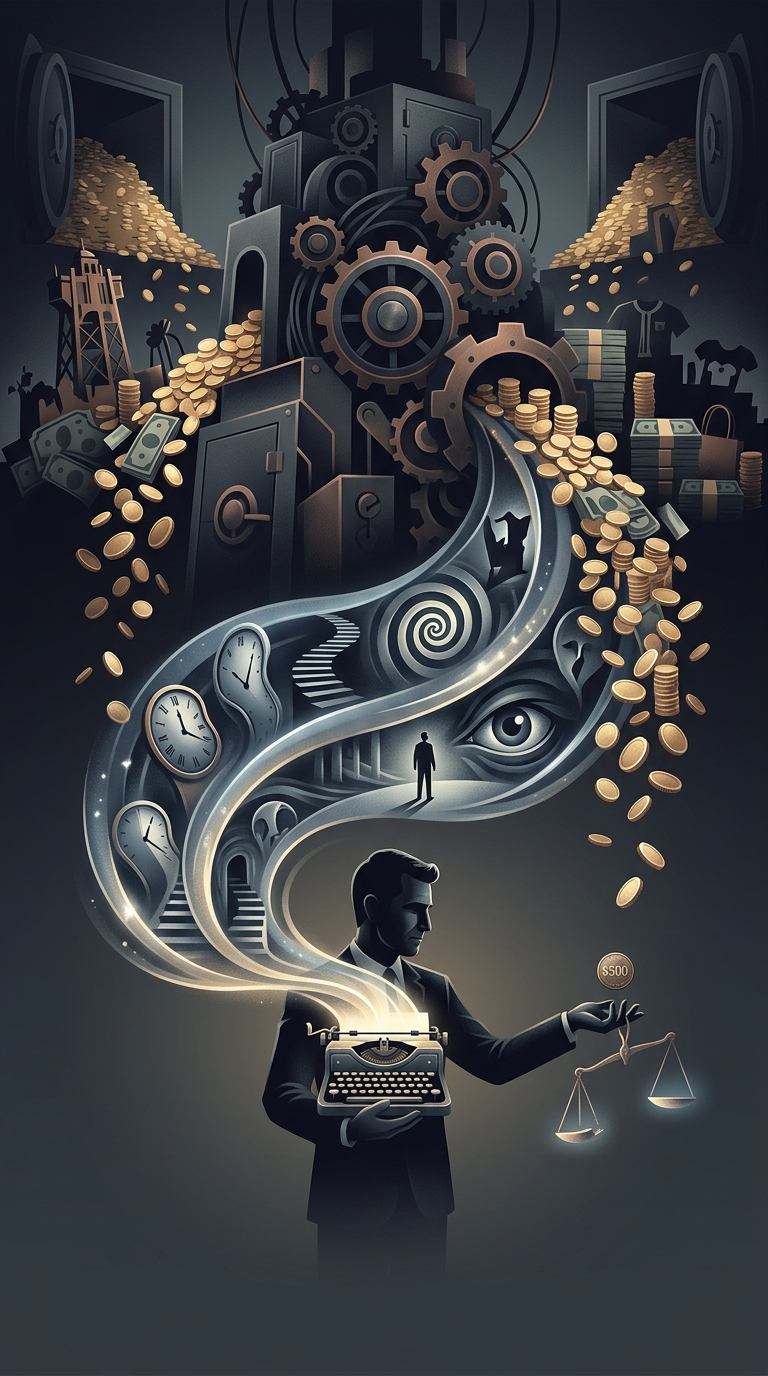
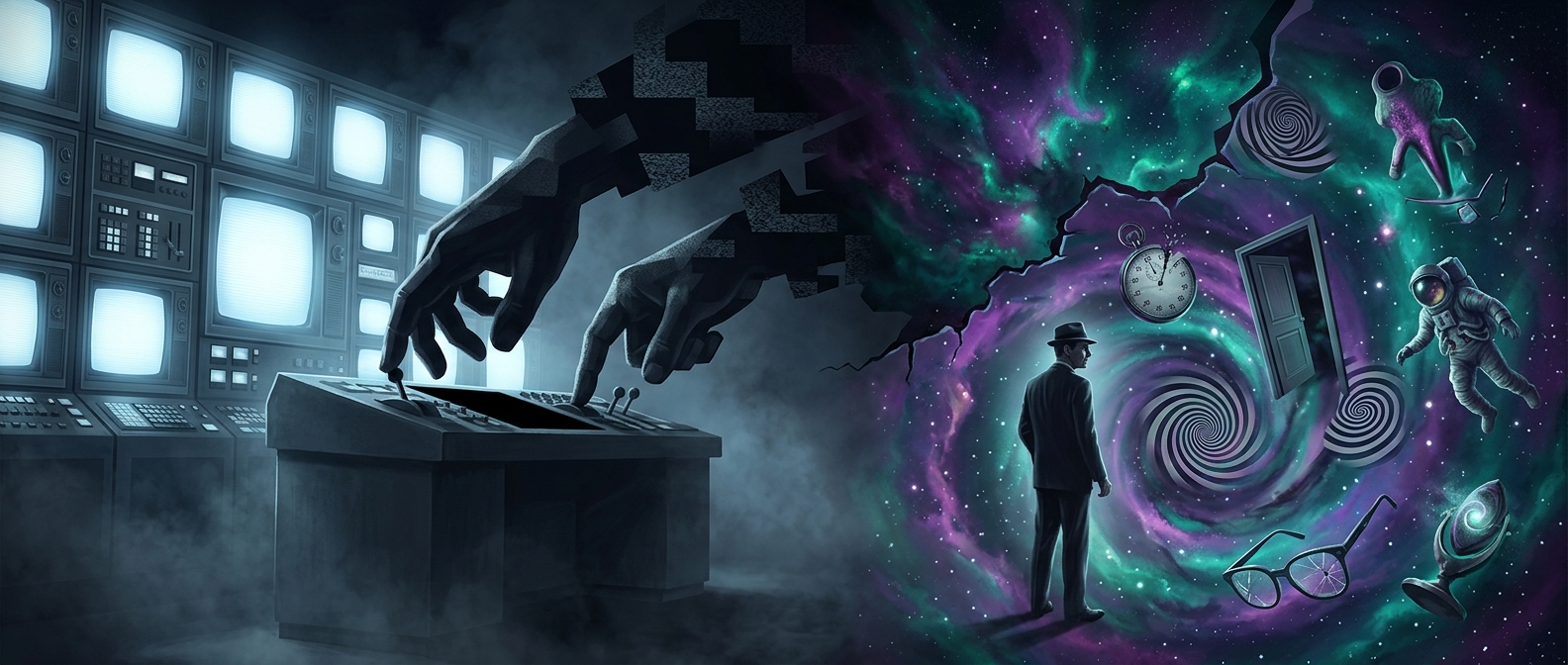
When a television script named a real institution, policy, or business interest, its criticism could be easy for network executives and advertisers to recognize—and remove. Rod Serling’s workaround was to shift the conflict into an invented world. A story about an alien society, a future technology, or an impossible social rule could examine the same human behavior without directly naming its real-world target.
That distance is a form of allegory: a fictional situation carries meaning about something beyond itself. Viewers could follow the immediate suspense while also recognizing a story about conformity, prejudice, war, or the pursuit of profit. The setting changed; the underlying pressure on people did not.
The disguise also made the criticism sharper
Science fiction was not just cover. By making familiar assumptions strange, it could show their consequences more starkly. A society organized around a disturbing rule, for instance, could make viewers ask why that rule felt acceptable when it appeared in ordinary life. Speculative settings also let a story imagine extreme outcomes that a realistic television drama might struggle to present.
The method had limits: a fictional setting could still communicate a pointed message, and it did not guarantee that every script escaped interference. But it gave Serling a way to keep social questions inside entertaining plots. The result was a kind of double reading: an episode could work as a strange tale on its own while quietly directing attention back to the world its audience already knew.