How incense smoke leaves a mark
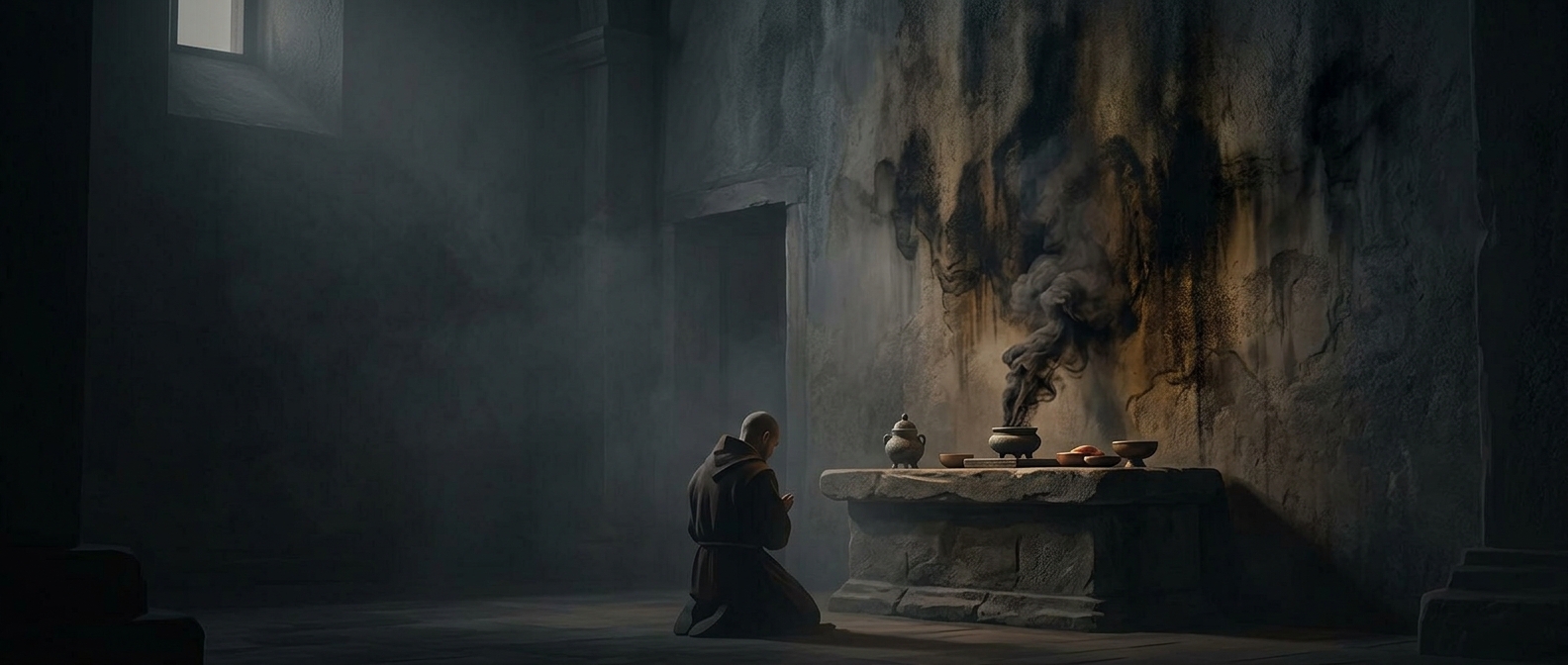
Incense does not vanish when its fragrance spreads through a room. Burning releases tiny particles of soot and other combustion products, along with oily compounds from the incense. As smoke drifts, some of that material settles on nearby surfaces. Repeated burning gradually builds a thin film that can make pale walls look gray or yellowed.
The residue is especially noticeable around the spot where incense is burned and on surfaces exposed to lingering smoke. Poor ventilation lets more particles remain suspended in the room and eventually settle; textured or porous paint can also hold residue more stubbornly than a smooth, sealed surface.
Why the discoloration can last
A light deposit may come off with careful cleaning, but an established stain can be difficult to remove. Scrubbing too hard may damage paint, while some residue can cling to or soak into the finish. In that sense, the discoloration can be effectively permanent: restoring the wall may require sealing the stained area and repainting rather than simply wiping it clean.
Burning incense near an open window and allowing smoke to escape reduces the amount that can accumulate indoors. The practical consequence is easy to miss at first: a pleasant scent can leave a lasting layer behind, even when the smoke itself has cleared.