How incense smoke can affect the lungs over time
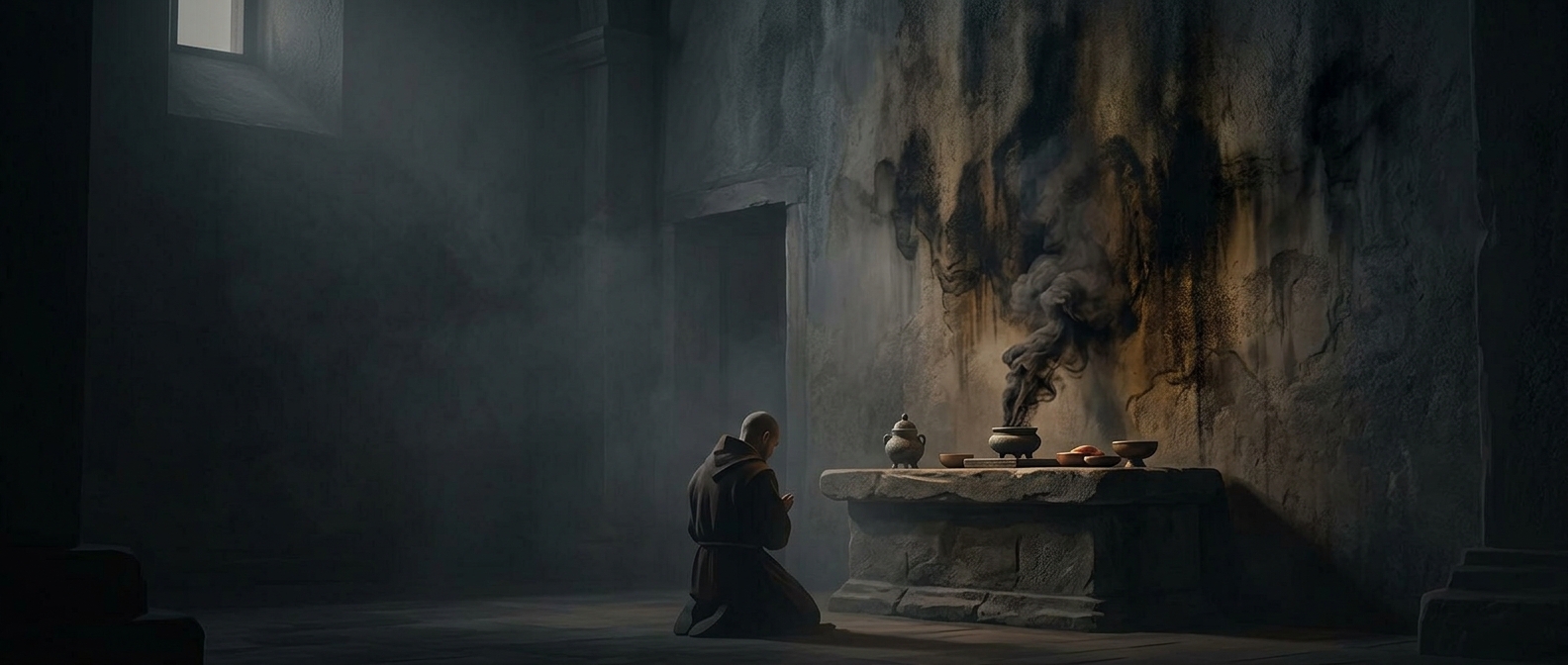
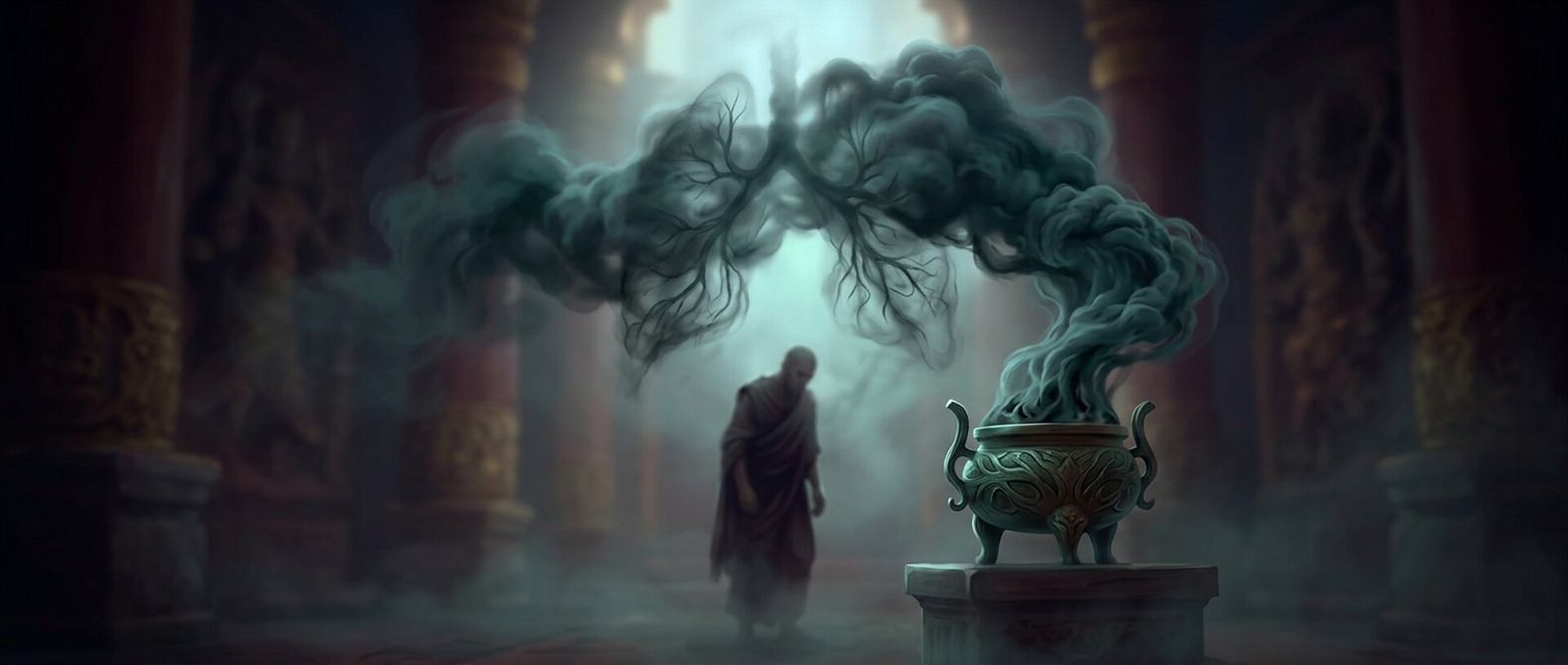
Incense releases fine particles and gases as it burns. In a small room with little fresh-air exchange, these emissions can build up in the air people breathe. Repeated exposure over years may irritate the airways and contribute to breathing problems, particularly for people who spend long periods near the smoke.
Why the building matters
Ventilation changes the dose: smoke that lingers in an enclosed worship space is inhaled repeatedly, while moving air can dilute and carry it away. The amount and duration of burning also matter. This helps explain why surveys of older clerics have found respiratory problems, including asthma, alongside contact dermatitis—skin inflammation that can follow repeated exposure to irritants or allergens.
Those findings describe an association, not proof that incense alone caused every illness. Clerics may encounter other indoor pollutants, and individual susceptibility varies. Still, the practical mechanism is straightforward: repeated smoke exposure can burden both the airways and, through settling particles or direct contact, the skin.
Reducing exposure without changing the ritual
Burning less incense, avoiding unnecessary proximity to the source, and improving air exchange can reduce the smoke people inhale. The key detail is cumulative: a brief service and decades of work in a poorly ventilated building are not the same exposure. For someone who spends years in that space, the room’s airflow can become part of the health story.