A body linked to the heavens
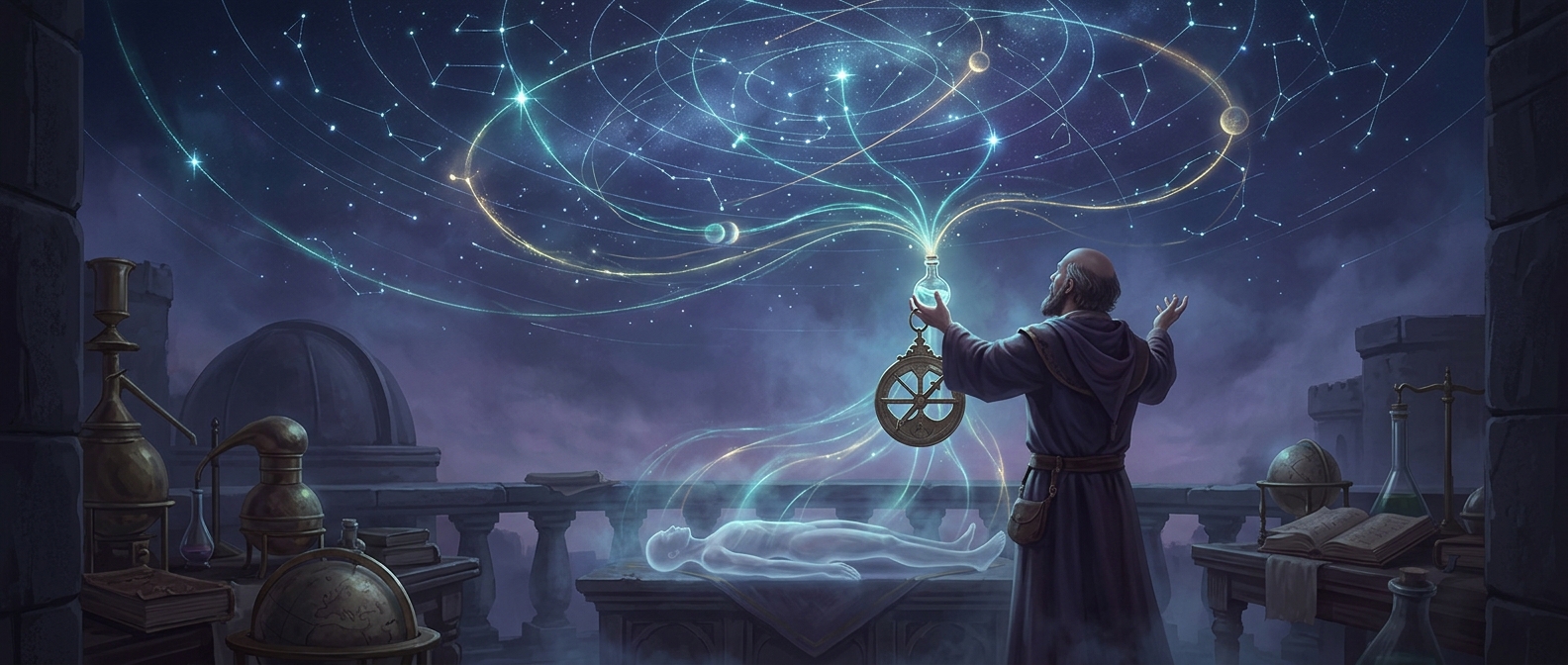
Paracelsus, a sixteenth-century physician and alchemist, saw the human body as part of a larger, ordered universe. In the medical thinking of his era, the stars and planets could influence earthly life, including health. The body was not isolated from the sky: celestial forces could help shape illness, while remedies drawn from nature might counter it.
Calling this influence “magnetic” can mislead modern readers. Paracelsus was not describing magnetism as physics defines it today. He used ideas about attraction and hidden natural powers to explain how distant forces might act on bodies and medicines.
Minerals as active remedies
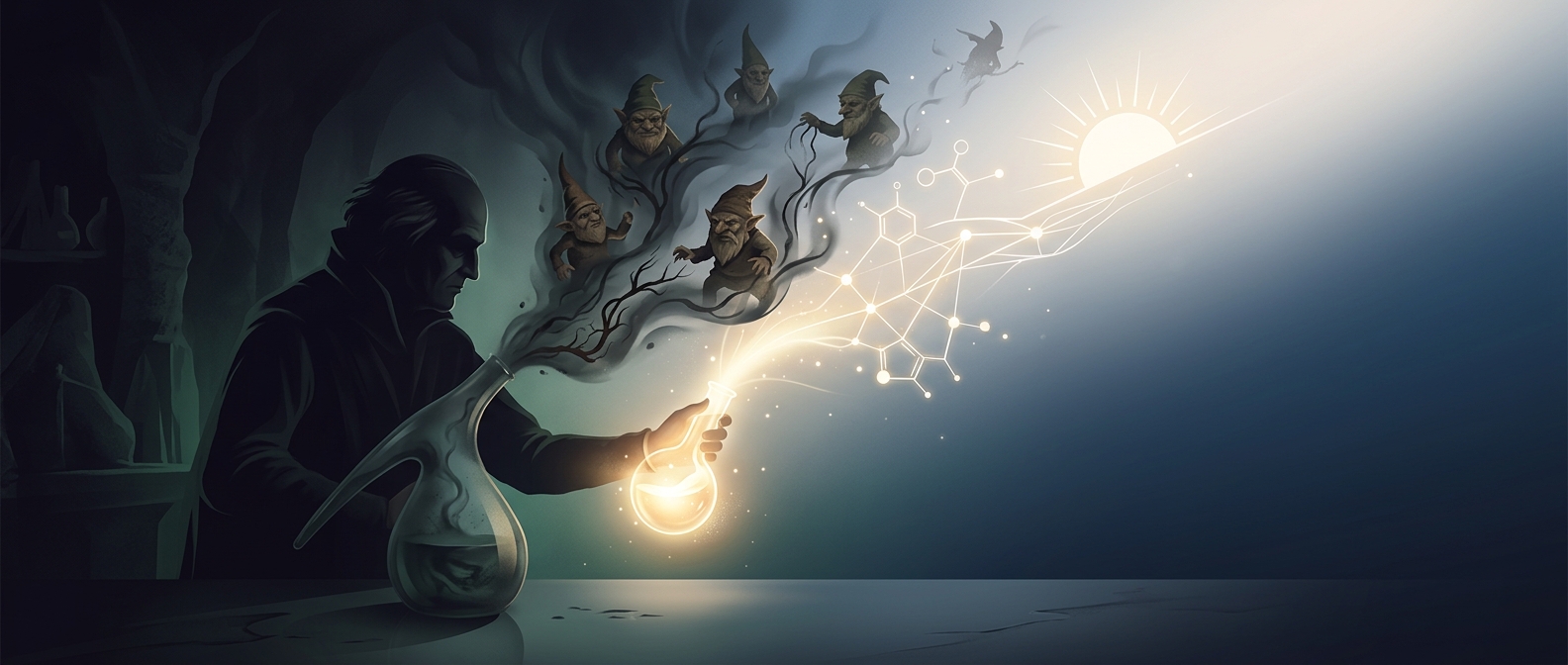
This view encouraged Paracelsus to look beyond inherited medical authorities and treat substances such as minerals as potent medicines. He believed that a remedy’s properties could be matched to a disease, and that alchemical preparation could separate or concentrate the useful part of a material. Alchemy here meant a mix of practical work with substances and theories about nature’s hidden structure—not simply an attempt to make gold.
Some mineral treatments may have had real effects because of their chemical action, even when the explanation attached to them was celestial or magical. That did not make them reliably safe: minerals can also harm the body, and a treatment’s outcome depended on the substance and how it was used.
A new kind of medical challenge
Paracelsus’s importance lies partly in the challenge he posed to medicine built chiefly on ancient texts. He urged physicians to learn from nature and from working with remedies, while placing that practical attention inside a cosmic theory that modern medicine does not accept. His legacy therefore holds two ideas together: a push to investigate what substances actually do, and an explanation of their powers through the stars.