What Burning Frankincense Puts Into a Room
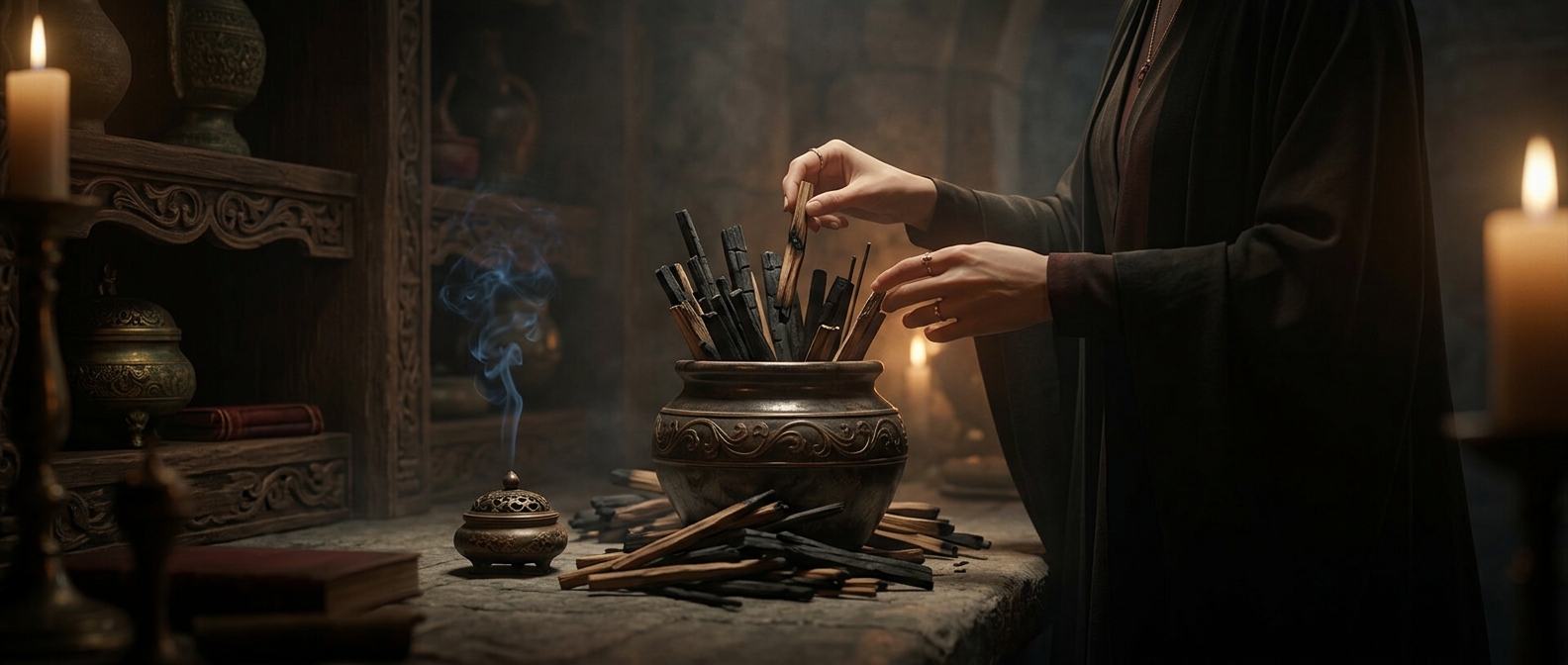
Frankincense is aromatic tree resin. When it smolders on charcoal or another heat source, the resin does not simply evaporate into a harmless scent: some of its organic material burns incompletely, producing a mixture of gases and airborne particles. The amount and composition can vary with the resin, burner, and room conditions, but indoor measurements have found that pollution can rise substantially during burning.
Why the Particles Matter
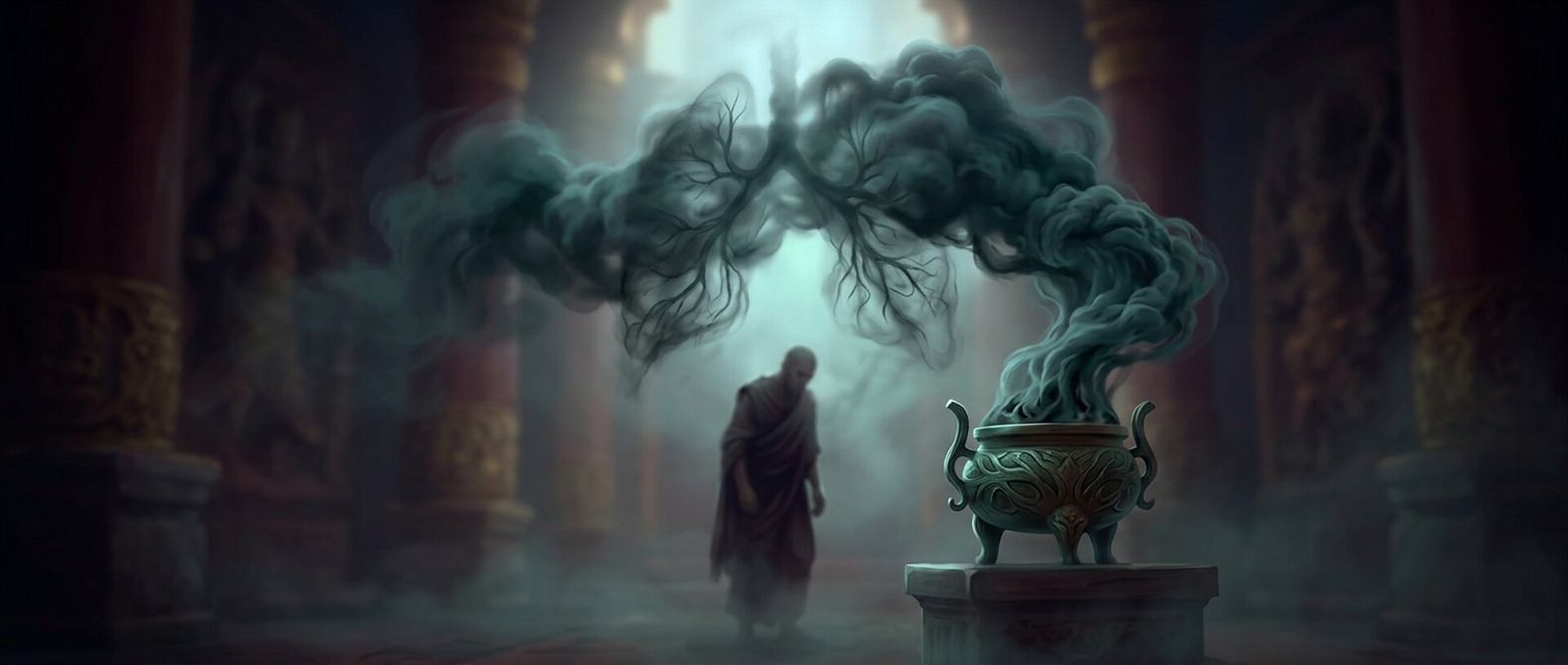
Particulate matter is a catch-all term for tiny suspended particles. The smallest can travel deep into the lungs when inhaled. Frankincense smoke can also contain polycyclic aromatic hydrocarbons, or PAHs—a family of chemicals formed when carbon-rich materials burn without being fully consumed. These pollutants are not unique to incense, but smoke released inside a room can accumulate rather than disperse quickly, especially when ventilation is limited.
The smell can make the smoke seem gentle, yet fragrance is not a reliable measure of what is in the air. A room may smell pleasant while still containing fine particles that are difficult to see.
The Room Is Part of the Exposure
Burning less resin, shortening the session, and allowing smoke to escape outdoors can reduce how much accumulates indoors; simply moving the burner farther away does not remove pollution from the room. The practical tradeoff is clearest in a small or poorly ventilated space: a brief ritual can leave an invisible residue in the air after the visible smoke has faded.