Why a tissue can feel too conspicuous on a Japanese train
In Japan, the difference is less about whether someone has a runny nose than about how loudly they manage it around other people. A sharp nose-blow is an abrupt, hard-to-ignore sound in a quiet shared space. Sniffing may be uncomfortable, but it is often treated as the less disruptive way to get through the moment.
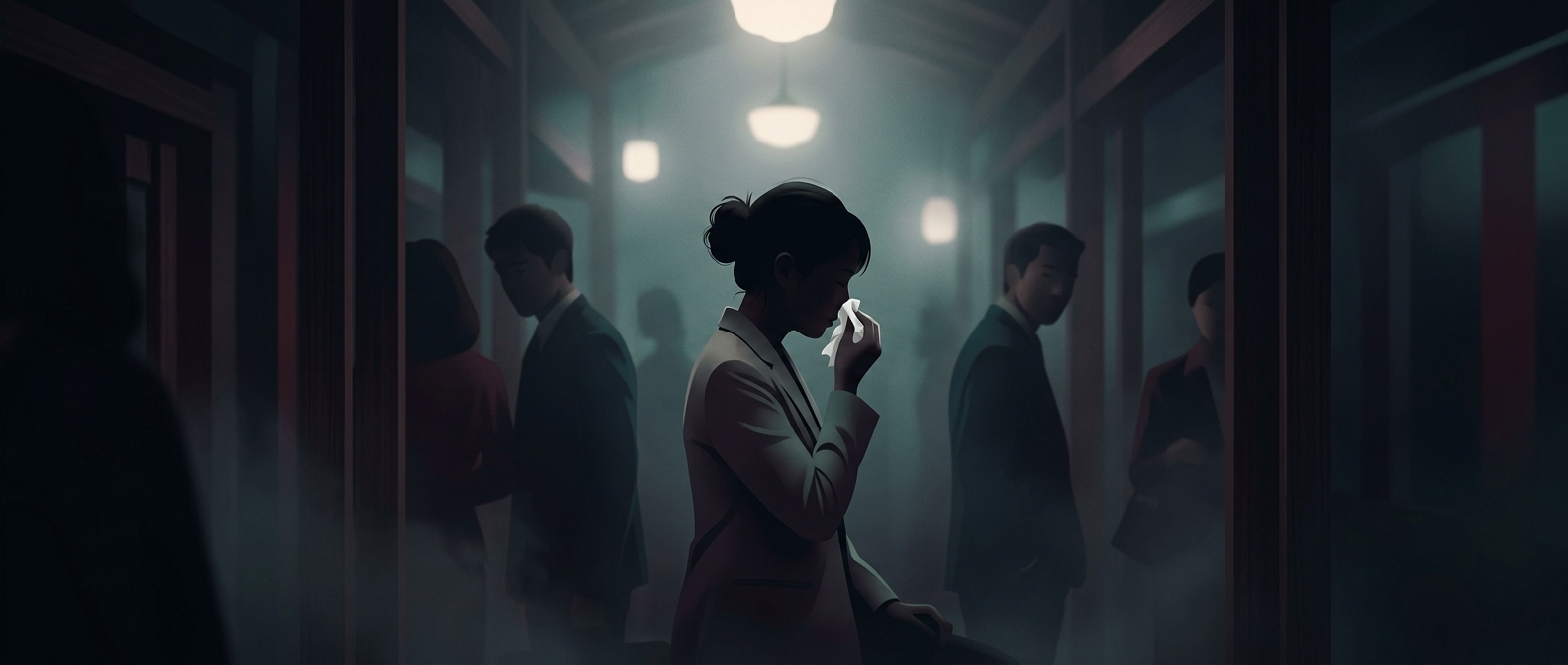
That distinction is especially noticeable on trains, where passengers sit or stand close together and many people keep conversations and phone calls subdued. A loud bodily sound can draw attention to the person making it and interrupt the calm others are trying to maintain.
Step away, then use a tissue
The expectation is not that someone should avoid blowing their nose altogether. Rather, they may wait until they can move to a restroom or another less crowded spot, then use a tissue. Stepping away reduces the chance of making the act a performance for nearby strangers—and gives the person more privacy, too.
This reflects a broader etiquette preference for handling personal needs without imposing them on a shared setting. It is a social convention, not a rule followed identically by every person in Japan; circumstances such as illness or a crowded station can make stepping away impractical.
The practical takeaway for a visitor is simple: if you need to blow your nose, look for a little privacy instead of doing it loudly beside other passengers. In a quiet carriage, that small change can matter more than the sniffle you were trying to stop.