Why a snack may come with a pause
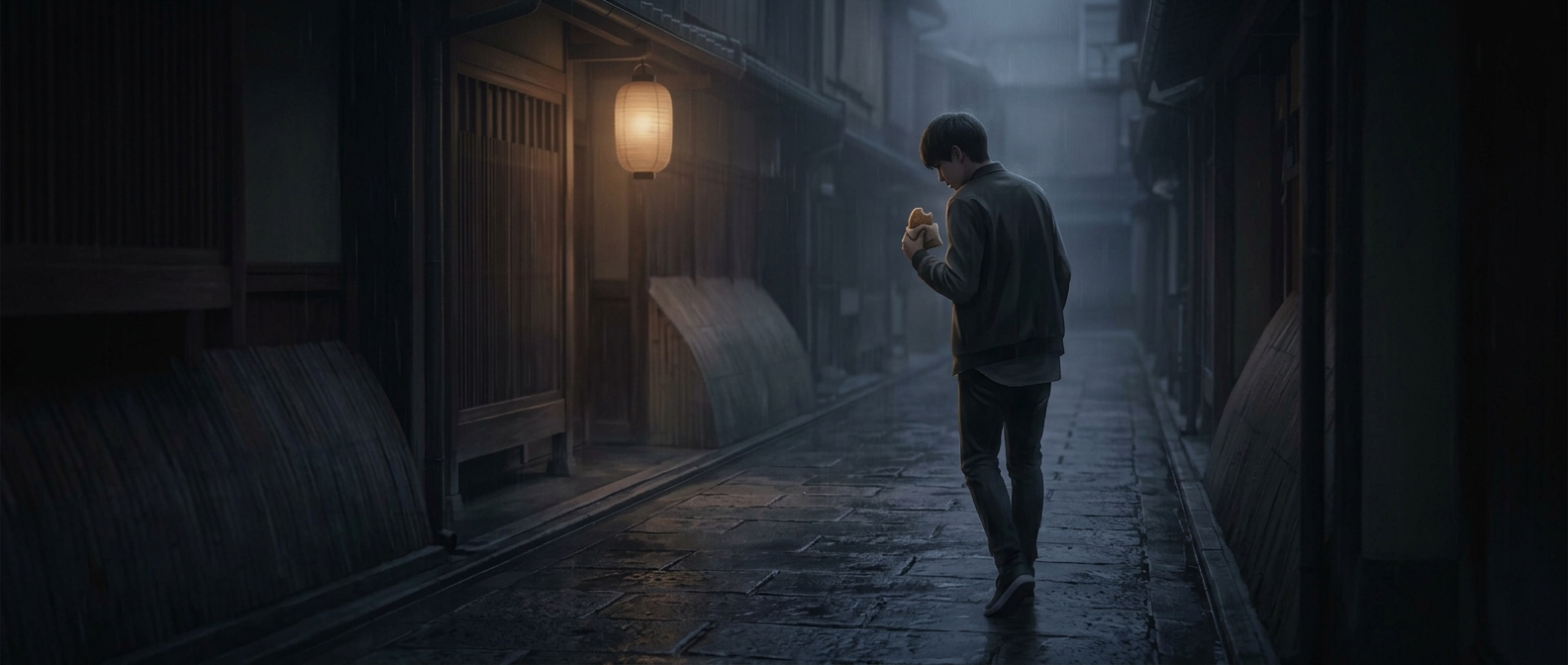
Eating on the move can be awkward in a crowded Japanese shopping street: a person has less control over where crumbs, wrappers, or spills go, and may bump into others while handling food. Pausing to eat keeps the snack—and its packaging—contained instead of turning a busy walkway into a dining area.
That practical concern fits a broader expectation that people should avoid inconveniencing those around them. The custom is not a universal ban, nor does it mean people never eat outdoors. Its force depends on the setting, the food, and local expectations.
Where the setting changes the etiquette
At festivals and other places with food stalls, eating nearby is part of the experience; vendors may provide a place to stop. In ordinary public areas, people often look for a spot out of the flow of foot traffic. Trains also vary: a quick snack on a crowded commuter train may feel intrusive, while eating on a long-distance train is more customary.
The useful distinction is less “indoors versus outdoors” than whether eating disrupts a shared space. A small pause beside a vending machine or food stall lets someone finish without making other pedestrians navigate around a moving meal.