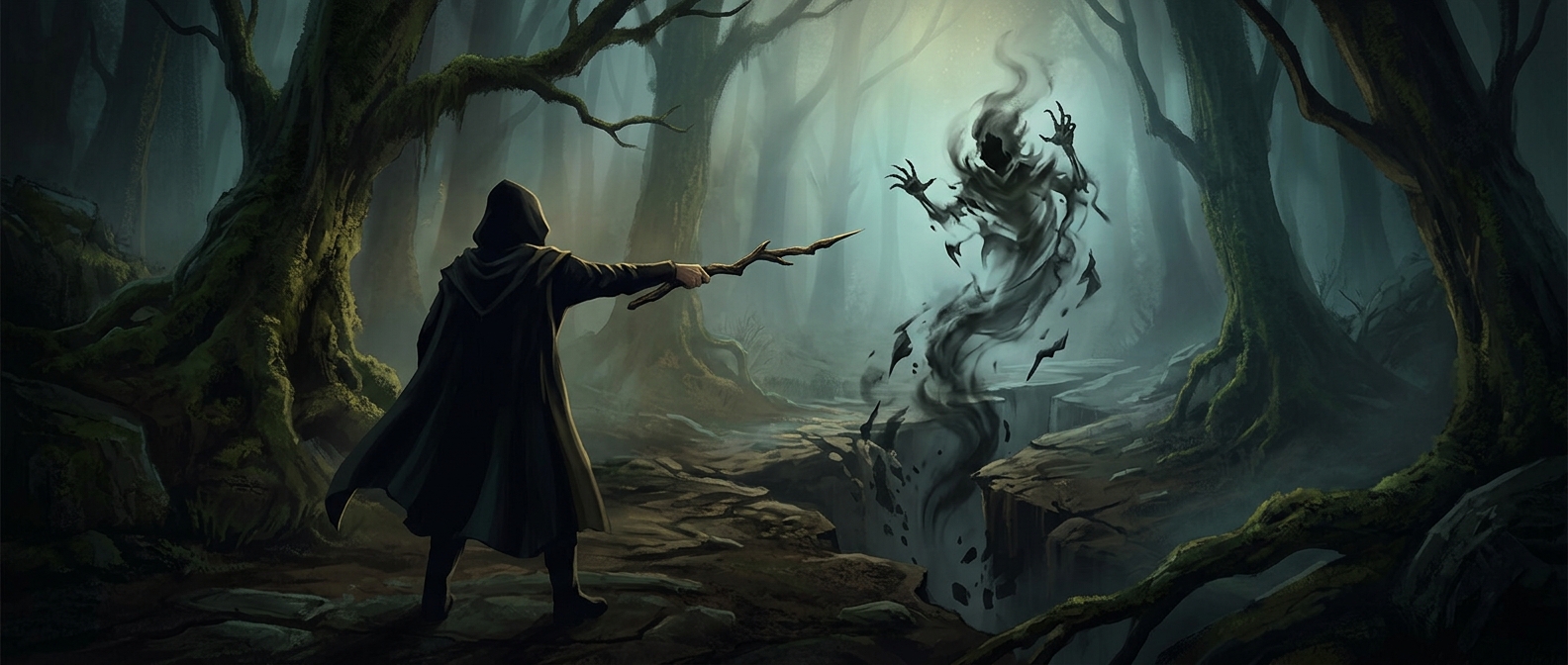
Why a Pointed Stick Can Feel Like a Threat
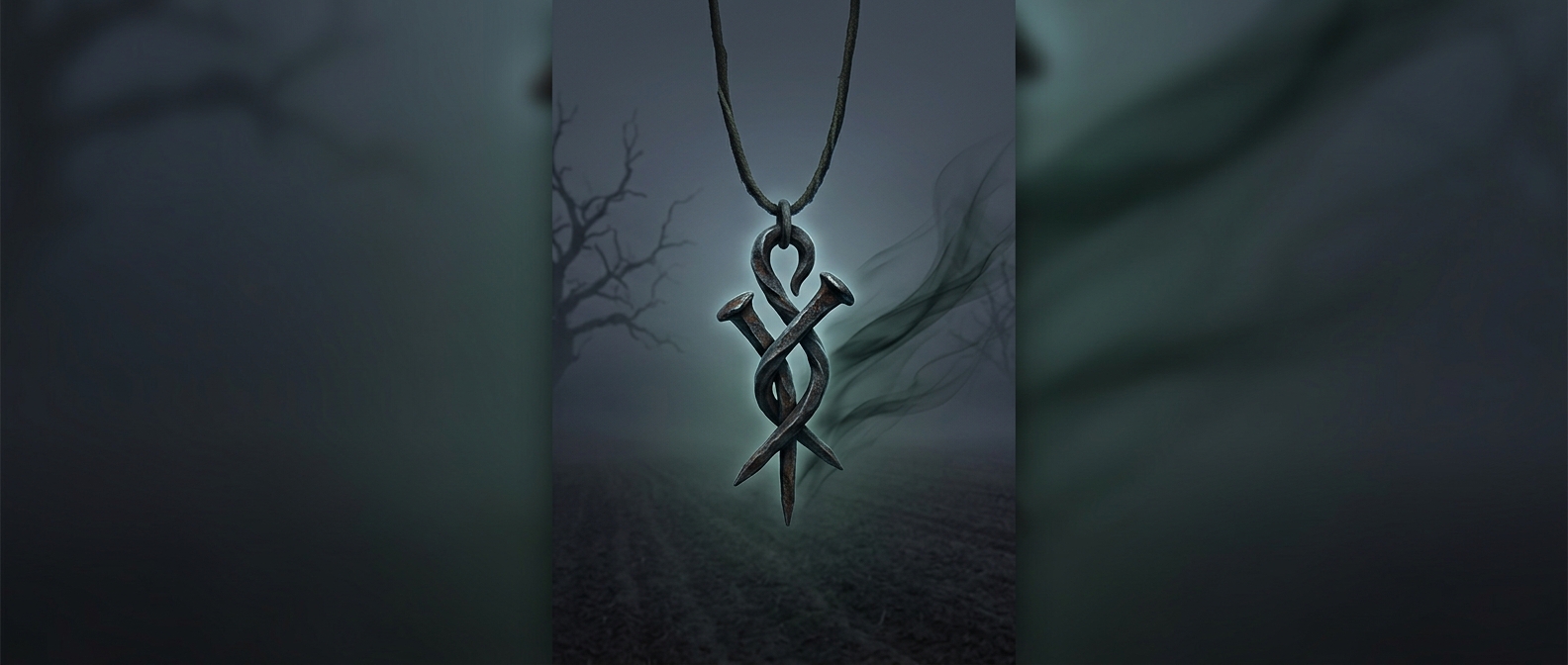
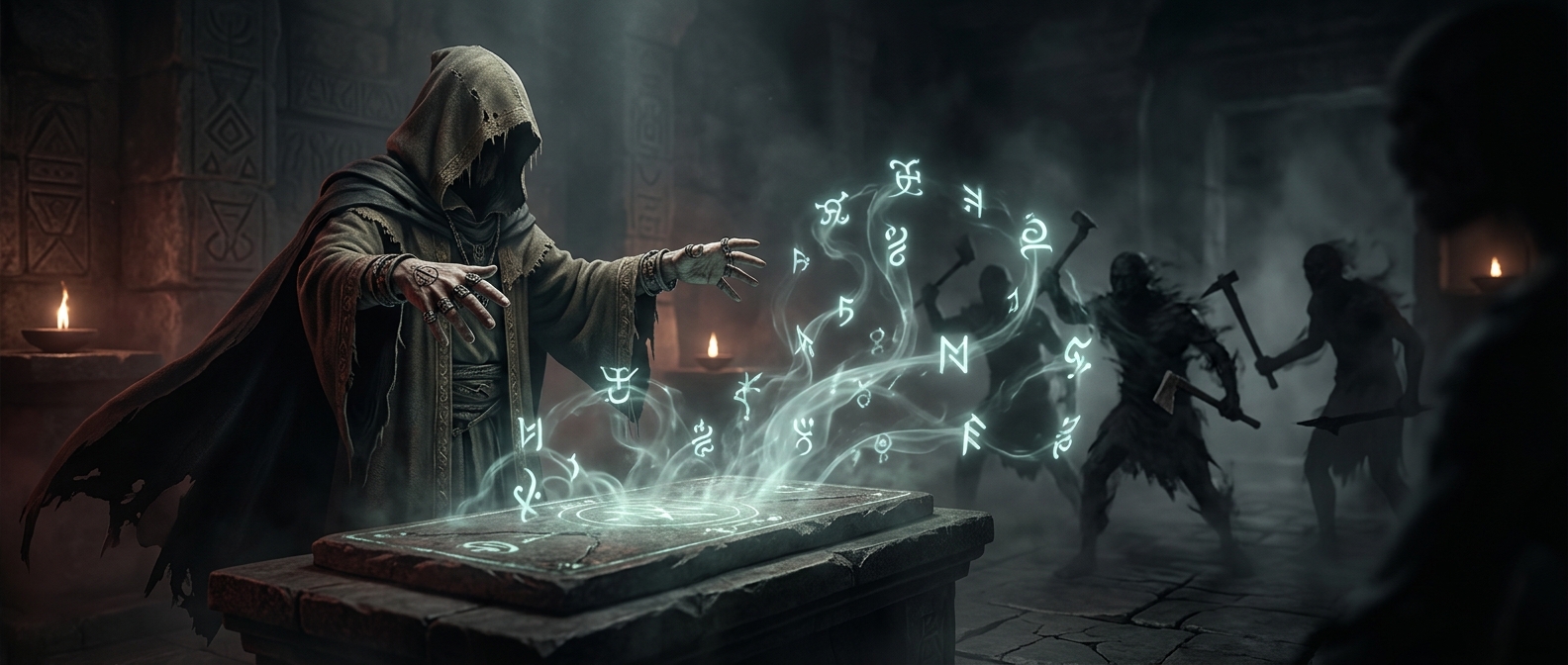
In traditions that treat a pointed stick and chant as a curse, the object is more than a piece of wood: it is a visible sign that someone has been singled out. The chant gives the gesture a script and a sense of completion. To people who share the belief, the act can make an invisible danger feel immediate and personal.
That meaning depends on the community around the ritual. If a target has learned that a curse can bring harm—and sees others take the threat seriously—the gesture may provoke genuine terror. The belief is culturally real even though the ritual itself does not demonstrate supernatural power.
How Fear Can Affect the Body
A frightening threat can trigger a strong stress response: a racing heart, tense muscles, dizziness, or trouble thinking clearly. In some circumstances, intense fear can also contribute to fainting. That physical reaction does not prove a curse has taken effect; it shows how strongly expectation and alarm can affect the body.
The striking force of the ritual, then, lies in the meeting of symbol and belief. A pointed stick is simple, but when a community has taught someone what it signifies, the gesture can turn fear into a bodily experience.