When a Landscape Refuses to Answer
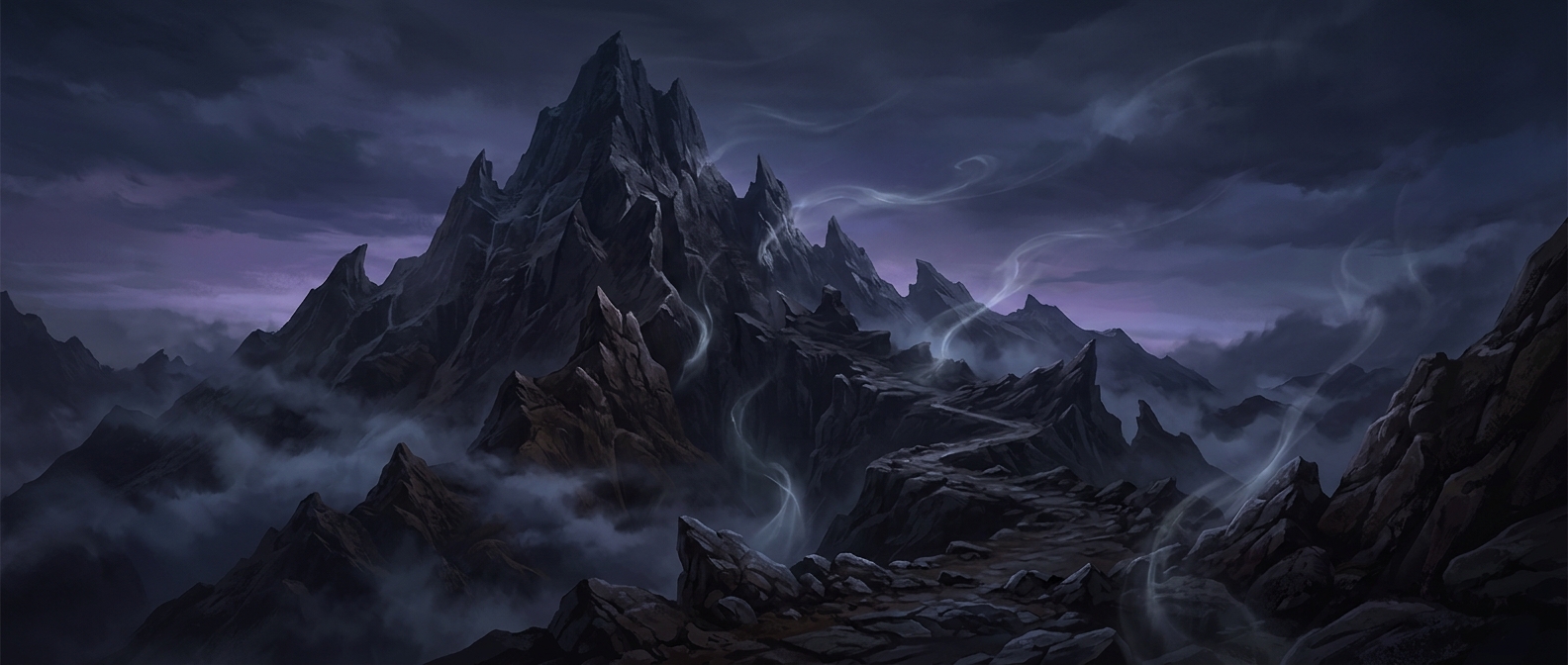
In these legends, the mountain’s silence is not just an eerie setting. It is the shape the betrayal takes. A broken friendship or blood oath should have bound people together; instead, the story imagines a place where nothing answers—not a bird, not a traveler’s call, not even an echo.
That missing reply turns a familiar natural effect into a moral sign. An echo can make a voice seem returned by the landscape. When it fails to come, the mountain feels as though it has withdrawn from human company, preserving the offense rather than letting it fade.
Why the Wind Whispers
Whispering wind offers a pointed contrast: the mountain is not wholly mute, but its only voice is too faint to become a clear response. The image makes the place feel watchful and unsettled. Travelers may speak, yet the landscape gives back no words they can understand.
The legend’s force comes from treating ordinary sounds as part of a story about trust. Quiet patches, weak echoes, or wind moving through uneven terrain can shape what a person hears; the tale gives those impressions a human cause and consequence. It does not need to specify how the betrayal happened. The silence itself becomes the lasting mark.
A Curse Made Audible
By linking the absence of birds and echoes to a broken bond, the story turns a remote mountain into a warning: betrayal can estrange people from one another so completely that even the world seems to stop responding. The detail worth carrying away is not simply that the mountain is quiet, but that its silence is imagined as a relationship that has been broken.