A curse could be a private bid for justice
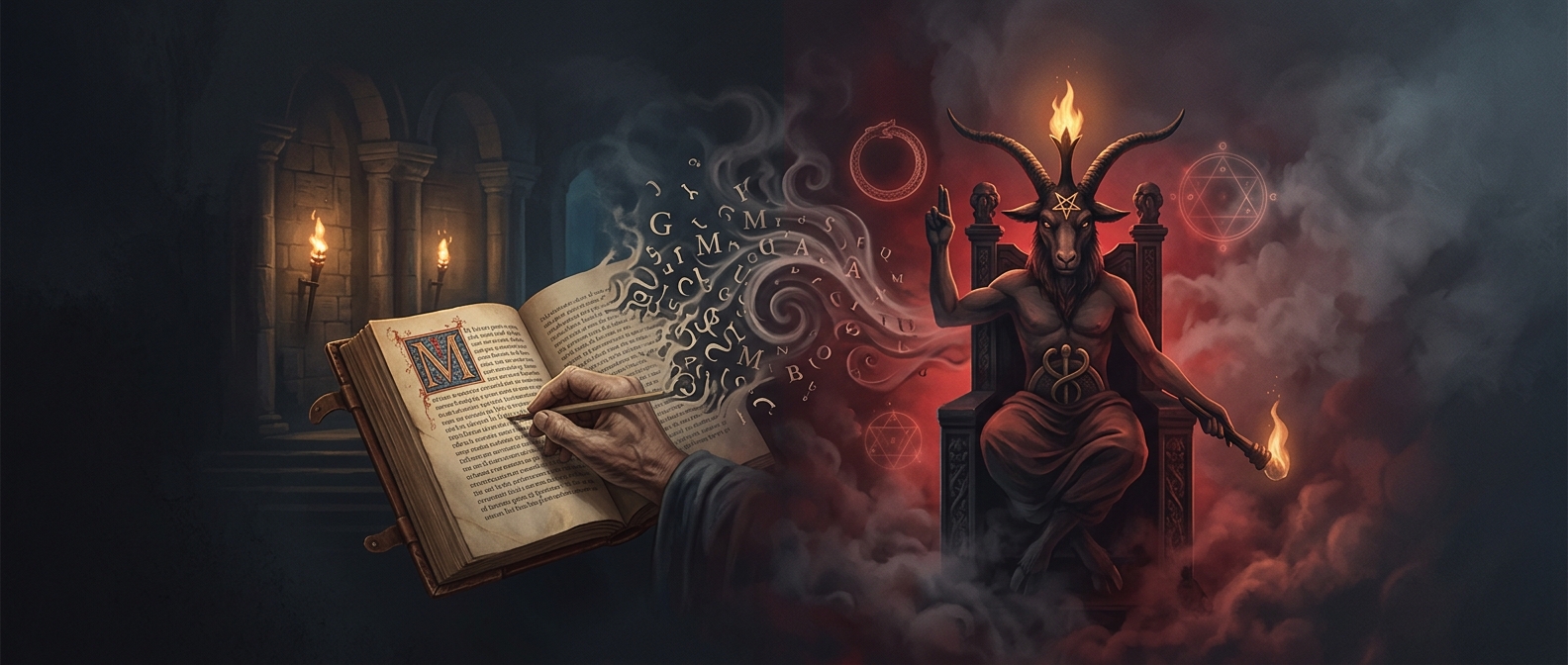
In the ancient Mediterranean, people sometimes turned to curses when they wanted an opponent punished, restrained, or disadvantaged. A common form was a curse tablet: a short message scratched onto a thin sheet of lead, often naming a person and asking divine powers to act against them. The tablets are known by the Latin term defixiones, from a word meaning “to bind.”
This was not a replacement for courts. Curses existed alongside legal systems, and some surviving examples involve people trying to influence the outcome of a lawsuit. Others target rivals in business, sport, or personal disputes. The appeal was different from bringing a case before human authorities: a petitioner could ask for hidden, supernatural enforcement when they felt wronged or wanted an advantage.
How the message was meant to work
The writer might list a target’s body parts, abilities, or actions and ask that they be “bound”—for example, that a rival could not speak effectively or perform well. The tablet could then be folded or pierced and placed in a location thought to connect it with divine powers, such as a grave or a well. The act combined a written demand with a ritual delivery; it was not simply a threat sent to the target.
The comparison to a cease-and-desist letter captures the urge to make an adversary stop, but misses the crucial difference: a curse appealed to supernatural force, not a recognized legal process. Its surviving tablets show how people could pursue a private remedy even when they also lived in societies with courts and laws.