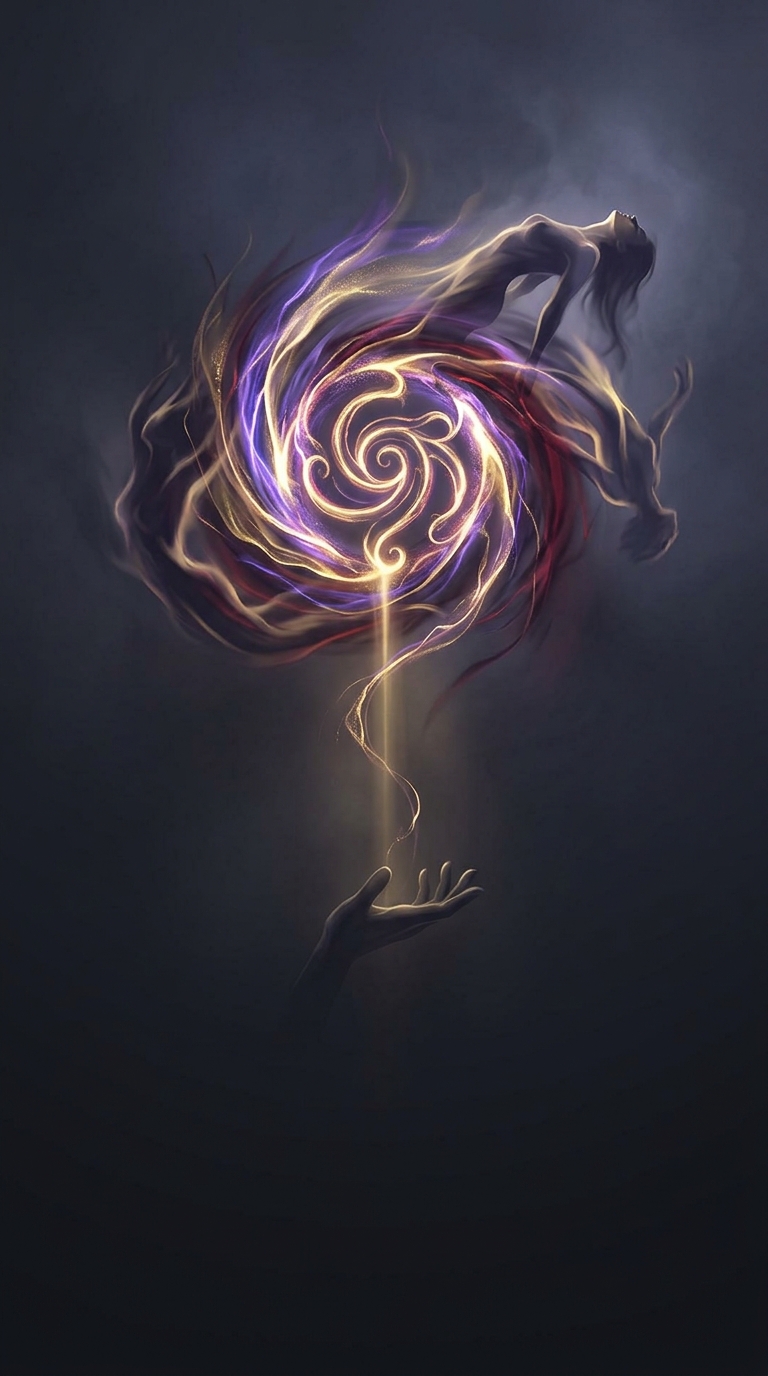
How a Desire Became a Sigil
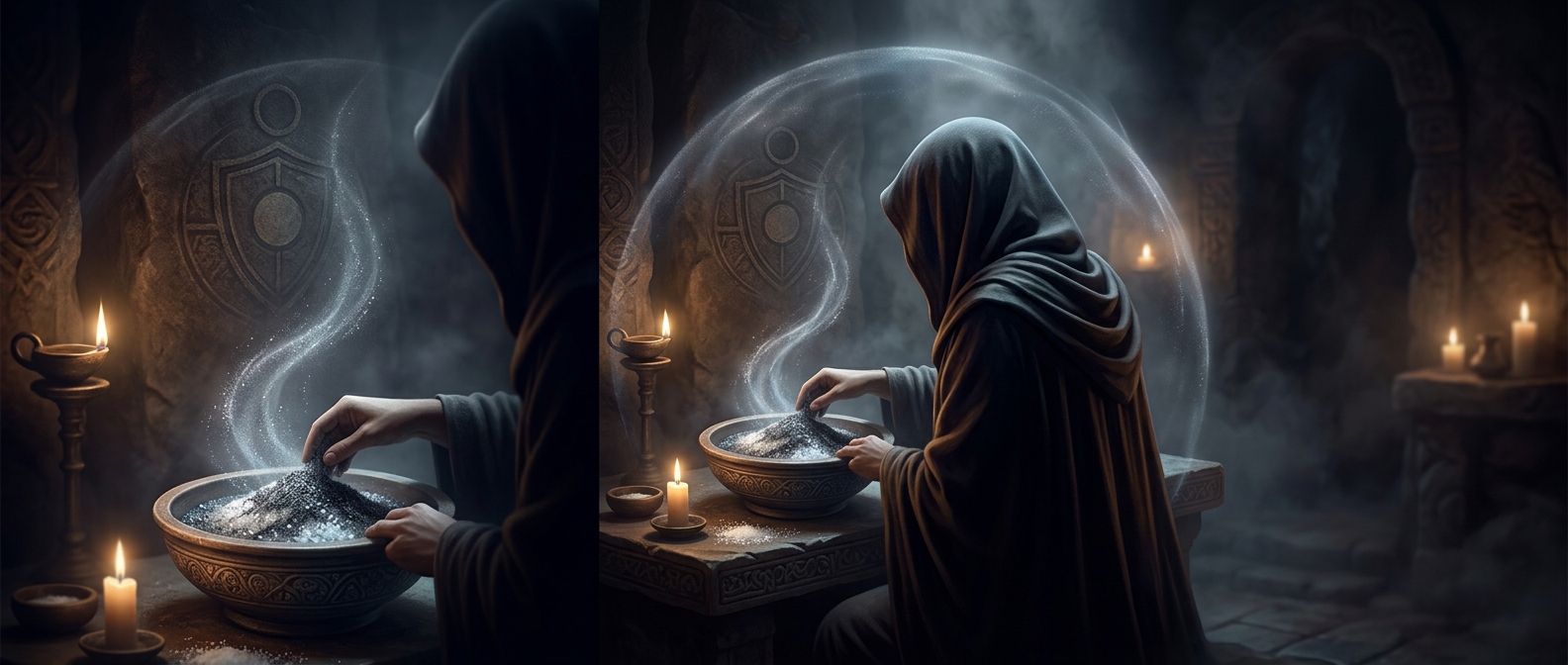
Austin Osman Spare, a British artist and occult thinker, devised sigil magic as a way to turn a private wish into a symbol. A practitioner writes the desire as a short statement, removes repeated letters, and rearranges what remains into a design. The result is not meant to read like ordinary writing; it is a compact mark that can be contemplated without immediately recalling the original sentence.
That transformation mattered because Spare believed the conscious, reasoning mind could interfere with magical intention. In his account, once a wish had been converted into a sigil, the practitioner could set aside its literal wording and let the symbol work on a less deliberate level. This is an occult theory, not a demonstrated psychological or supernatural mechanism.
Why Intensity Entered the Practice
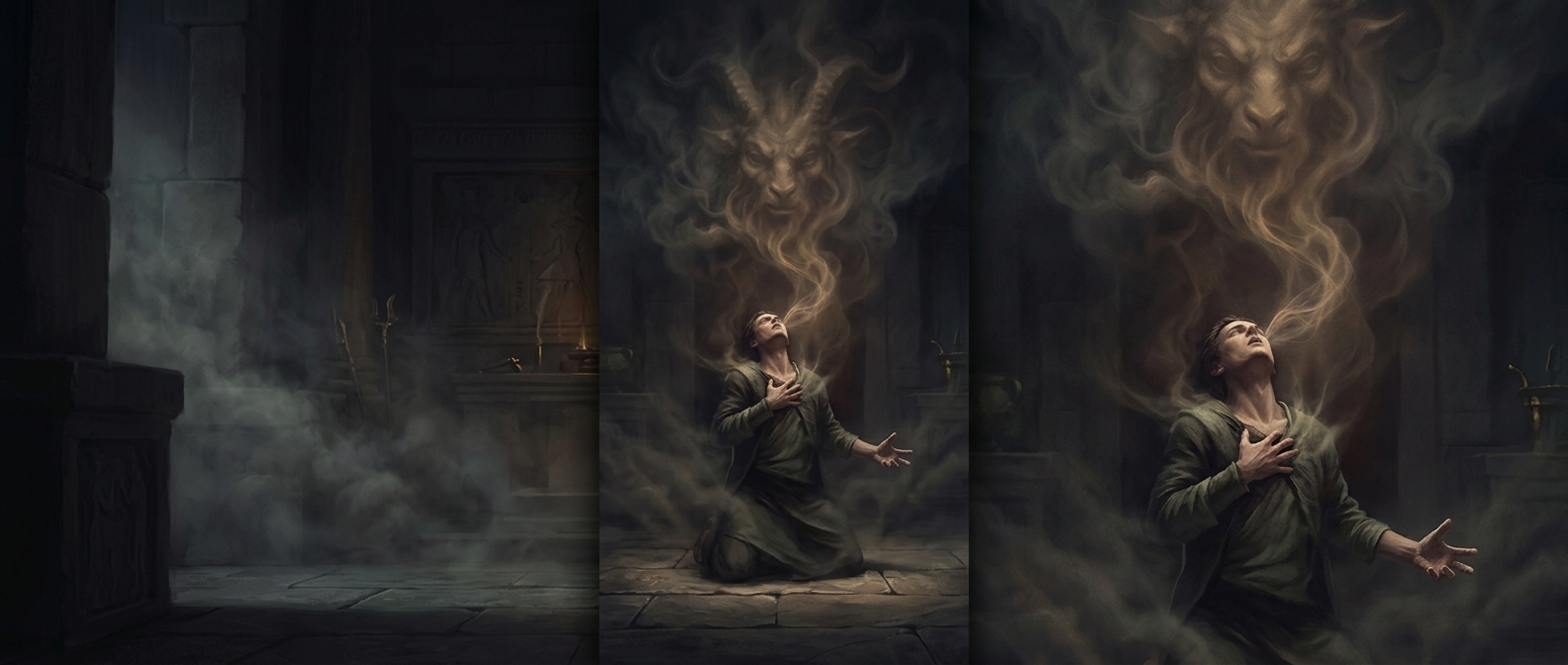
Spare’s method linked the sigil to a moment when ordinary conscious attention was thought to loosen. Practitioners might focus on the symbol during exhaustion, intense concentration, or orgasm. Sexual arousal was therefore one possible technique, not the definition of sigil magic itself. In the practice’s own logic, the heightened state helped lodge the intention while bypassing the mind’s tendency to analyze, doubt, or keep repeating the wish in words.
The sequence is simple but distinctive: state the desire, compress it into a new visual form, then engage with that form in an altered or intensely focused state. The sigil’s strangeness helps separate it from everyday language, making the practitioner’s attention rest on a mark rather than on a familiar sentence. The central idea is not that the symbol contains a readable spell, but that reshaping the wish changes how the practitioner attends to it.