What Crowley’s Paris ritual was meant to do
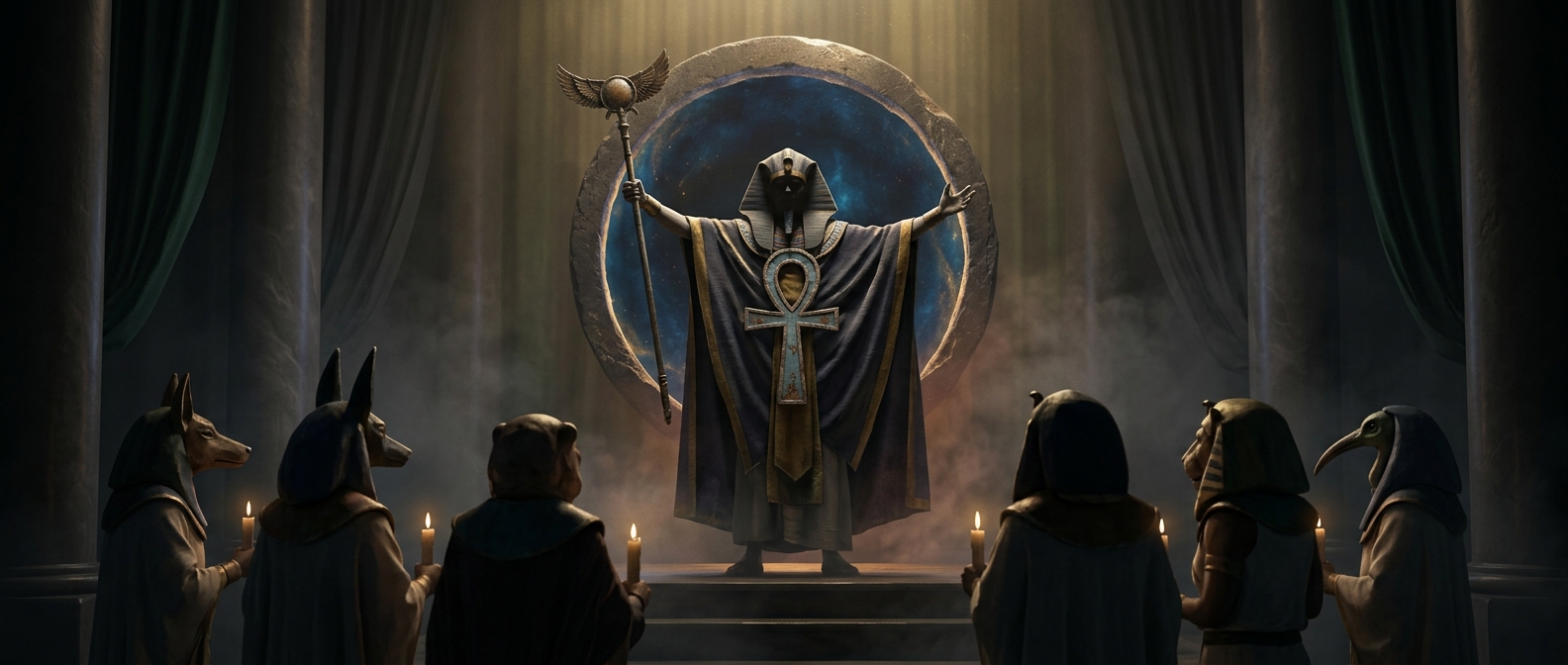
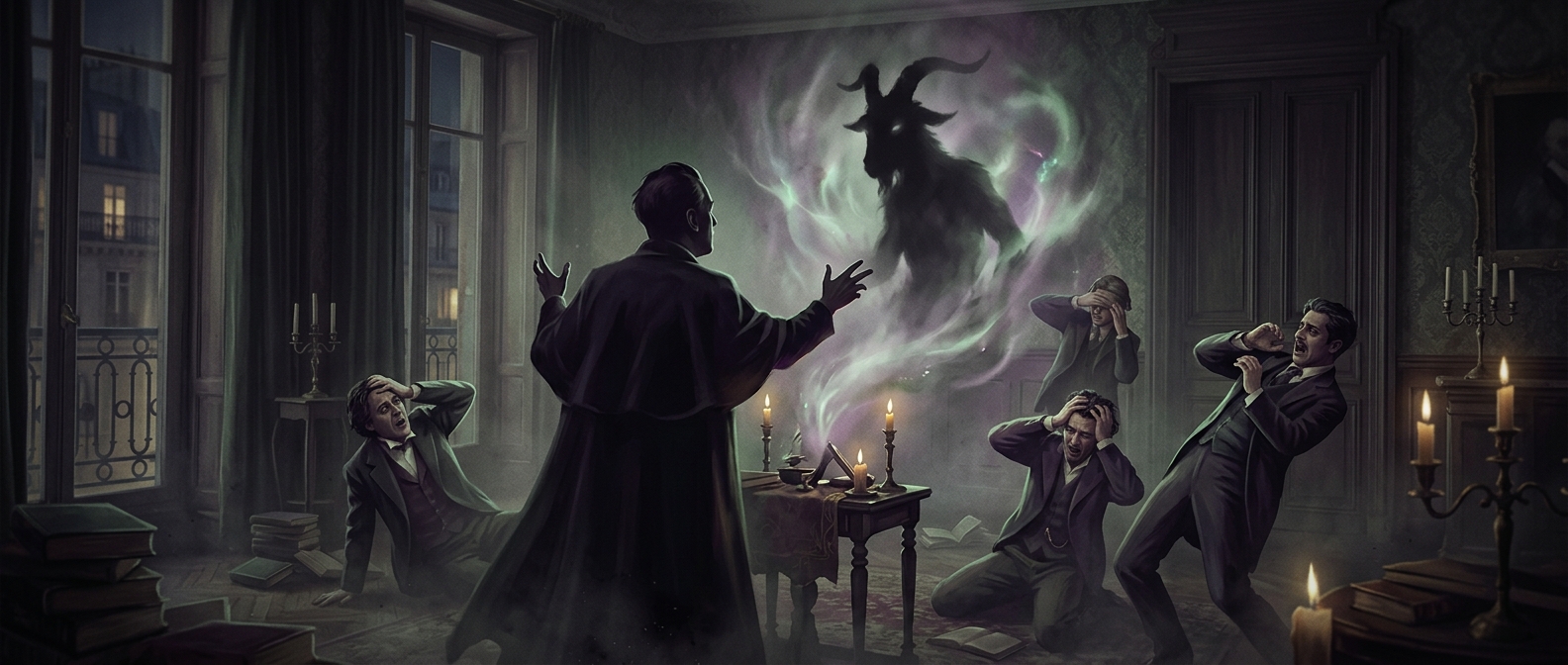
In 1913, Aleister Crowley and associates undertook rituals intended to invoke Pan, the ancient Greek god associated with untamed nature. In ceremonial magic, “invoking” meant more than speaking a prayer: practitioners used formal words and actions to try to make a spiritual presence feel immediate. The aim was an encounter, not simply a description of a deity.
When an intended encounter became frightening
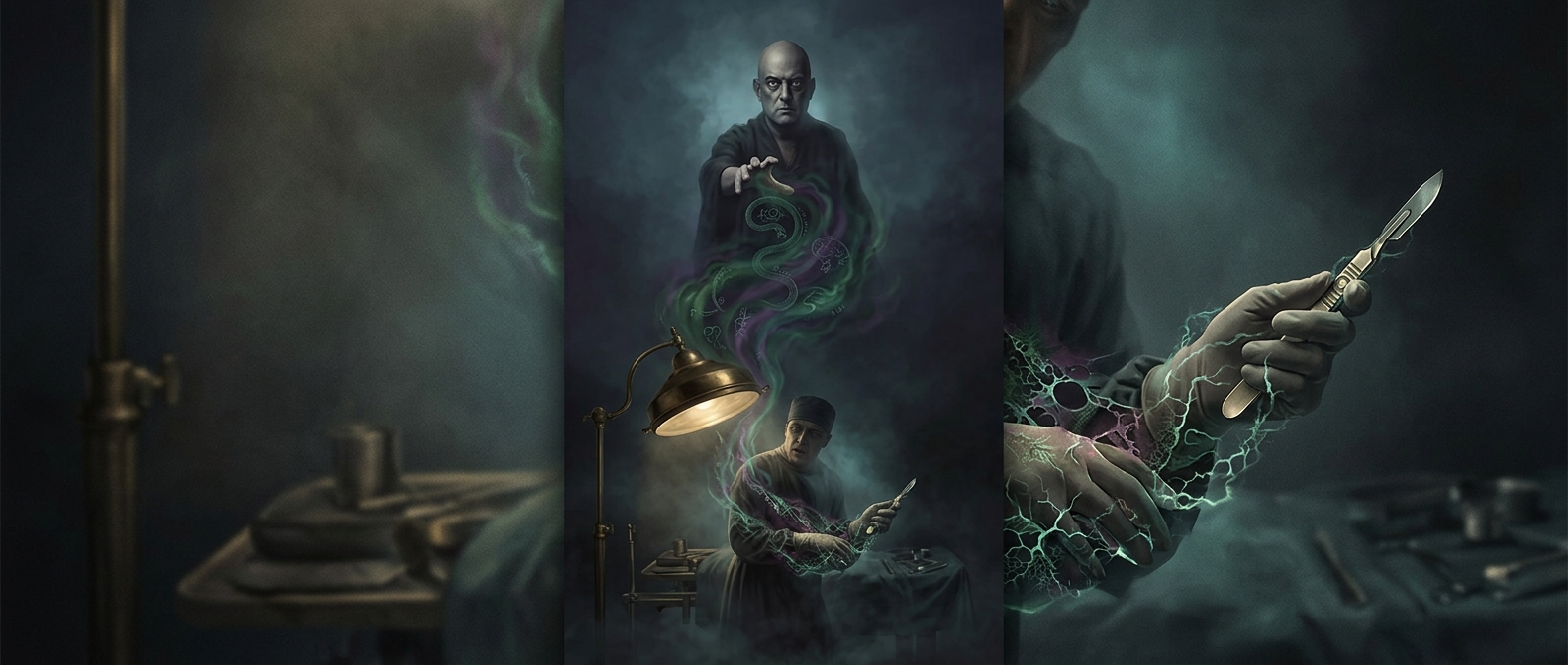
Accounts of the Paris episode say that one colleague suffered a severe mental disturbance and another was found unable to move, huddled in a corner. Those descriptions are reports, not enough to establish a modern medical diagnosis or prove that the ritual caused either person’s condition. But they convey how disturbing the aftermath appeared to people present.
Rituals of this kind could demand intense concentration and emotional involvement. When participants treated a supernatural presence as real and staged the encounter accordingly, fear or confusion could become difficult to separate from the experience they were trying to produce. That does not explain precisely what happened to either colleague; it helps show why such an undertaking could carry psychological risks as well as spiritual significance.
The cost of taking the ritual seriously
Crowley’s story is striking because the intended result was not merely symbolic: the participants sought an encounter powerful enough to affect them. The reports leave the cause uncertain, but the human consequence is concrete—friends apparently emerged from the working in states that alarmed those around them.