A funeral for a life left behind
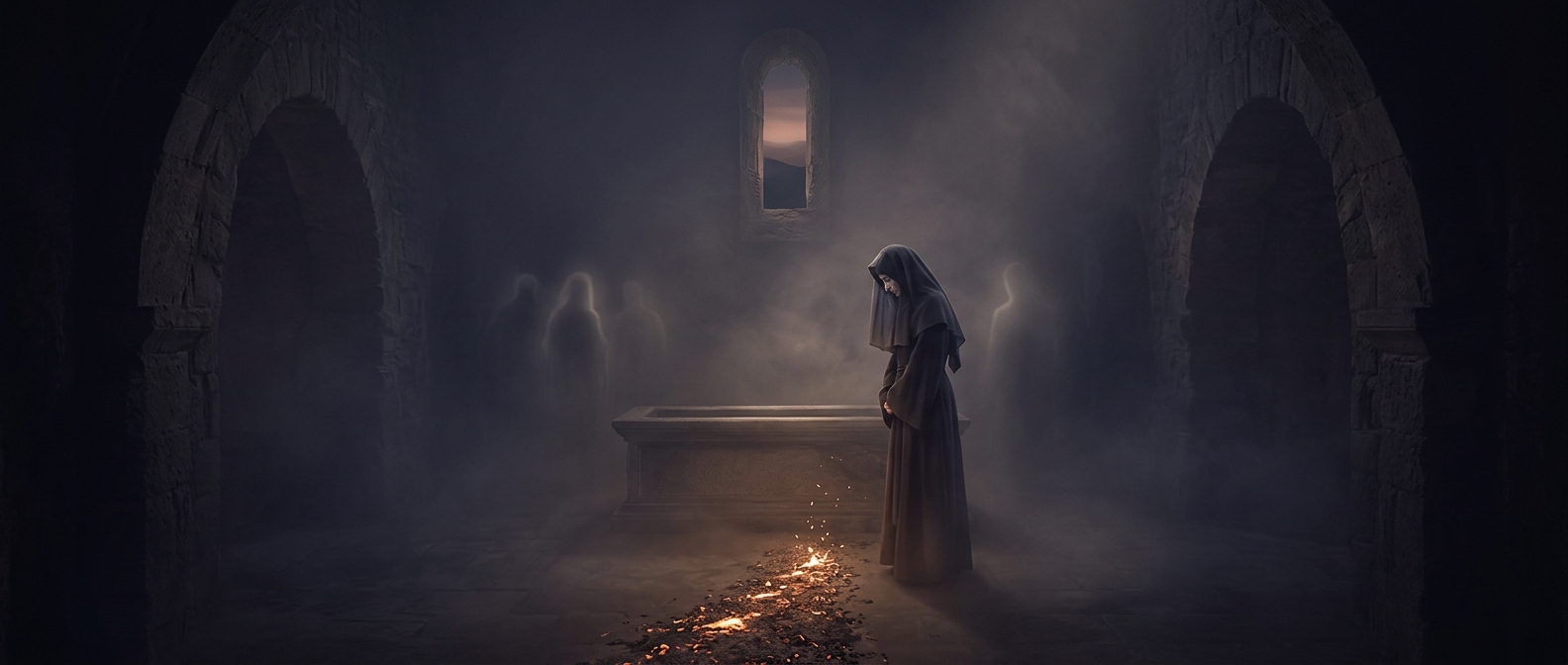
For some medieval anchorites, entering permanent seclusion began with a striking public rite: a service resembling a funeral. The candidate was still alive, but the ceremony marked a deliberate break with ordinary social life. In the eyes of the church community, the person was giving up movement, work, and relationships in the wider world to devote life to prayer.
The rite made that commitment visible. Rather than simply disappearing into a cell, the anchorite was enclosed through a formal religious ceremony, which could include prayers associated with burial. Practices varied, so not every anchorite underwent the same service. The funeral-like symbolism expressed a spiritual renunciation, not a claim that the person had physically died.
Enclosed, but not entirely cut off
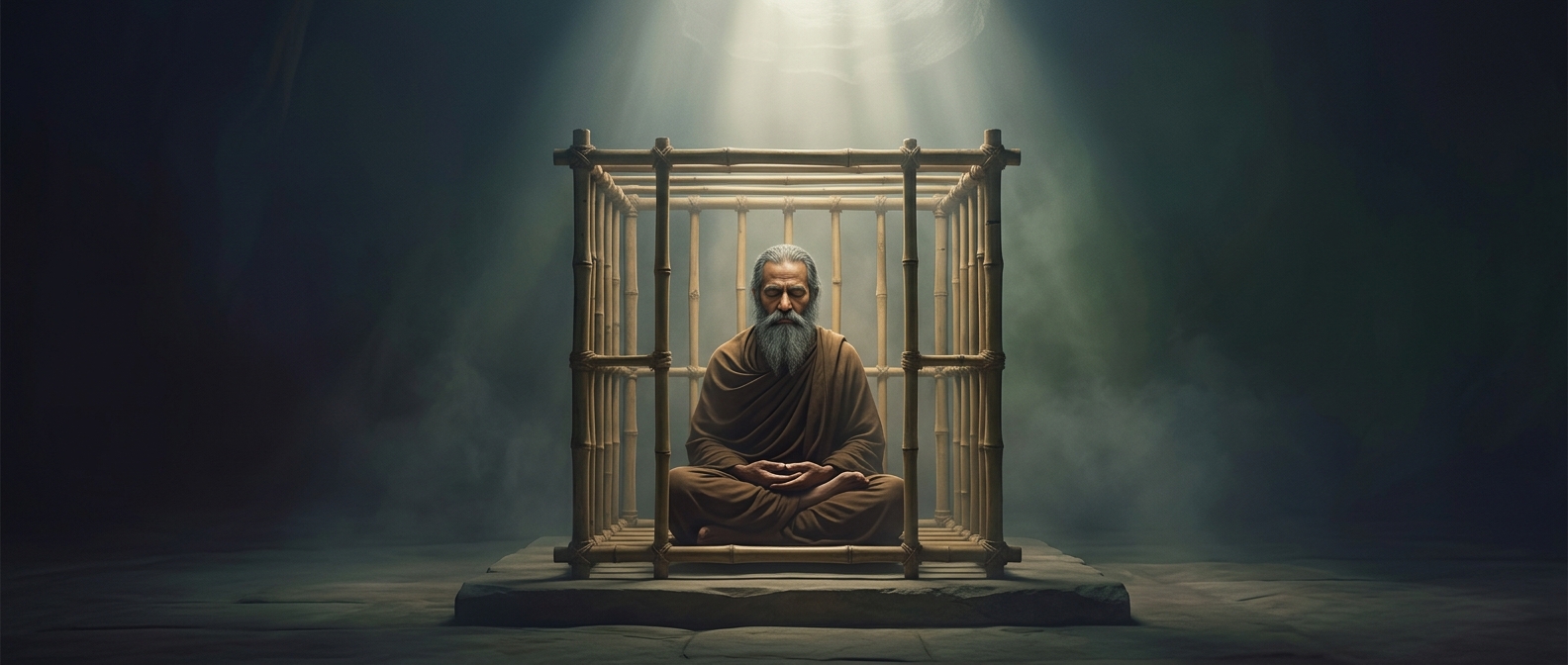
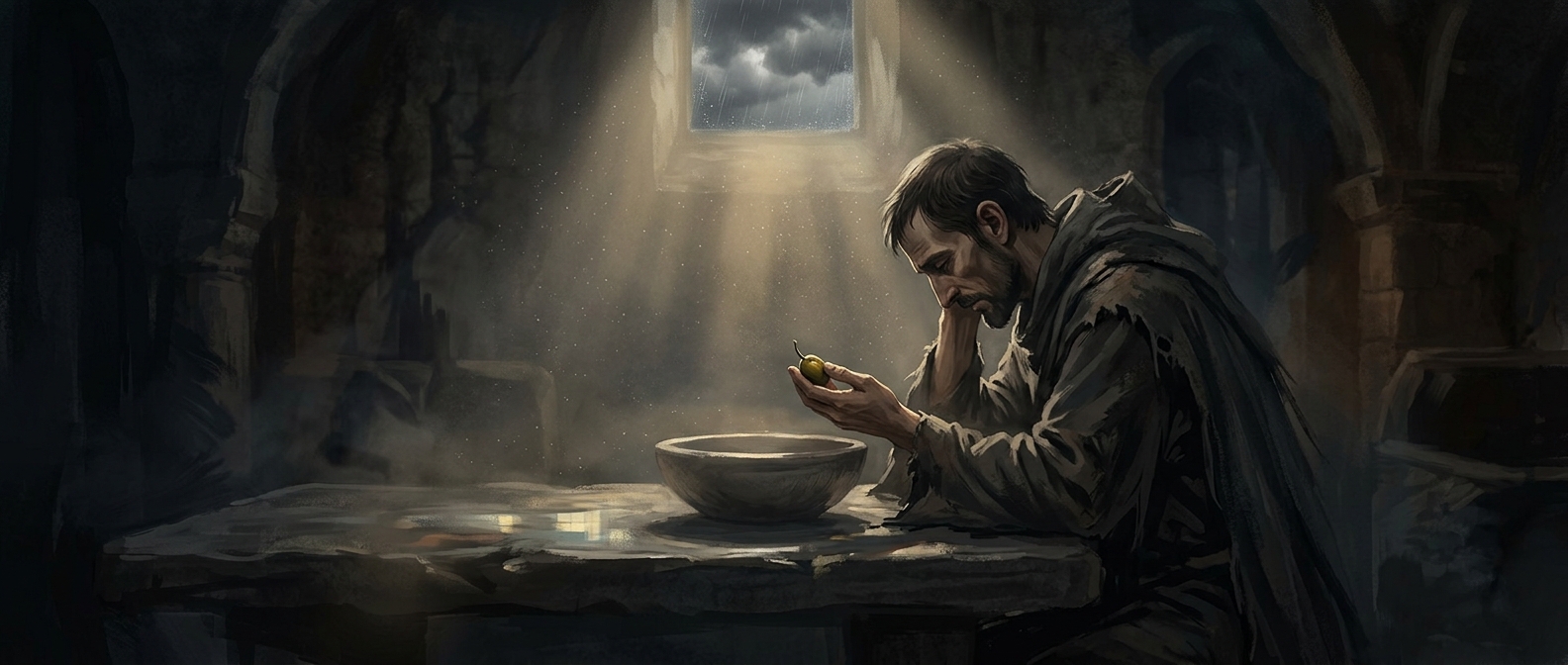
An anchorhold was often a small room attached to a church. Its arrangement could preserve a narrow connection to the community: a window might allow the anchorite to follow worship, while another opening let people bring food or seek counsel. The anchorite’s isolation was therefore carefully structured. The person withdrew from ordinary life but remained part of the religious world around the church.
That distinction mattered. A funeral rite could dramatize separation, while the anchorhold’s openings made the vocation sustainable and useful to others. The anchorite’s body stayed in the room; prayers, provisions, and conversation still crossed its threshold. The ceremony treated enclosure as a lifelong passage out of the world, even as the church kept a small channel between the enclosed person and the living community.