A Basket Became a Test of Attachment
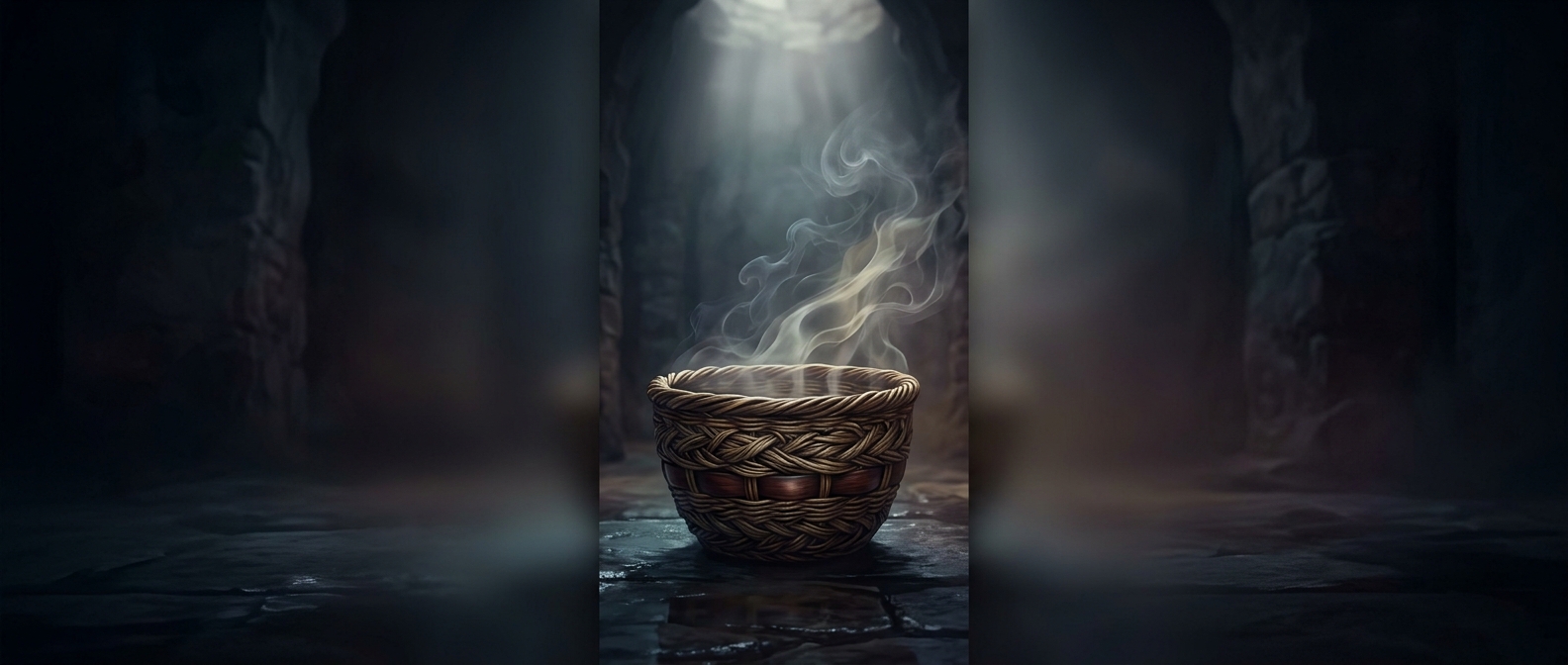
In the anecdote, Macarius does not discard the basket because it is poorly made or useless. He lets it go because he likes what he has made. The object becomes a small test: can he value his own skill without turning that satisfaction into pride?
That distinction matters in Christian ascetic practice, the discipline of simplifying one’s life to direct attention toward spiritual aims. The concern is not that craftsmanship is bad. It is that pleasure in a finished object can quietly become pleasure in oneself—as if the work proved one’s importance or deserved special attachment.
Practicing Detachment in Ordinary Things
A woven basket is a practical, handmade object, not an obvious symbol of vanity. That is what gives the story its force. The challenge appears in a routine task, where pride might seem too minor to notice. Macarius’s response treats the inner reaction, rather than the basket’s material value, as the thing to watch.
The choice is deliberately severe: instead of keeping the object and merely reminding himself to be humble, he removes the source of that particular satisfaction. The anecdote presents detachment not as contempt for useful work, but as a way of refusing to let even a small success become a possession of the ego. A basket can be woven again; the harder work is noticing when admiration for the work begins to feel like admiration for the self.