What Rebirth in a Stone Meant in Luria’s Kabbalah
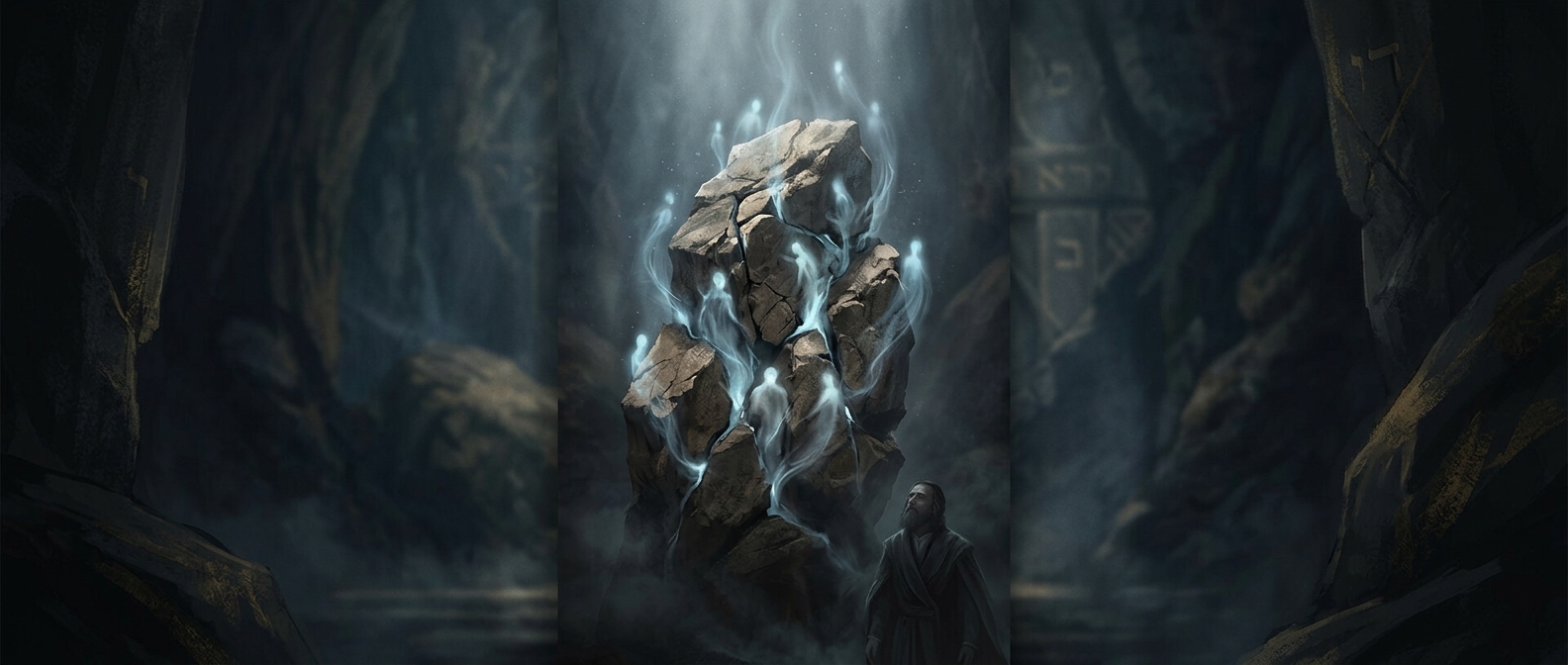
Isaac Luria, a 16th-century Jewish mystic whose teachings shaped the Kabbalah of Safed, taught that a soul could pass through successive lives—or embodiments—as it worked toward spiritual repair. This process, called gilgul, could extend beyond human beings: in some accounts of his system, a soul might be assigned to an animal, a plant, or even a stone.
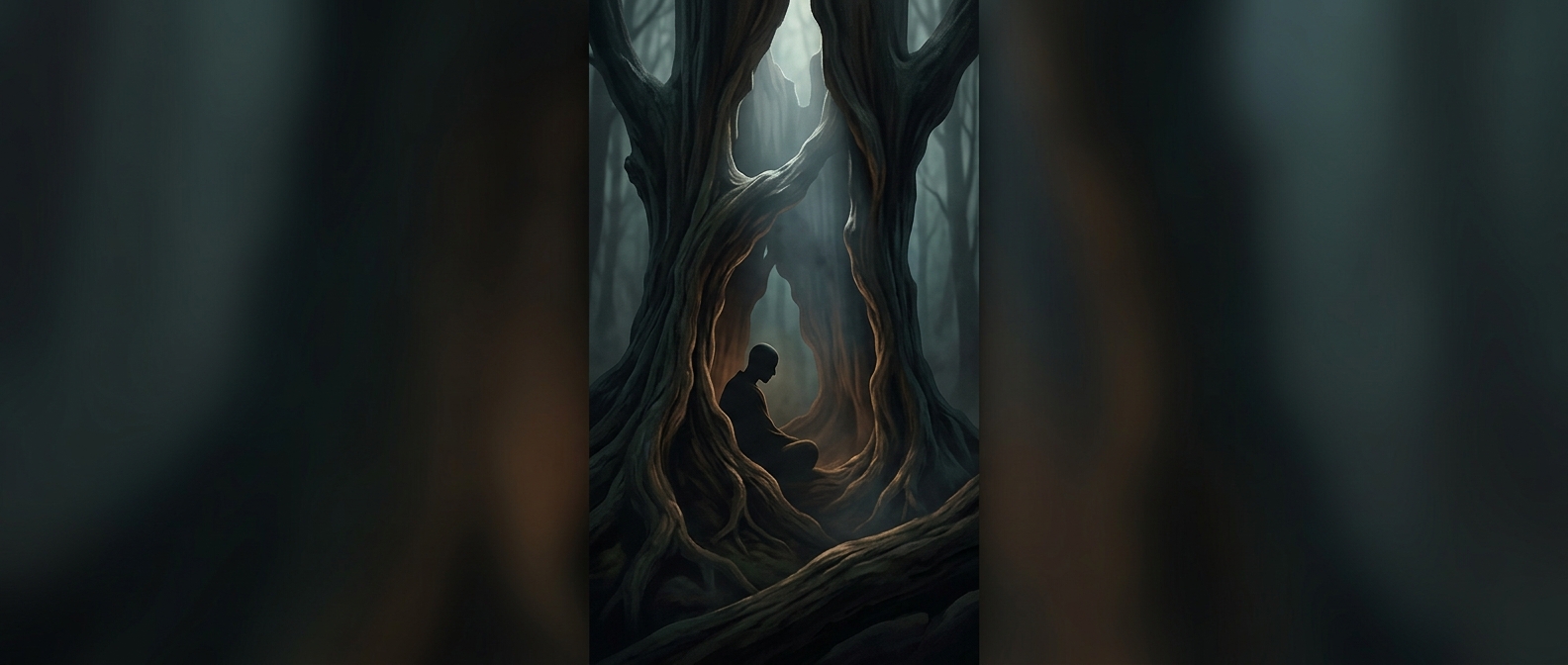
The stone was not imagined as a person trapped inside a rock, thinking and feeling as a human does. Rather, the teaching placed a soul within an existence with almost no capacity to act. Compared with human life, where choices and religious duties could help repair spiritual damage, a stone offered no such obvious opportunities.
Why the Inanimate World Mattered
Luria’s larger mystical picture treated the physical world as spiritually charged, not empty or separate from the divine. In his account of creation, divine light and spiritual sparks were dispersed and became embedded throughout material existence. The work of repair, known as tikkun, involved restoring what had been disrupted; human actions could contribute to that work.
Against this background, rebirth as a stone represented an especially severe condition: a soul’s journey could continue even where ordinary choice was unavailable. It also expressed a striking feature of Lurianic thought—that spiritual repair concerned not only human conduct, but the hidden spiritual life of the material world.
The claim belongs to a mystical religious framework, not a scientific account of rocks or consciousness. Its memorable force comes from the contrast: in this system, even something utterly still could be part of a soul’s long passage toward repair.