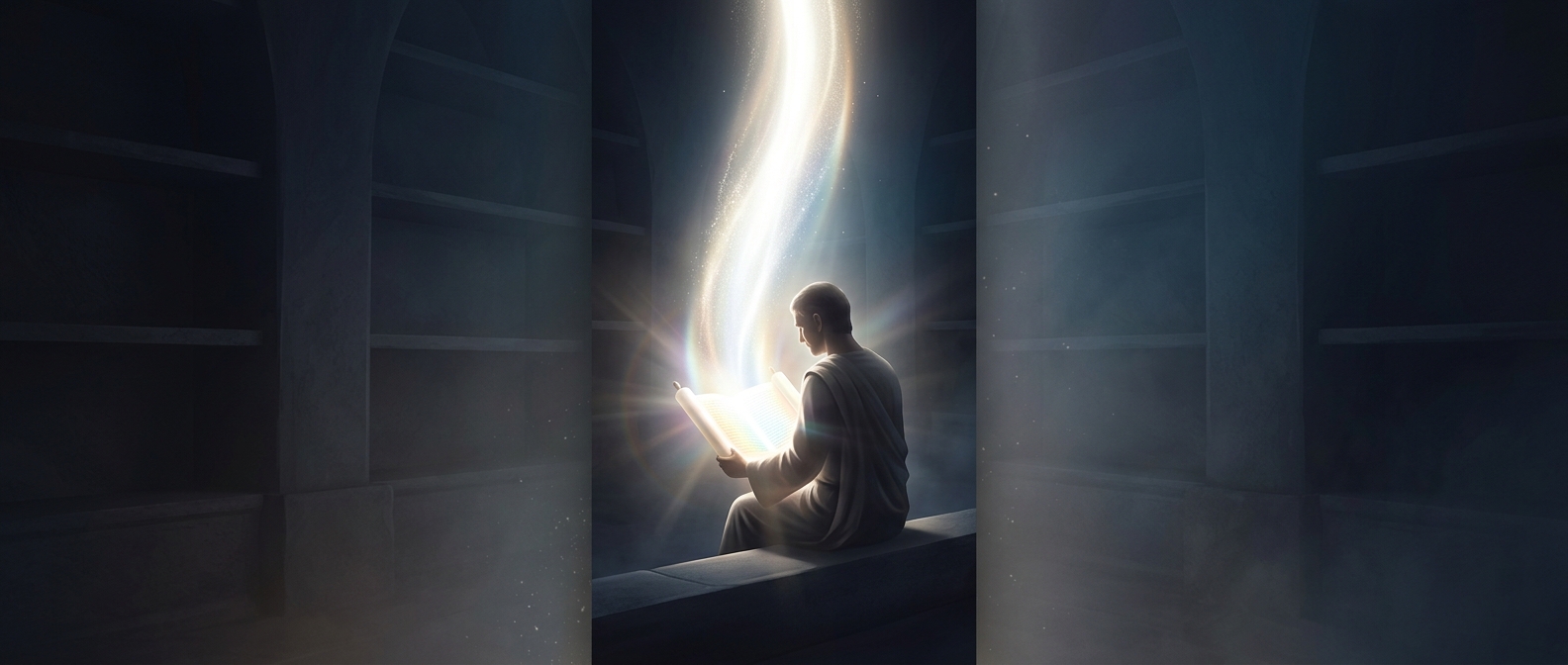
What “illumination” means in this philosophy
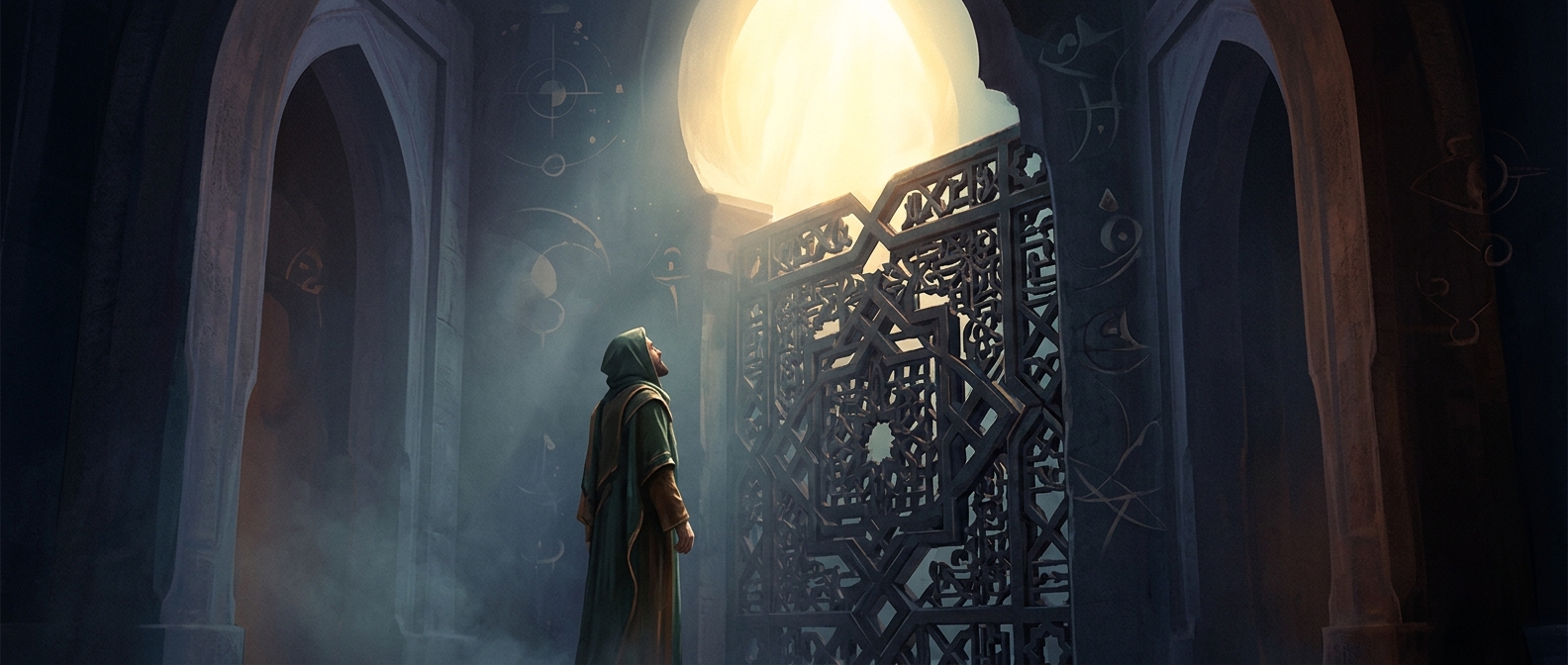
Illuminationism, also called the philosophy of ishrāq, is a school associated with the 12th-century Persian thinker Suhrawardi. Its central image is light: not merely sunlight or a metaphor for being clever, but a way to describe reality itself. In this view, existence has degrees of light and darkness, with all levels ultimately dependent on the fullest source, often called the Light of Lights.
That hierarchy gives the universe a spiritual structure. Beings are understood partly by how directly they depend on, or reflect, the source of light. The language is symbolic, but it is meant to express claims about what exists—not just to decorate a theory of knowledge.
Knowing by presence, not only by description
The school’s distinctive account of knowledge is often called knowledge by presence. Some things, Suhrawardi argued, are known through direct awareness rather than by forming a description of them. A person does not need to consult a book to know that they are conscious; that awareness is immediately present to them.
Other knowledge can be indirect: we learn about something through words, concepts, or evidence. Illuminationism does not make books or reasoning worthless. Rather, it treats direct awareness as a model for a more immediate kind of knowing, and it holds that philosophical understanding can involve both careful argument and inner insight.
Why the image of light matters
Calling knowledge illumination therefore does not mean that every fact is simply a flash of mystical certainty. It points to a difference between possessing information about something and apprehending it directly. The light imagery also links that difference to the school’s larger picture of reality: understanding is not an isolated mental trick, but part of a hierarchy in which the knower and the known are related to a spiritual source.
The memorable consequence is that, in this philosophy, learning is not only adding facts to the mind. At its deepest, knowing is a kind of presence—more like seeing what is before you than reading a description of it.