stackyFACTS
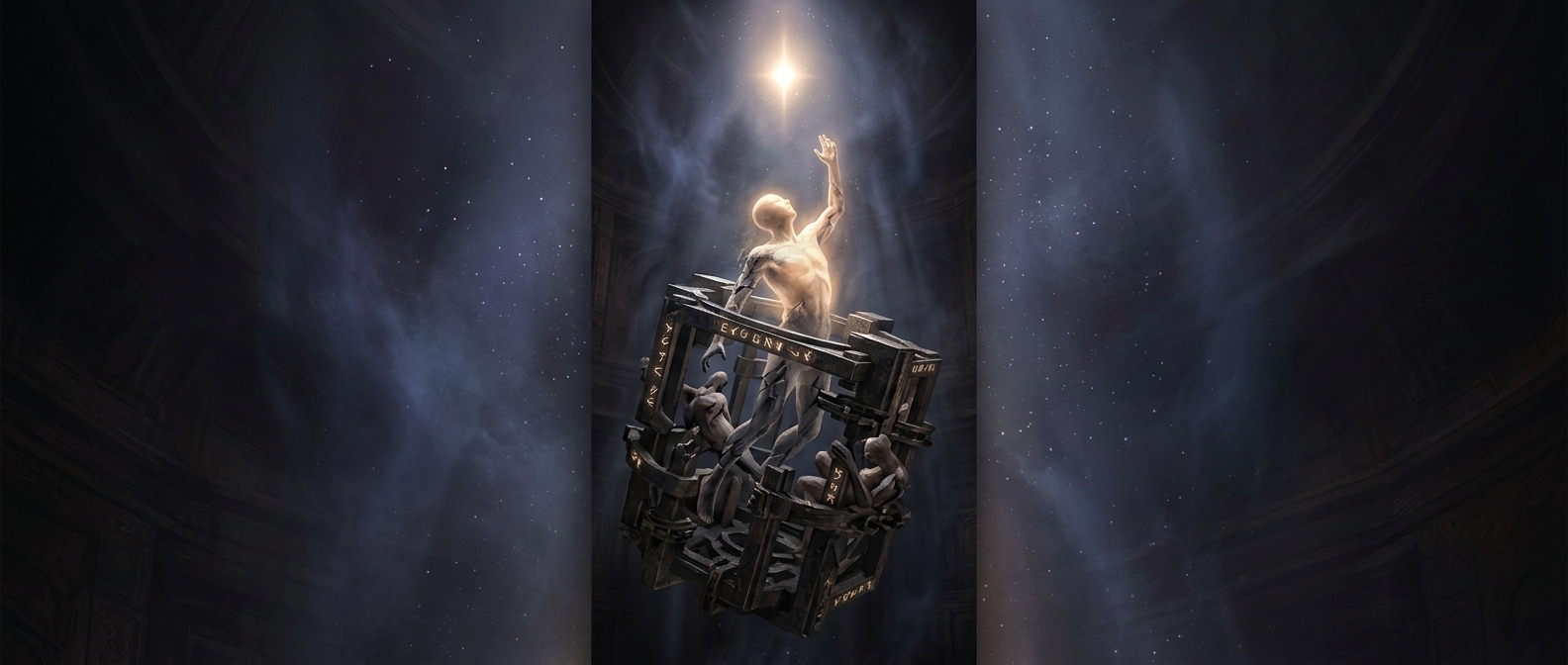
Gnosticism views human bodies as intentionally faulty prisons
STACKY / Myths & mysteries
Myths & mysteries

Gnosticism views human bodies as intentionally faulty prisons

HERE’S THE INTERESTING PART

Some Gnostic traditions portray the physical body as a flawed prison, built to confine people and limit their access to knowledge.

This article describes beliefs and cultural traditions, which are not necessarily scientifically established facts.

One discovery leads to another.

Keep exploring facts in this topic.

Myths & mysteries →

STACKY FOR IPHONE

A bigger world.
One discovery
at a time.

Keep discovering with Stacky. Interesting facts in an app that is always within reach.

Download on the App Store
ONE MORE DISCOVERY?

Keep exploring

All in this topic →
Gnostics divided humanity into three rigid spiritual tiers
Myths & mysteries

Gnostics divided humanity into three rigid spiritual tiers

Some Gnostic sects divided people into those ruled by matter, those with a soul, and an enlightened spiritual elite.

Discover more
Gnostics believed ignorance was the only actual human sin
Myths & mysteries

Gnostics believed ignorance was the only actual human sin

For Gnostics, the deeper problem was not ordinary moral failure but lacking the knowledge needed to understand the universe.

Discover more
Early Christian Gnostics believed that the physical universe was not created by the supreme, loving God, but rather by an ignorant, deeply flawed middle-management deity known as the Demiurge.
Myths & mysteries

Early Christian Gnostics believed that the physical universe was not created by the supreme, loving God, but rather by an ignorant, deeply flawed middle-management deity known as the Demiurge.

Early Christian Gnostics believed that the physical universe was not created by the supreme, loving God, but rather by an ignorant, deeply flawed…

Discover more
Agnosticism and gnosticism are literal polar opposites
Myths & mysteries

Agnosticism and gnosticism are literal polar opposites

Agnosticism, coined in the 19th century, is uncertainty about whether ultimate truths can be known. Early Gnosticism, by contrast, claimed access to secret…

Discover more
Esoteric Islamic philosophers viewed intellect as a barrier
Myths & mysteries

Esoteric Islamic philosophers viewed intellect as a barrier

Some mystical Islamic traditions held that analytical reason could obstruct direct experience of spiritual truth.

Discover more
Gnostic texts frame orthodox villains as enlightened heroes
Myths & mysteries

Gnostic texts frame orthodox villains as enlightened heroes

Some ancient Gnostic groups recast condemned figures as liberators, arguing that they were trying to free humanity from ignorance about the cosmos.

Discover more
StackyMore discoveries in the app
Download on the App Store