What “knowledge” meant to Gnostics
In many ancient movements now grouped under the label Gnostic, the central human problem was not simply breaking a moral rule. It was ignorance: failing to recognize humanity’s connection to a higher divine reality. The remedy was gnosis, a Greek word for knowledge—more like transformative spiritual insight than the accumulation of facts.
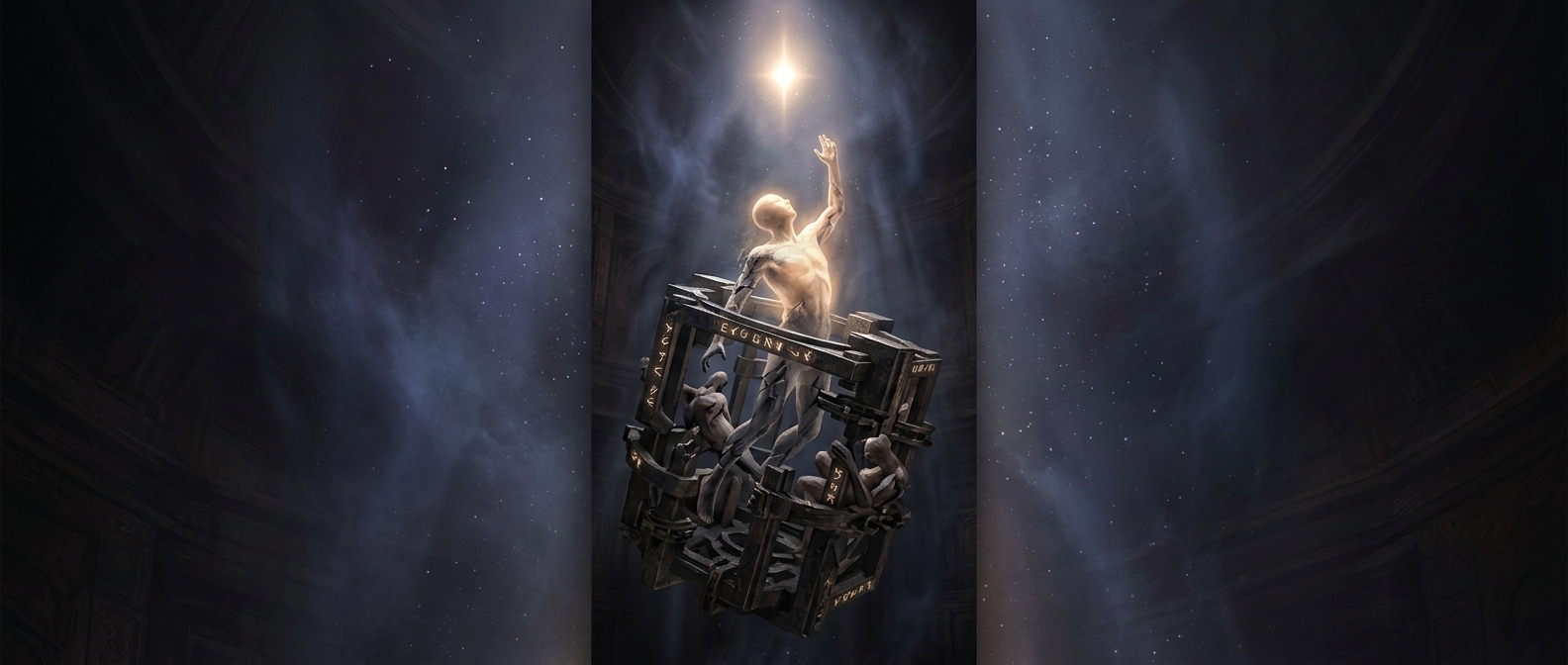
Gnostic teachings differed, but some described the visible world as shaped by a lesser creator or governed by powers that kept people unaware of their spiritual origin. In that picture, ordinary life could feel like a kind of captivity: people mistake the limited material world for all that exists and never ask where their deeper identity comes from.
Why ignorance mattered more than a single misdeed
A wrong action could be serious, but it was not necessarily the deepest trouble. Ignorance was the condition that made people misunderstand themselves, the world, and the divine—and so remain trapped in that misunderstanding. Gnosis was meant to break the spell of appearances by revealing a person’s spiritual origin and the way back toward it.
That emphasis does not mean every Gnostic group treated ethical conduct as irrelevant, or that all Gnostics shared one doctrine. It means that, in some influential Gnostic accounts, moral failure was part of a larger predicament: people acted within a world they did not understand because they lacked the insight that could awaken them.
The striking implication is that salvation could begin not with winning a moral scorecard, but with seeing reality differently. A person’s most consequential mistake was taking the world as it appeared to be for the whole story.