What “seeing God” means in the doctrine
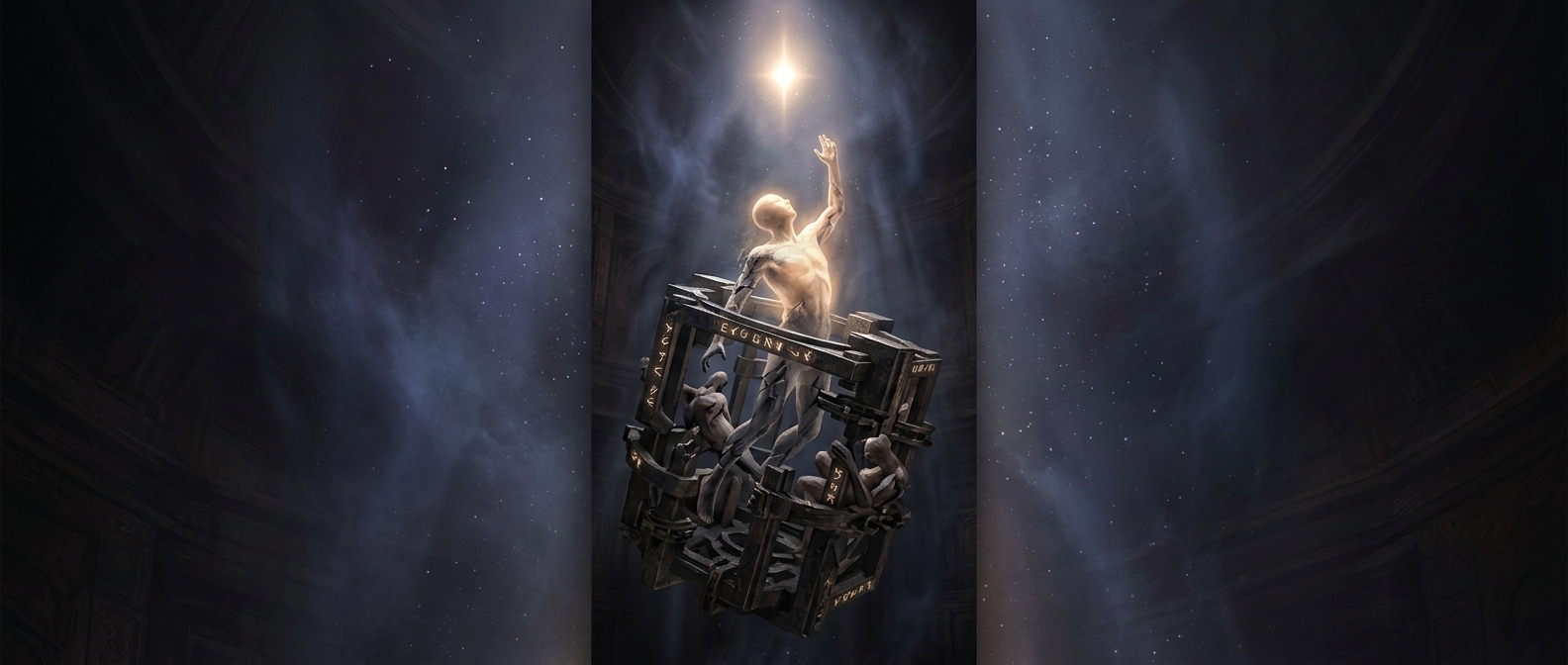
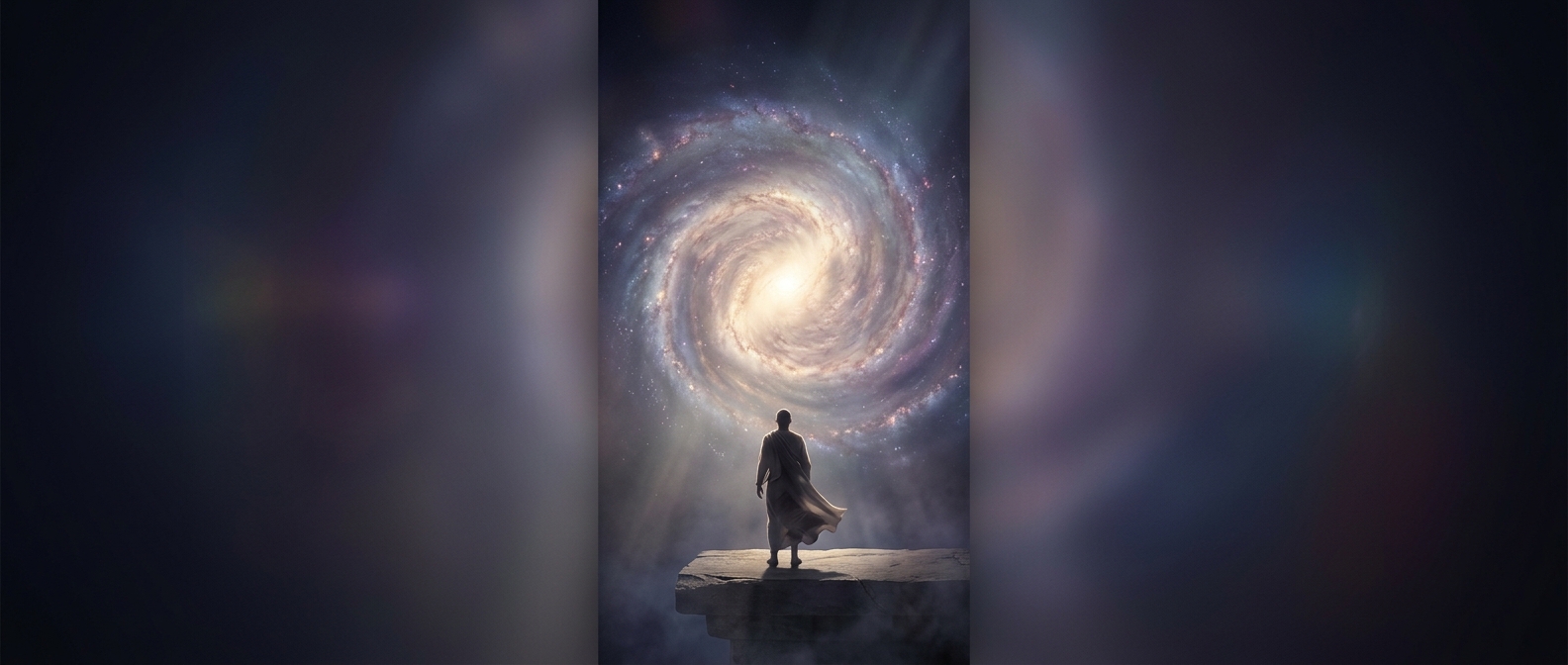
In Catholic theology, the beatific vision is the soul’s direct knowledge of God after death. “Vision” here does not mean looking with physical eyes: God is understood as immaterial, so the image is closer to knowing a person inwardly than watching a figure across a room. The word beatific means blessed or made happy, pointing to the state this knowledge is believed to bring.
Why contemplation is not meant to be passive
The idea grows out of a distinction between knowing about God and encountering God directly. During earthly life, theology says, people reason from the created world and rely on faith; in the beatific vision, that indirectness ends. The soul does not merely collect new information. It apprehends divine goodness in a way that, in this tradition, brings its deepest desire to fulfillment.
That claim also answers the obvious question of boredom. The vision is not imagined as an unchanging spectacle competing for attention. It is described as complete union in knowledge and love, not as an activity that needs novelty to remain interesting. The tradition treats eternal life as participation in a reality beyond ordinary time, though it does not provide a minute-by-minute account of what such existence feels like.
A theological answer to human longing
The doctrine gives a specific shape to the hope of heaven: happiness comes not chiefly from possessing a place or enjoying endless diversions, but from knowing God directly. Whether a person accepts that belief or not, its central image is less an endless stare than a relationship whose object is understood as inexhaustibly good.