Why Some Gnostics Put the Creator at a Distance
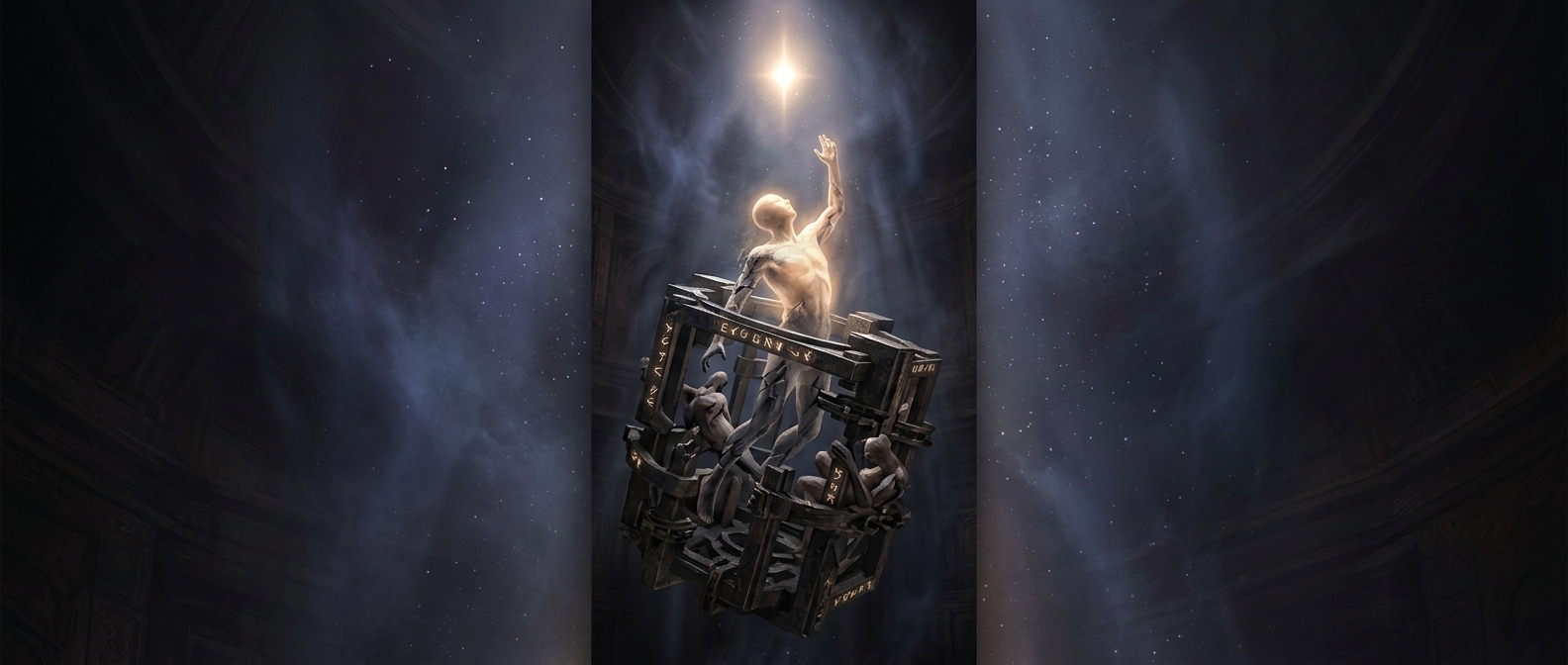
For some early Christian groups now described as Gnostic, the world’s disorder posed a theological problem: how could a good, transcendent God be responsible for a realm marked by suffering and ignorance? Their answer was to distinguish the highest God from the being who fashioned the material cosmos. In certain creation stories, that lesser maker—the Demiurge—acts without understanding the divine reality above him.
This was not one uniform doctrine shared by every group called Gnostic. The surviving accounts and writings describe varied teachings, and the label itself covers movements with different ideas. But the distinction between an ultimate divine source and a flawed creator offered a way to explain why the world could seem spiritually alienating without making the highest God its author.
Knowledge as a Way Out
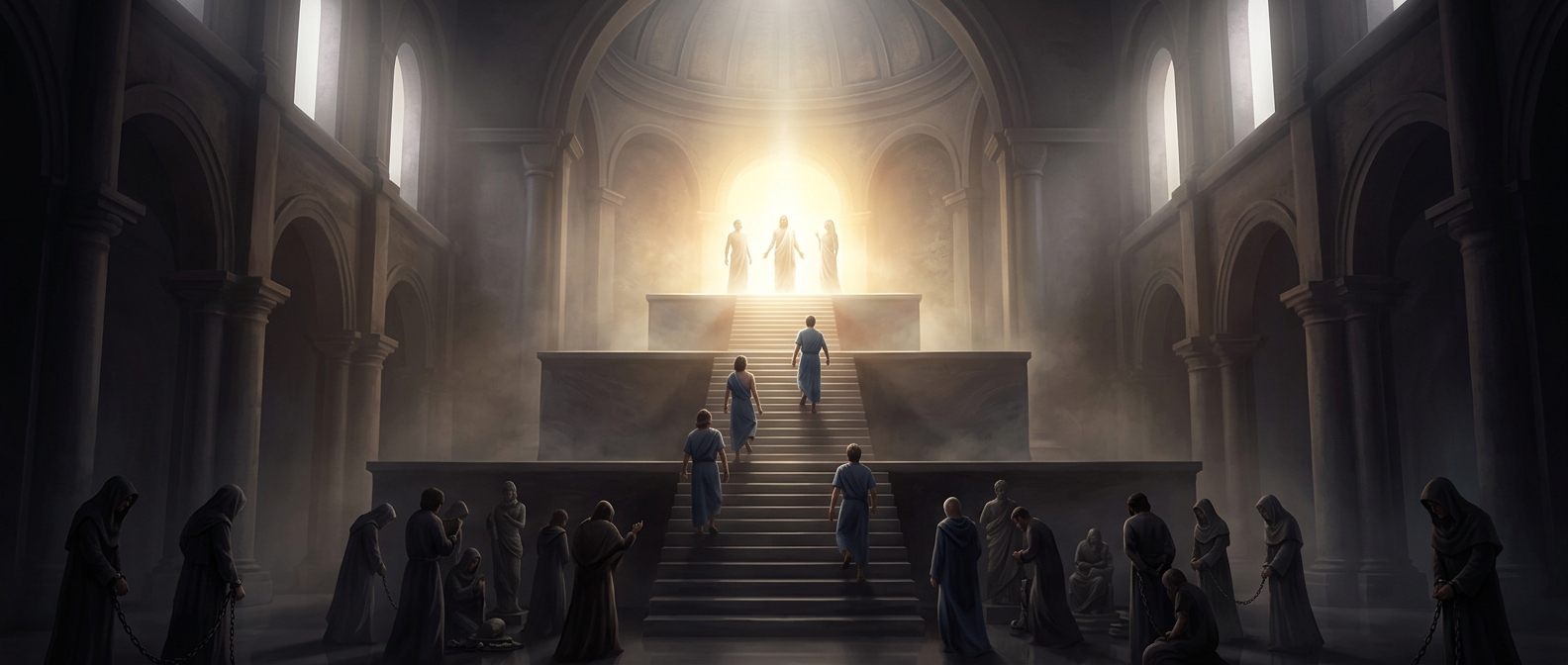
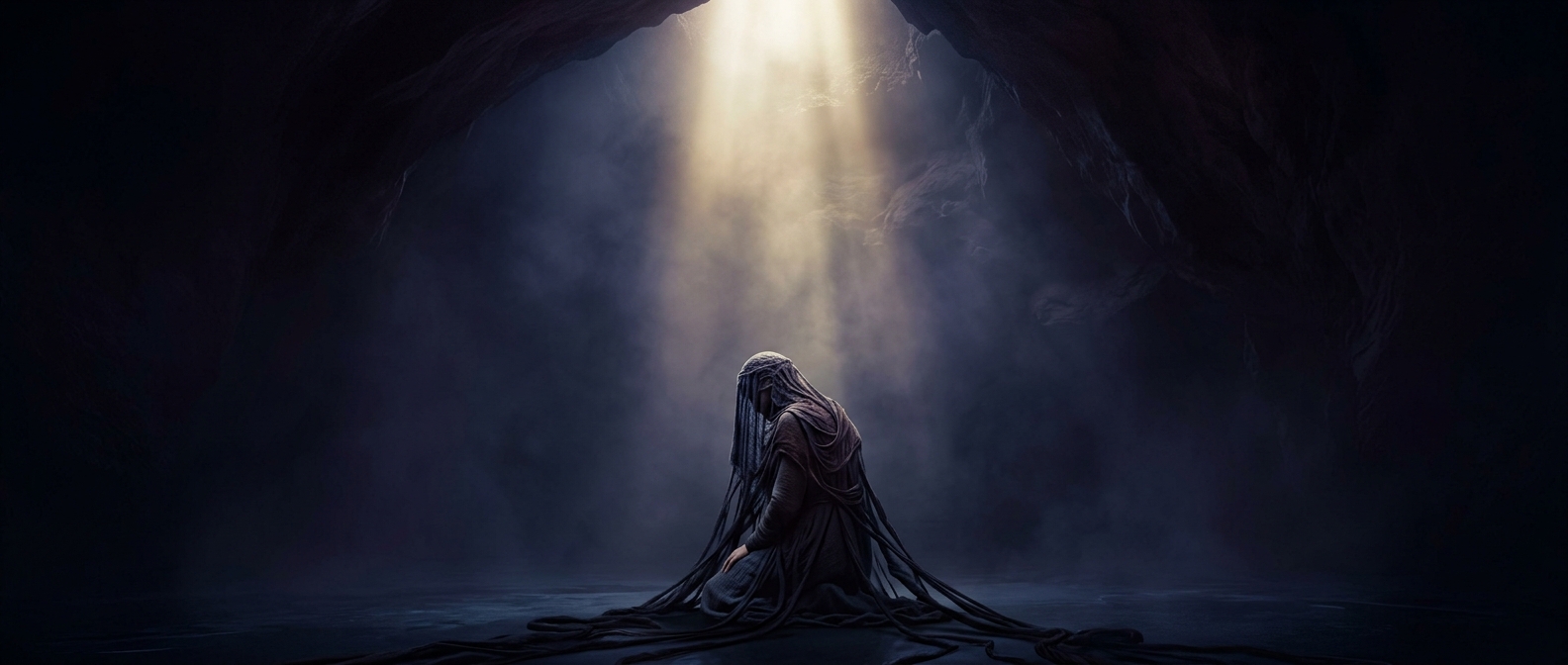
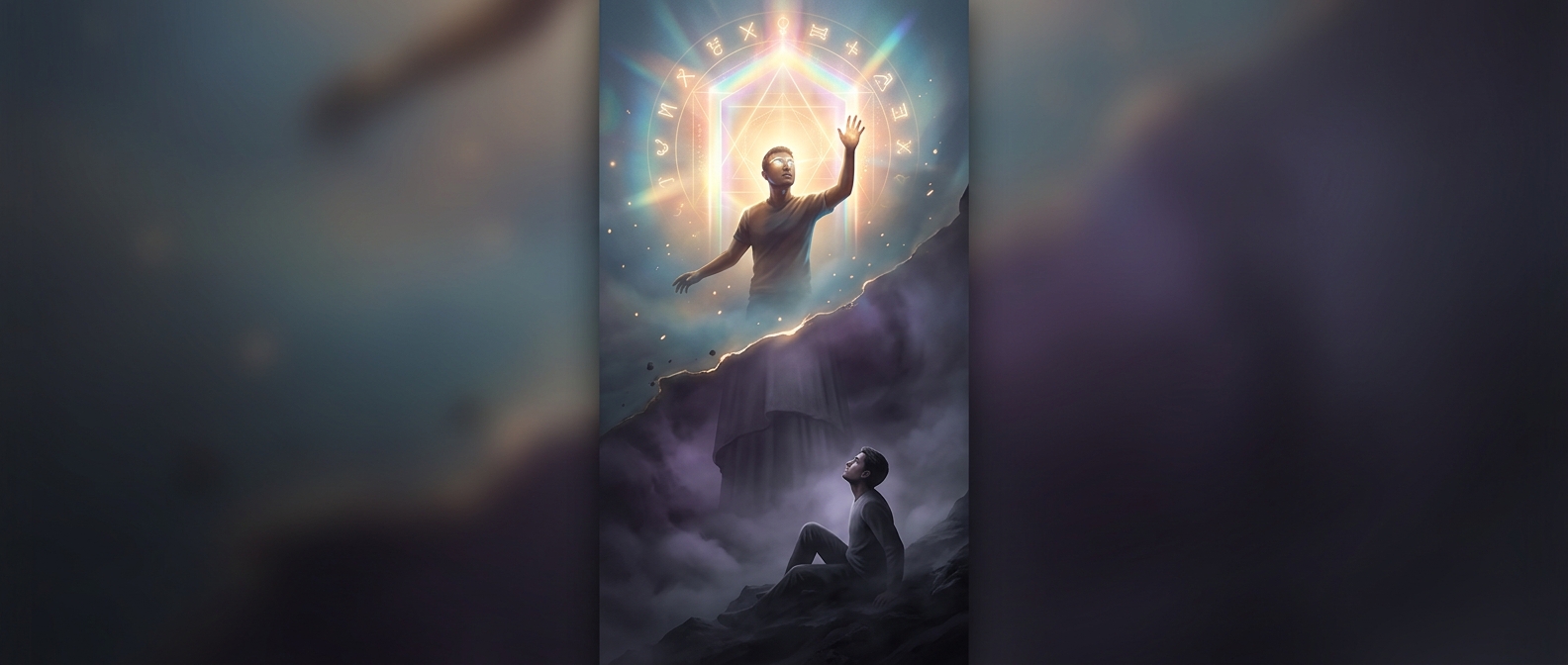
In these traditions, salvation was not simply a matter of obeying rules or believing a set of claims. It could depend on gnosis, a Greek word meaning knowledge: an awakening to one’s divine origin and to the hidden structure of reality. The soul’s predicament was not merely that it lived in a body, but that it had forgotten where it came from and mistaken the material order for the whole of existence.
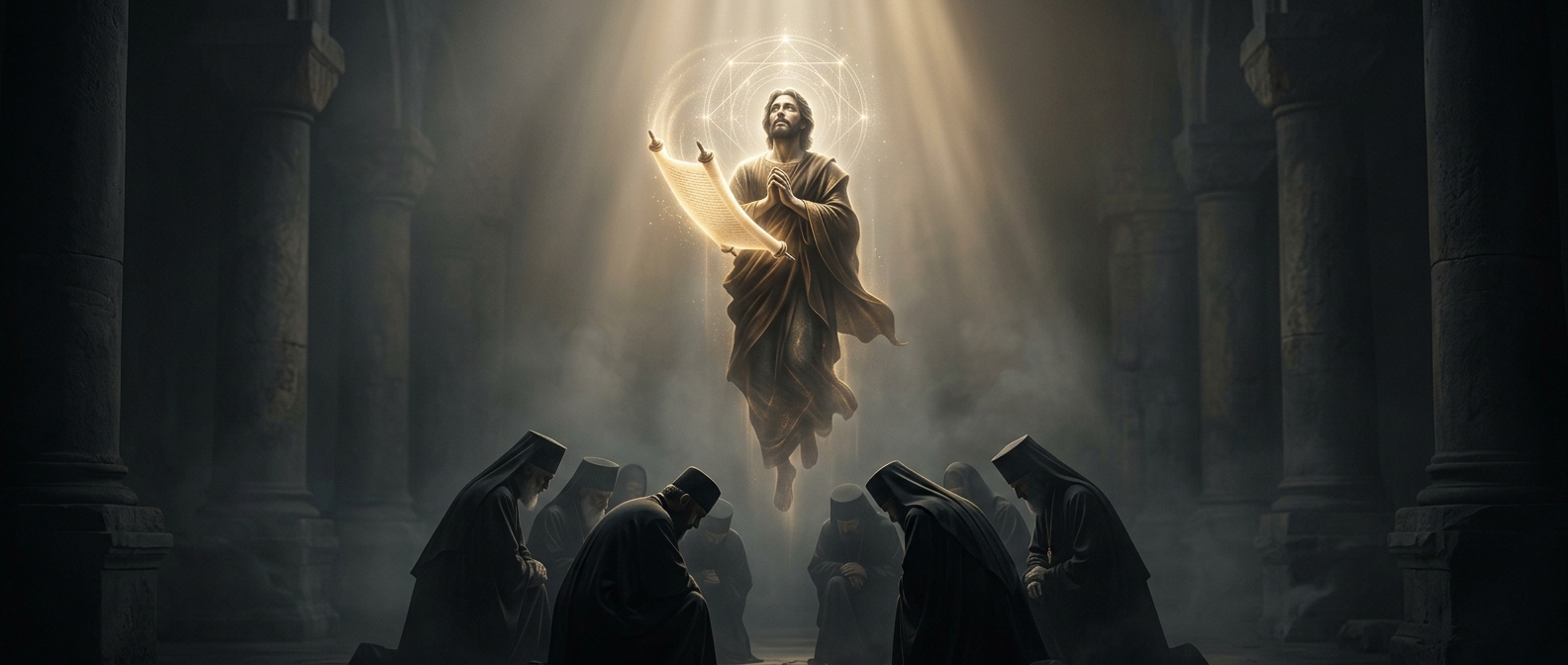
That helps explain the emphasis on revelation and secret teaching. Knowledge mattered because it changed how a person understood the self and the world. To recognize the divine spark within was, in effect, to see through the limits imposed by ignorance and begin the soul’s return to its source.
A Different Map of the Universe
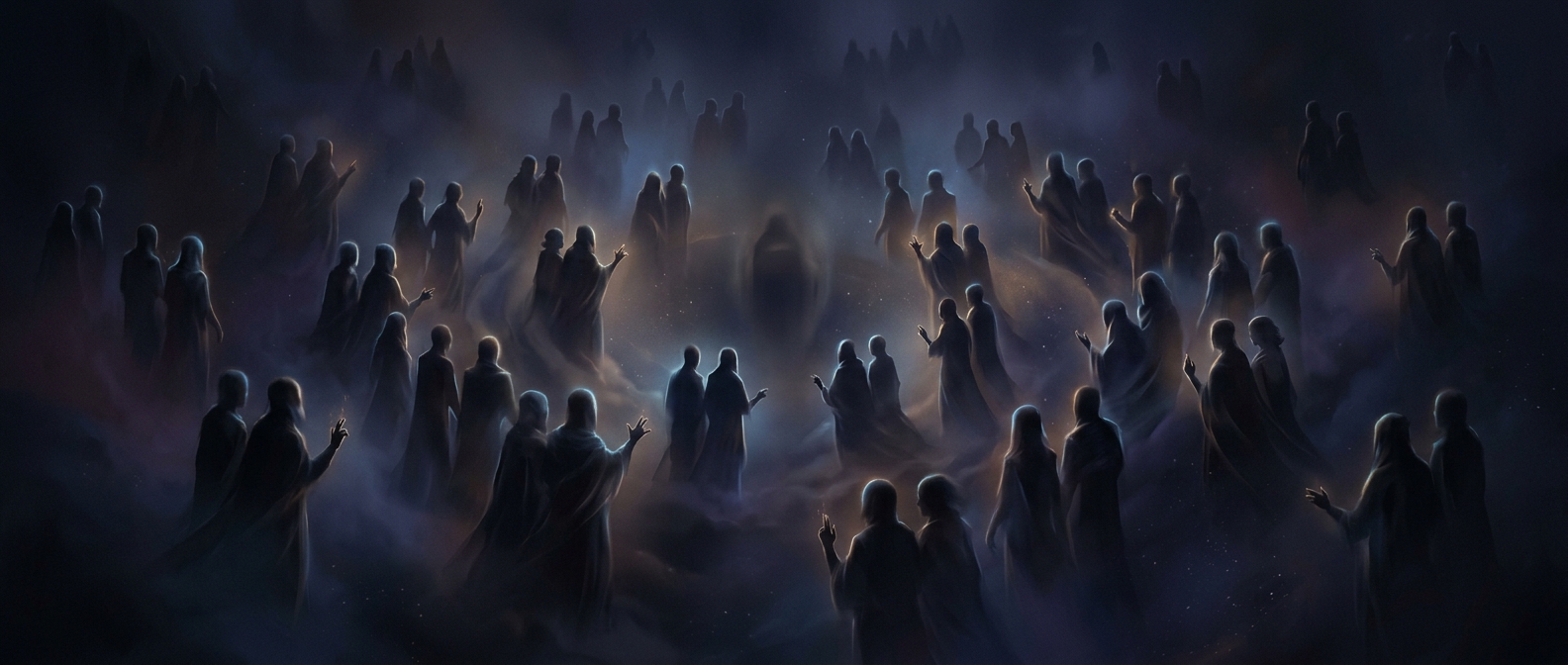
This picture reversed a central assumption in much Christian teaching: that the one God made the world and that creation, despite its suffering, belonged to God’s good order. Gnostic cosmologies instead made spiritual liberation a movement away from the authority of the material realm. Their lasting intrigue lies in that sharp question: if the world is flawed, does that flaw belong to its highest source—or to something lower?