Why Gnostic myths built a ladder between God and the world
“Gnostic” covers several ancient religious movements, not one uniform creed. In some of their most elaborate creation stories, the highest God is so perfect and remote that the flawed, changing world cannot be understood as a direct creation of that source. The story therefore places layers of spiritual beings between them.
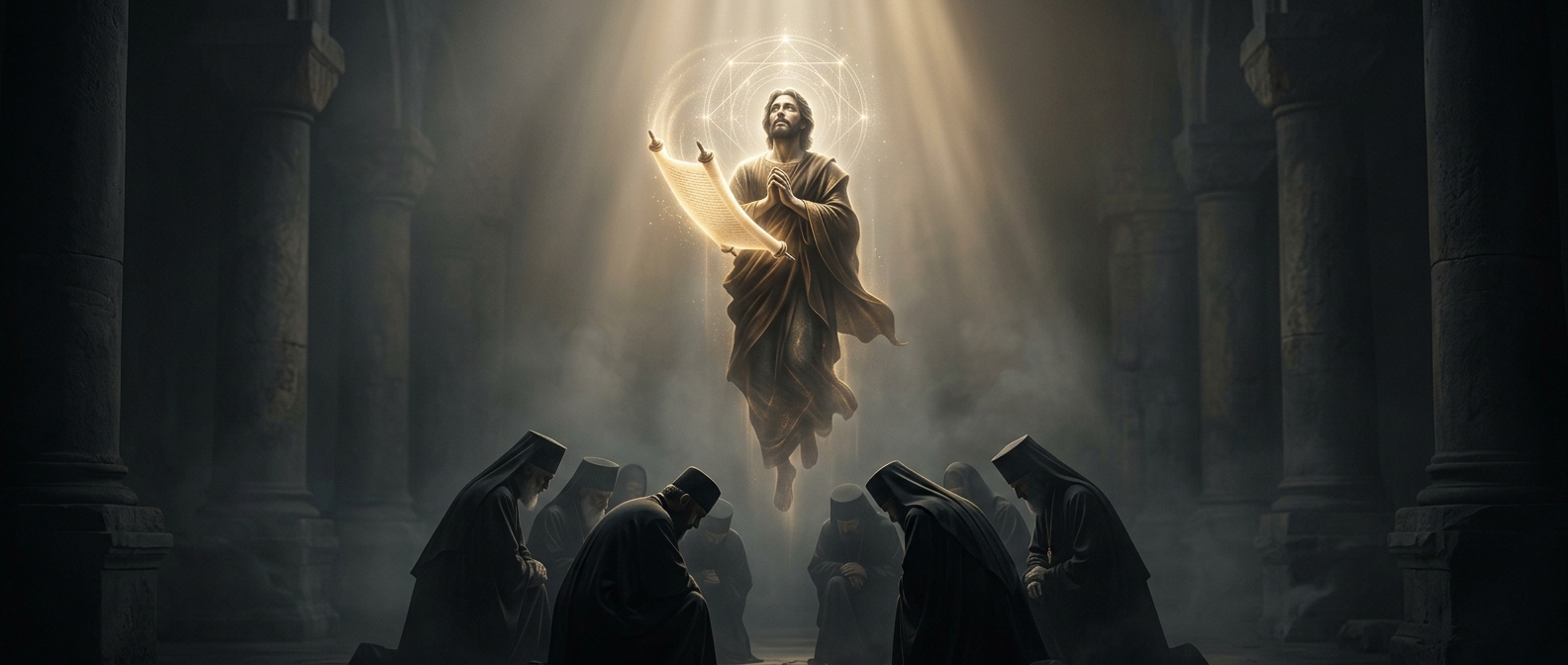
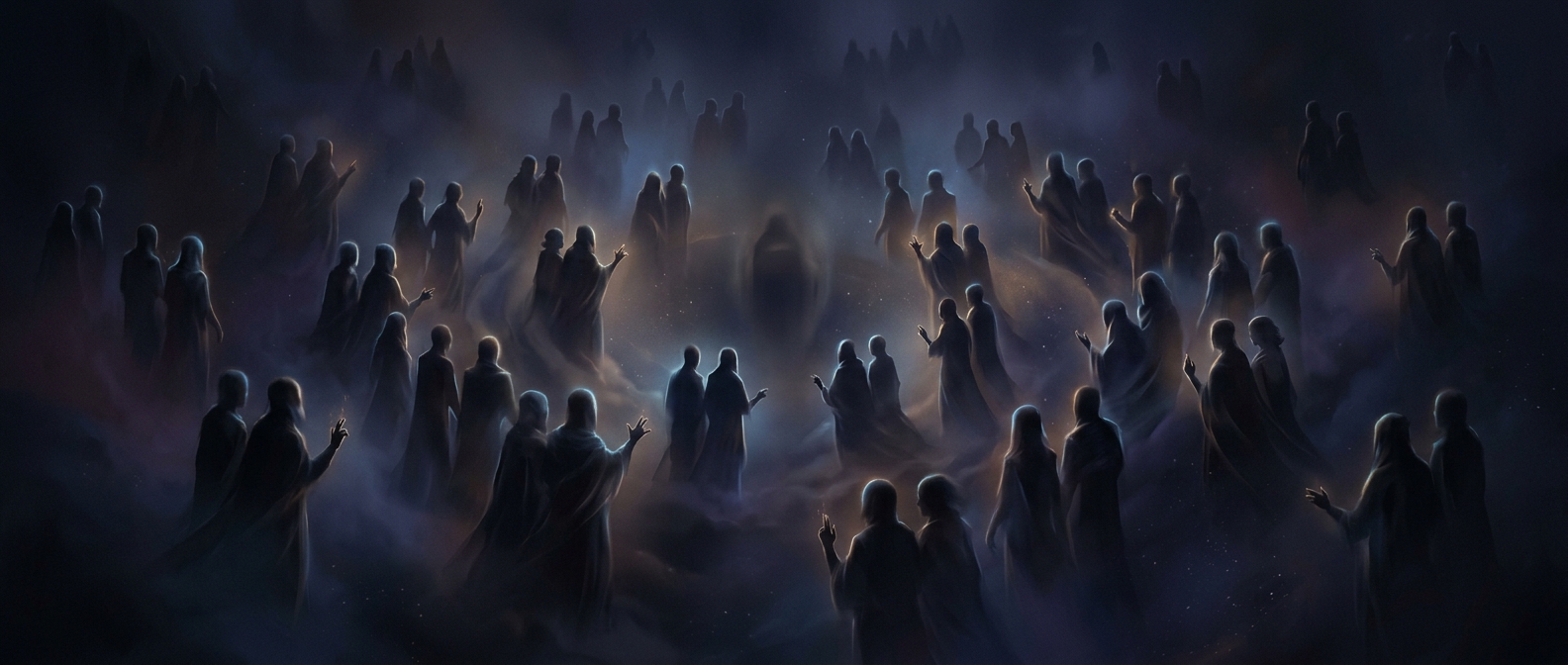
These beings are often called aeons: divine powers or aspects arranged in a spiritual realm known in some systems as the Pleroma, or “fullness.” In Valentinian accounts, aeons appear in paired relationships called syzygies. The pairs give the unseen realm an ordered structure, rather than presenting it as a crowd of unrelated spirits.
How the hierarchy explains imperfection
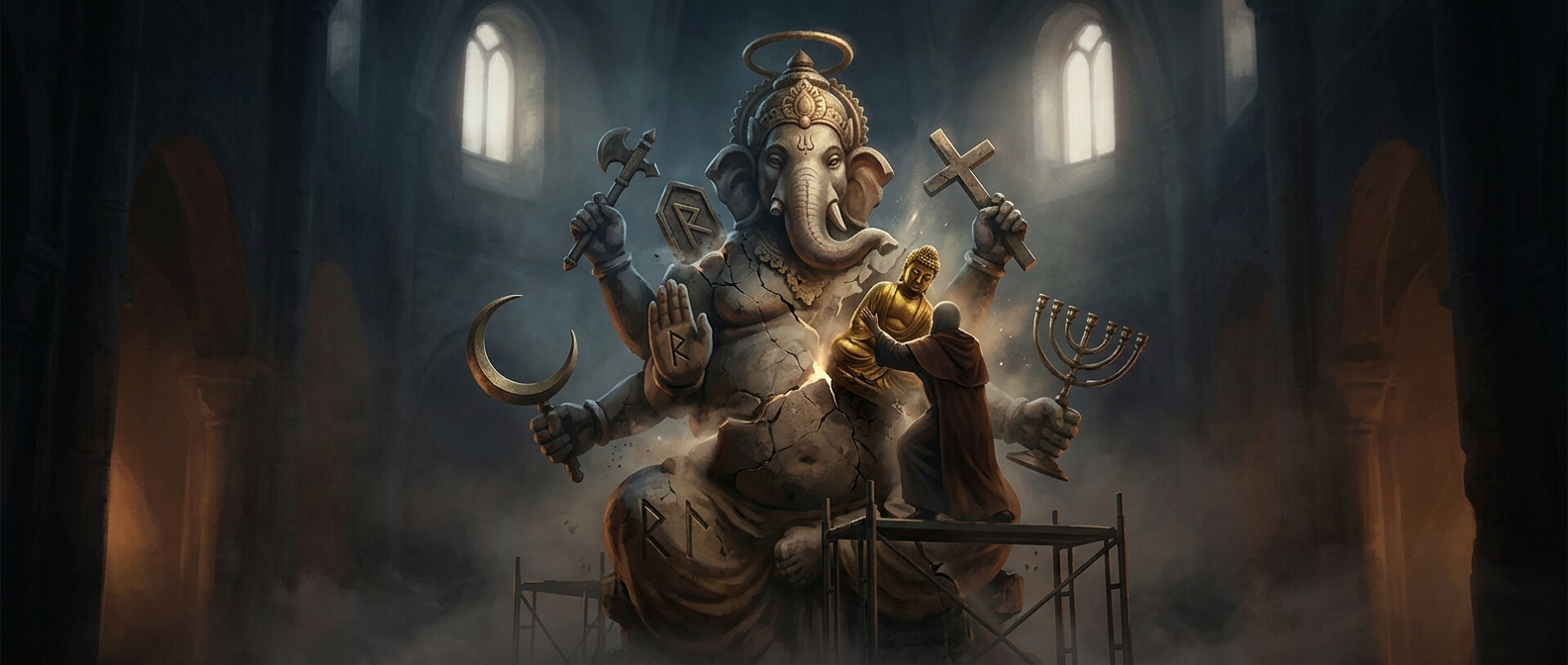
The sequence also makes room for a break in the chain. In one influential version, the aeon Sophia—whose name means “wisdom”—acts outside the proper order. The resulting disorder leads to the creation of a lower realm and a creator figure often called the Demiurge. This lesser maker fashions the material world without fully knowing the highest divine source.
That plot offers an answer to a difficult question: if the ultimate God is perfect, why is ordinary life marked by suffering, limitation, and change? The myth assigns those features to a lower level of reality, not to the highest source itself. Different Gnostic groups told the story differently, and not all used the same beings or sequence.
A map of spiritual distance
The hierarchy is more than cosmic bookkeeping. It turns the gap between divine perfection and everyday existence into a journey through levels of understanding. In some Gnostic teachings, knowledge of one’s spiritual origin could help a person see beyond the material world’s apparent authority.
That is why the paired rulers matter: they make an invisible distance legible. Each layer marks another step away from the source—and another clue, within the myth, about how the world came to be so unlike it.