When Aquinas’s Writing Came to a Halt
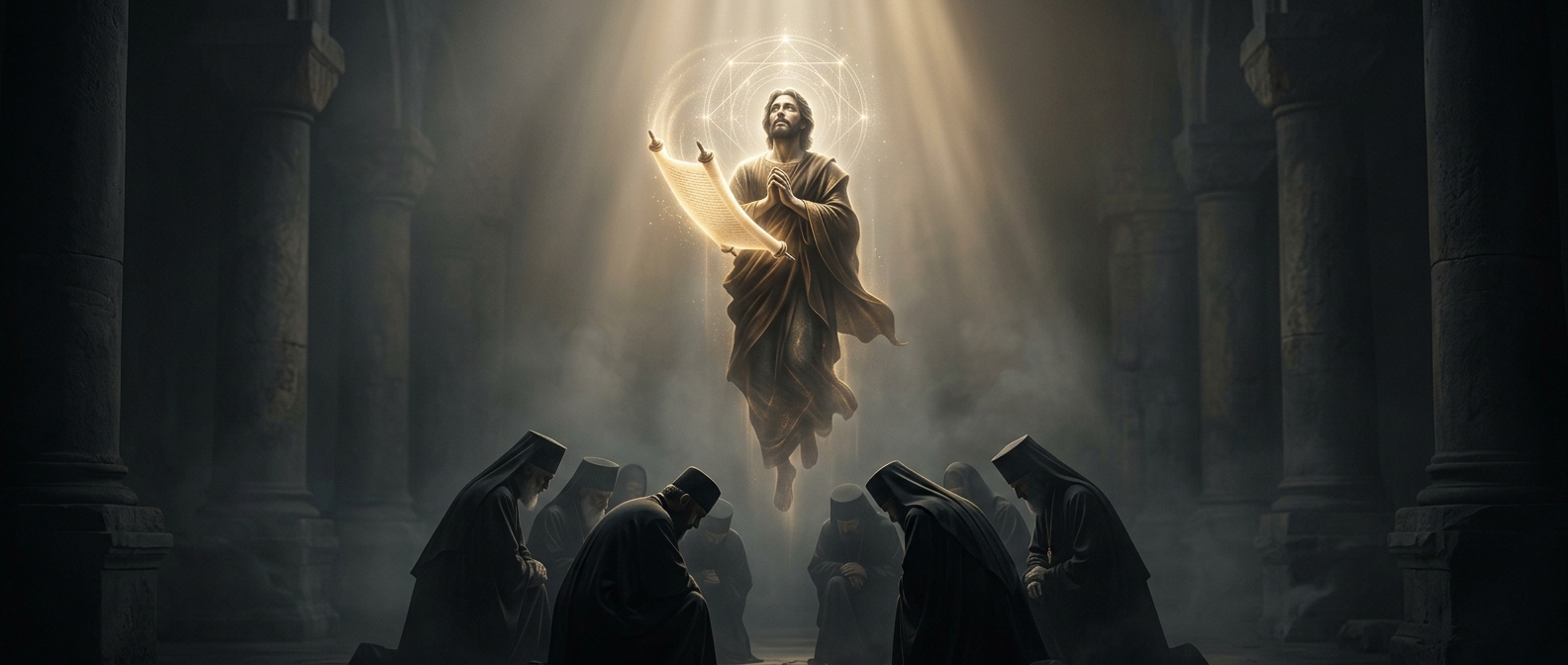
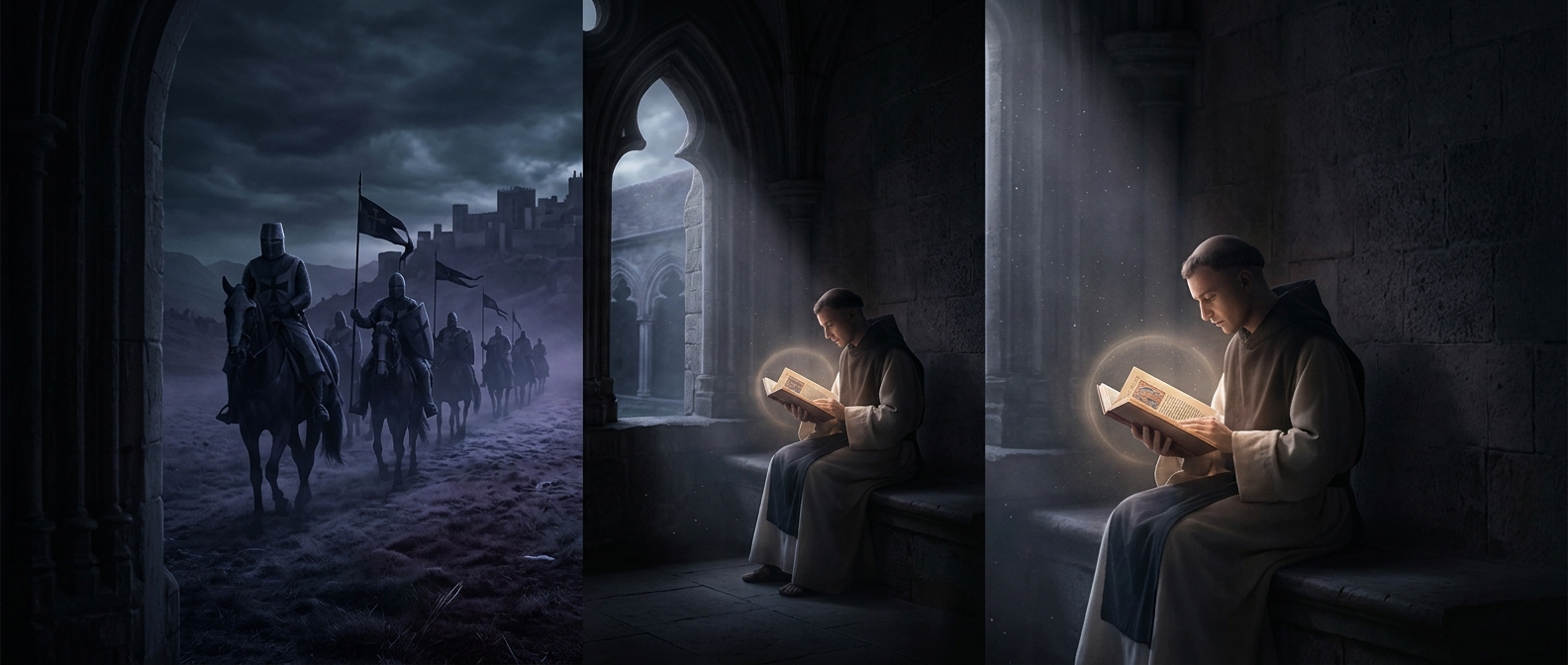
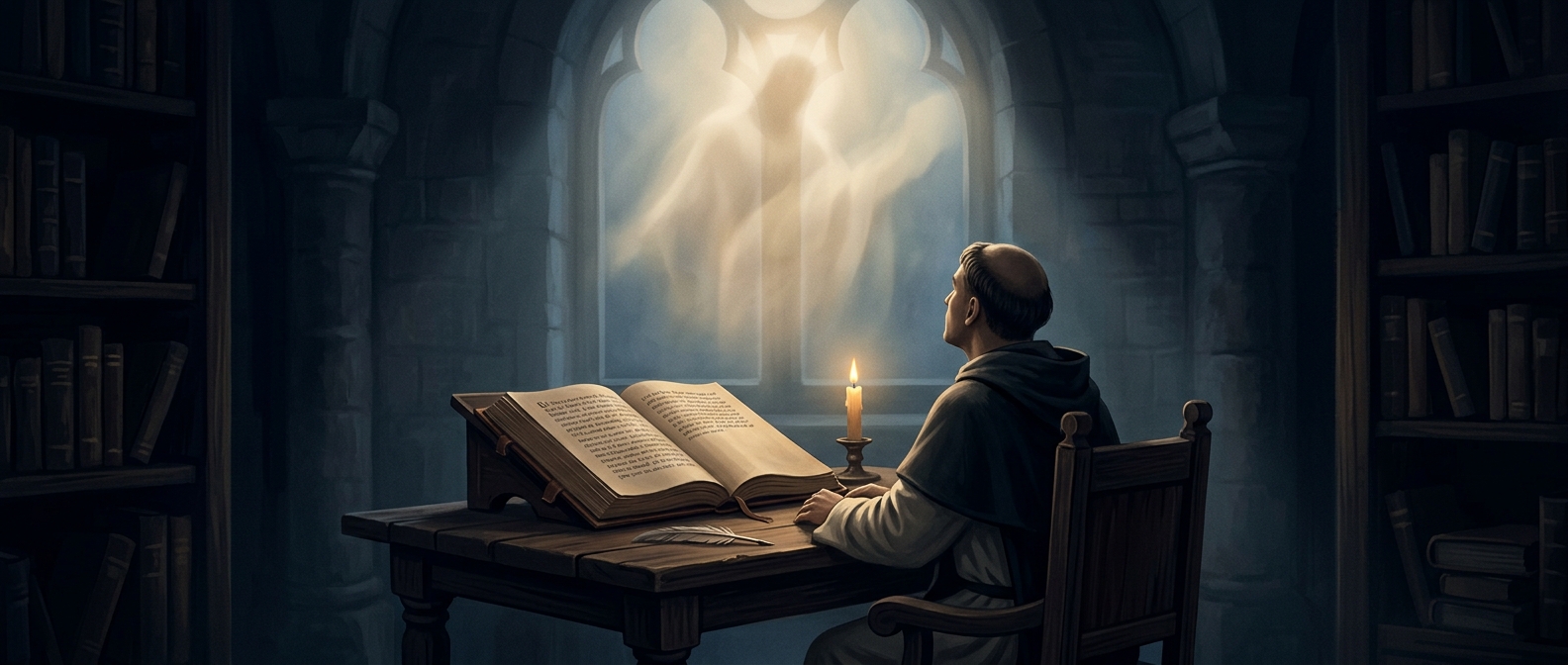
In late 1273, while celebrating Mass, Thomas Aquinas underwent an experience that later accounts describe as extraordinary. Afterward, he stopped working on the Summa Theologiae, the vast theological work he had been composing, and reportedly called everything he had written “straw.” He died in March 1274, leaving the Summa unfinished.
The striking point is not simply that a prolific writer fell silent. Aquinas had spent years using careful argument to explain Christian teachings. His sudden refusal to continue suggests that, in that moment, the work of reasoning and writing seemed inadequate to what he had experienced.
What “Straw” Could Mean
The remark is often read as a comparison between human words and divine reality: even the most rigorous theology could seem slight beside direct encounter with God. That reading does not require Aquinas to have judged his books worthless. “Straw” can express the limits of what language and argument can grasp, rather than a repudiation of the ideas he had defended.
The experience itself cannot be reconstructed from the surviving story. What can be traced is its consequence: Aquinas did not return to writing the Summa, and the work remained incomplete. His silence became part of how readers understood the boundary he had spent his career approaching—the point where explanation gives way to what, for him, could only be encountered.