How a dye can travel from a drink to the toilet
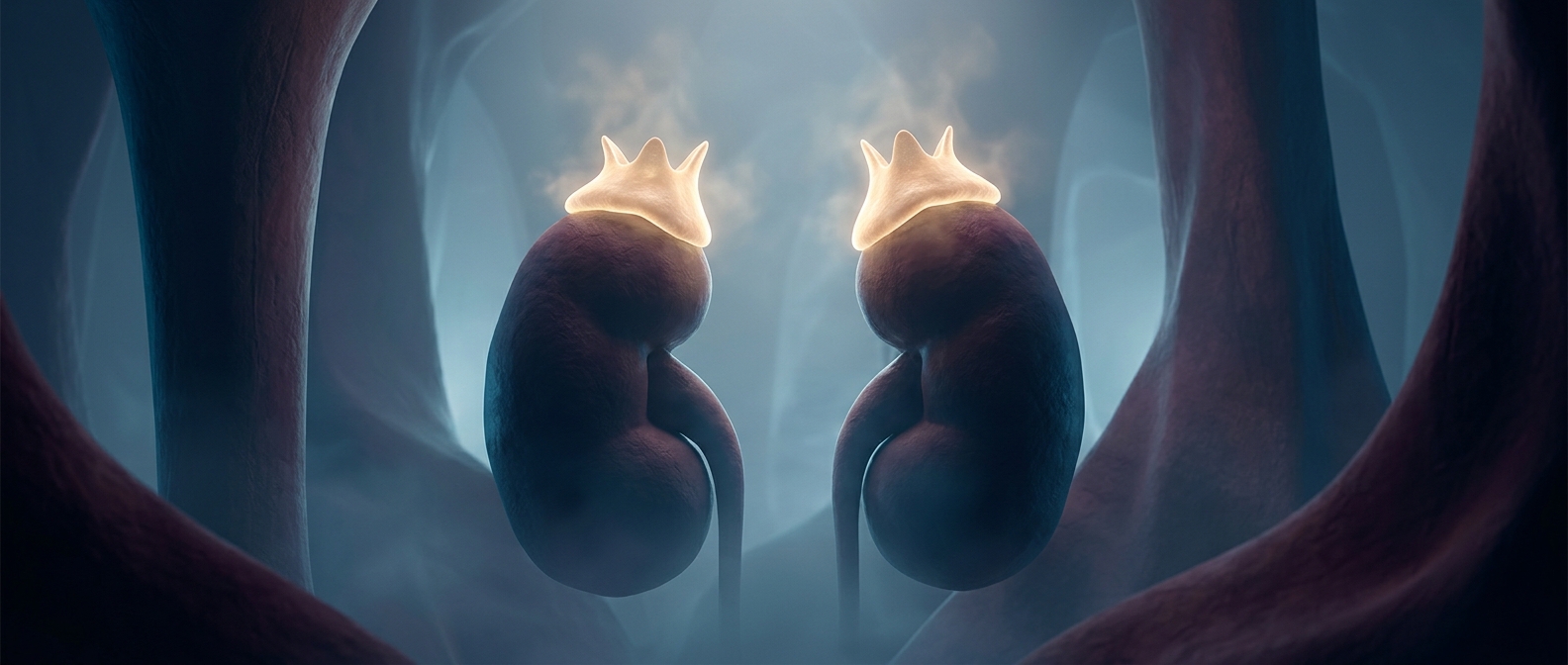
Some artificial dyes are water-soluble, meaning they can dissolve in body fluids. After a large amount is swallowed, some dye—or colored products formed as the body processes it—may enter the bloodstream and later be filtered out by the kidneys. It then leaves the body in urine. The color change is most noticeable when enough pigment reaches the urine to tint it.
Why the result can look green
Urine usually has a yellow tint, largely from waste products the body naturally removes. If a blue dye is present, its color can combine visually with that yellow background and appear green. The kidneys do not have to make a green pigment: the apparent green can come from two colors overlapping.
The exact shade depends on how much dye is absorbed and excreted, how it is processed, and how concentrated the urine is. So a striking color can arise from a straightforward chain: swallowed pigment, passage into the blood, filtering by the kidneys, and color mixing in the urine.