Why a tan comes with a cost
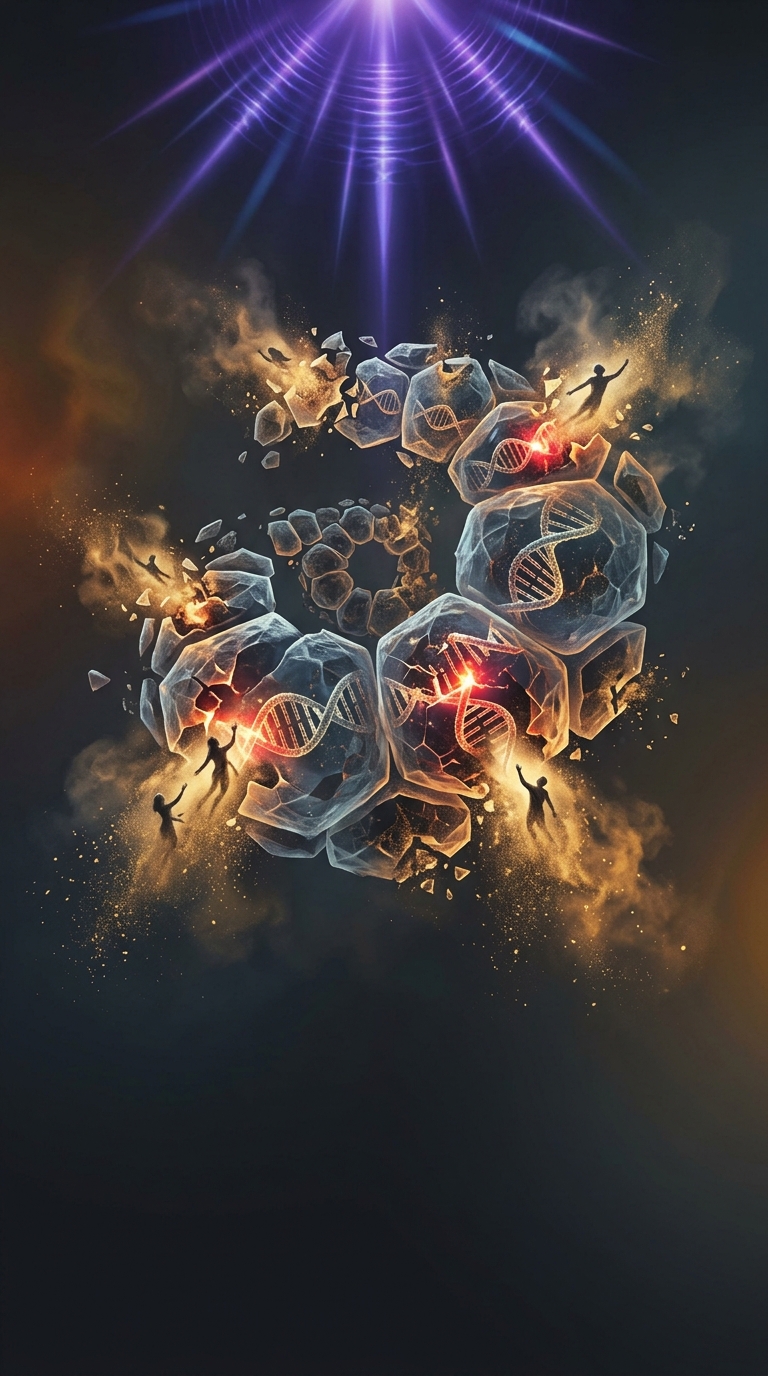
Ultraviolet (UV) light does not simply stain the skin. It reaches living cells and can damage their DNA. In response, pigment-making cells produce more melanin, which absorbs some UV energy and gives skin a darker appearance. That response offers limited protection; it does not undo damage already done or make continued exposure harmless.
What makes sunburn red and painful
When UV injury is substantial, the body mounts an inflammatory response. Chemical signals prompt nearby blood vessels to widen, bringing more blood to the area. The increased blood flow makes the skin look red, while inflammation sensitizes nerve endings, making it tender or painful. The redness is therefore part of the body’s response to injury, not a separate layer of color laid over the skin.
The visible change is only part of the story
A tan can develop without the dramatic redness of a sunburn, but both follow UV exposure, and both can involve cellular damage. Melanin helps reduce some of the harm; it is not a shield that makes tanning safe. With repeated exposure, damaged cells may also age prematurely, and damage to their DNA can contribute to skin cancer.
That is why a summer tan is not a reliable sign that skin has adapted safely. The darker color reflects a protective response to UV—not proof that the exposure caused no harm.