Why radium stayed in the body
Radium is chemically similar to calcium, so the body can mistake it for a mineral needed to build bone. After Byers swallowed Radithor, some of its radium settled in his skeleton instead of simply passing through. There, the radioactive atoms kept releasing energy into nearby tissue. This was not a one-time injury: as the body continually remodeled bone, radiation damaged the living cells that maintain it, while new doses added to the burden.
That helps explain why the harm was so extensive. Radiation inside the body can injure bone and bone marrow—the tissue that makes blood cells—over a long period. By the time severe symptoms appeared, the source was embedded in the very structure the body could not readily shed.
A cure-all with little real oversight
Radithor belonged to a world of patent medicines: products sold with health claims before modern drug review required manufacturers to establish safety and effectiveness. The word “radioactive” could even be presented as a mark of vitality, giving a dangerous ingredient the aura of cutting-edge science. But a claim that a tonic could restore energy did not reveal what repeated exposure would do inside the body.
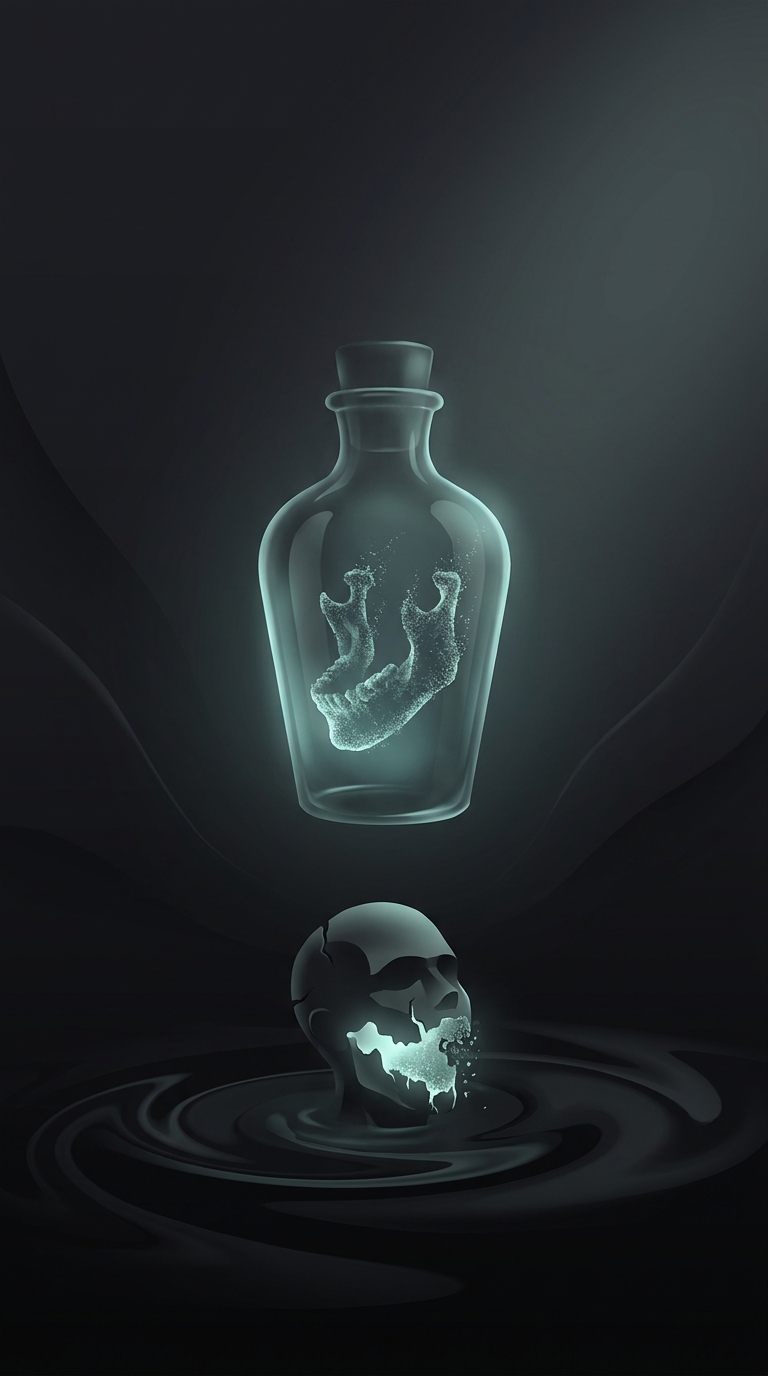
Byers’s case helped make that hidden cost visible. His bones deteriorated, and surgeons removed much of his lower jaw; he died in 1932. The warning was not simply that swallowing a radioactive substance is dangerous. It was that a substance can keep harming the body after the bottle is empty, especially when it is mistaken for something the body needs. Radium’s resemblance to calcium turned a supposed tonic into a persistent source of radiation lodged in bone.