Why a rider can look like a single creature
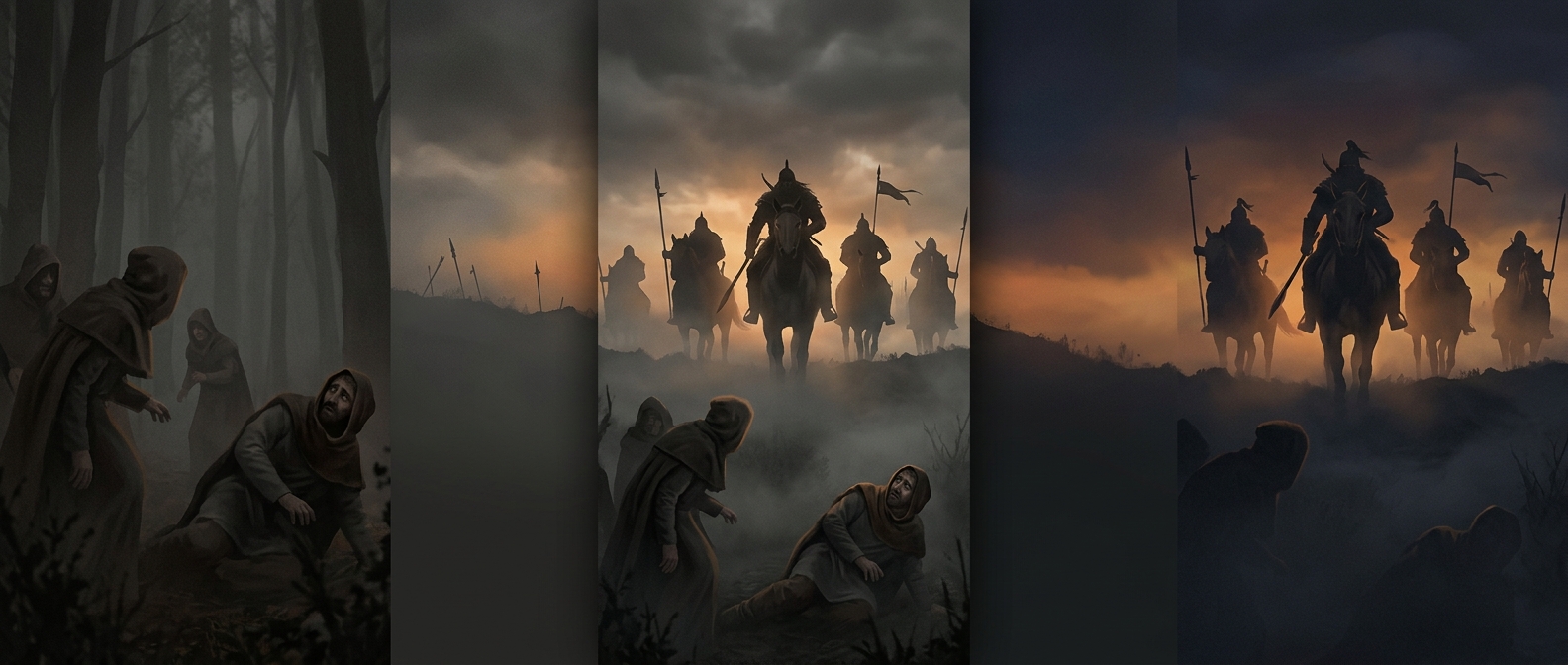
A person on horseback does not simply sit above an animal’s back: the rider’s thighs and lower legs fall along the horse’s sides, while the horse’s body hides much of the rider’s lower half from a distant or side-on view. What remains visible is a human torso and head rising directly from a four-legged body. At a glance, the eye can read those parts as one being rather than as two overlapping figures.
Distance makes the illusion stronger. Small details—such as the rider’s saddle, clothing, or feet—may disappear, while the horse’s movement and the rider’s steady posture seem coordinated. To someone unfamiliar with riding, that joined silhouette could look less like a person using an animal for transport and more like an unfamiliar kind of animal.
A visual clue, not a proven origin story
That resemblance offers a memorable way to understand how the centaur image could have taken hold: a real, striking sight translated into a creature that combines human and horse. But a plausible visual spark is not the same as a documented account of how a myth began. The image may help explain why the hybrid feels immediately legible, without establishing that one encounter—or even horseback riding alone—created the tradition.
The clever part is how little the illusion requires. From the right angle, an ordinary rider’s hidden legs do the imaginative work: the human seems to grow out of the horse, and transportation briefly becomes a monster.