Why the Original Finale Felt Abrupt
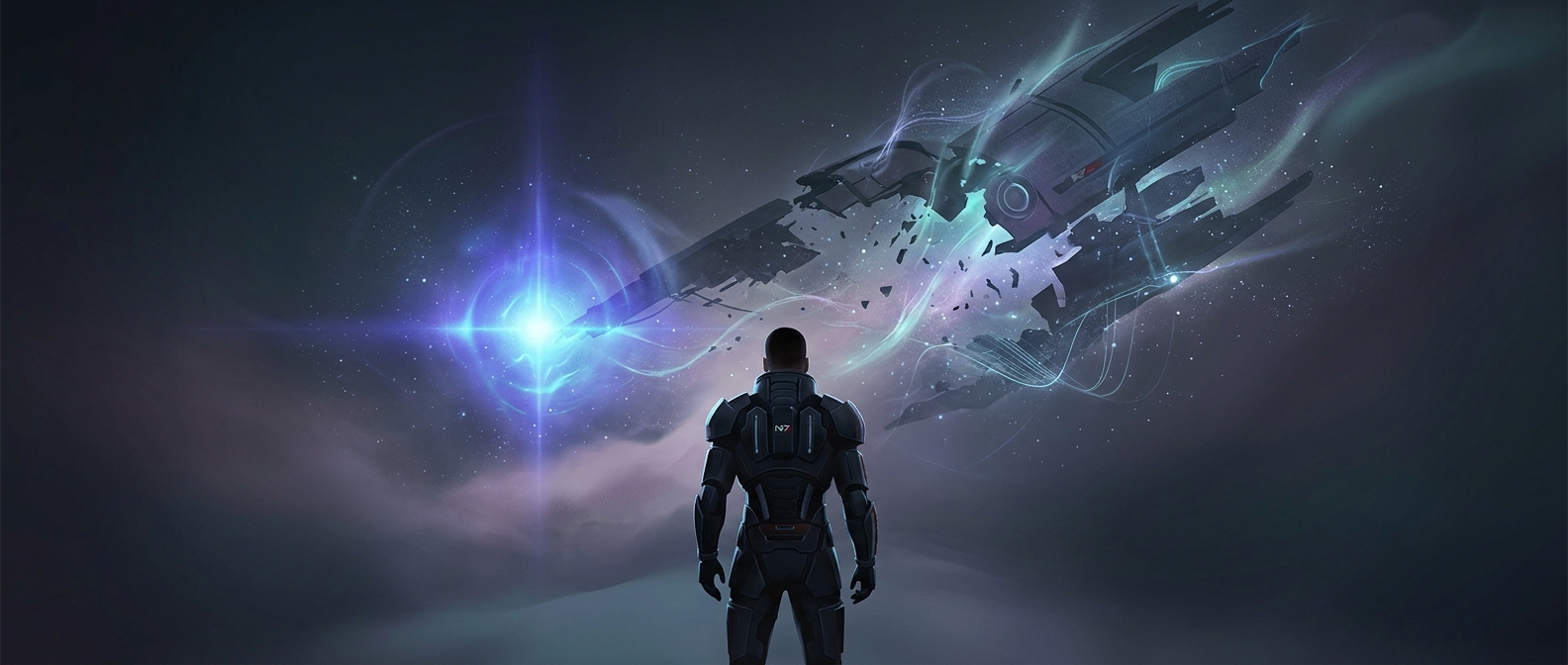
In Mass Effect 3, players’ decisions across the trilogy lead to a final choice meant to resolve the war against the Reapers, a civilization-threatening machine force. But the first version of the ending moved quickly from that choice to its final images. Many players felt the story offered too little explanation of what had happened to familiar characters, their fleets, and the societies left behind.
That reaction was especially sharp because the trilogy had trained players to treat earlier choices as consequential. The finale seemed to compress those consequences into a few brief scenes, leaving a gap between the scale of the decisions and what the game showed afterward.
The Update Added the Missing Aftermath
BioWare’s free Extended Cut did not replace the finale with a wholly different story. It added scenes and explanatory narration to the existing endings, making the consequences of the player’s choice easier to follow. The update also showed more of what happened to the people and forces caught up in the conflict, using short epilogue sequences to connect the final decision to the wider galaxy.
That distinction mattered: the developers were not simply adding another battle or a new branch of the plot. They were giving the original ending more room to communicate cause and effect. The controversy turned an ending into a second piece of storytelling: one that clarified how a galaxy-wide choice could shape the lives and worlds beyond the final scene.