Why Cross-Cut Shredders Cost More to Build
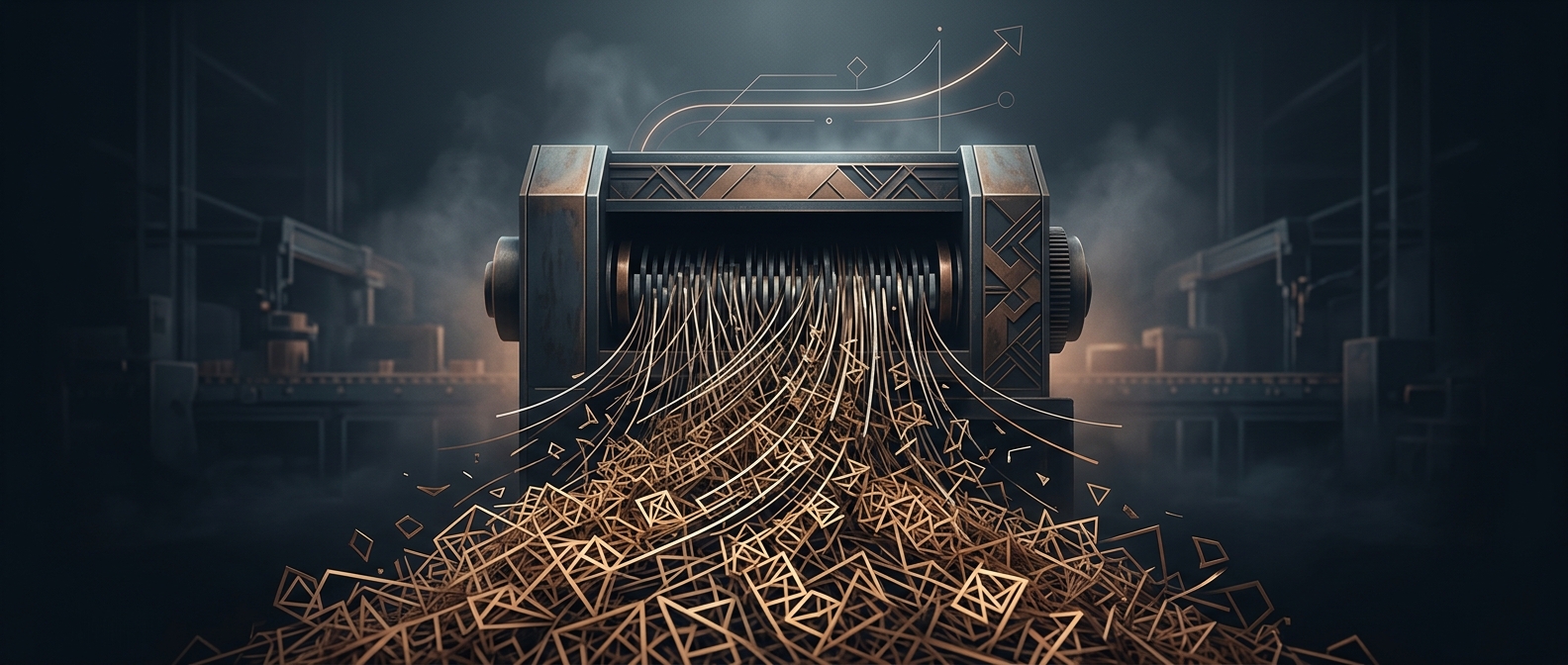
A strip-cut shredder can make a sheet into ribbons with one cutting action: rotating blades slice along the paper’s direction of travel. A cross-cut machine has to make a second kind of cut as the paper moves through, breaking those ribbons into short pieces. Its cutters must work together closely enough to avoid colliding, jamming, or leaving long strips intact.
That changes the machine from a relatively simple cutting assembly into a more demanding one. The extra blades need shafts, supports, and drive components, and the cutter parts must be made and positioned with care. More components also mean more places where friction, wear, or misalignment can interfere with feeding paper. Those design and assembly demands add to the price before the shredder is ever used.
The Cost Buys Smaller Pieces
The tradeoff is what comes out of the machine. Long strips are easy to recognize and may be pieced back together; smaller cross-cut pieces make that task harder. Buyers who need that added difficulty are paying for more than blades: they are paying for a more involved cutting mechanism and its tighter coordination.
In a low-cost shredder, a simpler cutter can be the sensible choice. Where smaller remnants matter, the added machinery has a practical purpose—but it is the reason cross-cut models generally cost more.